

Songs popular among men in their 40s. Timeless classics that bring back memories.


As a man in your 40s, what kind of music do you usually listen to?
Of course, you probably hear a lot of the latest hits, but chances are you still love the songs that were with you during your youth.
In fact, when it comes to songs popular among men in their 40s today, many of them are tracks that made waves around the 1990s.
In this article, we’ll introduce a generous selection of Japanese songs—focusing on hits from that era—that are especially recommended for men in their 40s.
They’re full of classics perfect for karaoke or for listening to in the car, so definitely give them a listen.
They might just bring back memories from those days.
- [2026 Edition] Youth Anthems for Your 40s! A Roundup of Popular Heart-Pounding × Heartwarming Songs
- [For men in their 40s] That nostalgic song you can enjoy at karaoke!
- [For Women] Attractive Songs That Appeal to Men in Their 40s
- Karaoke songs for men in their 40s: a curated selection of hit tracks women want to hear!
- Uplifting songs recommended for men in their 40s
- [For Men in Their 40s] Easy-to-Sing Karaoke Songs and Guaranteed Crowd-Pleasers
- [40s] Karaoke Crowd-Pleasers Ranking [2026]
- Recommended love songs for men in their 40s: classic and popular Japanese tracks.
- [40s] Popular Songs Ranking by Generation [2026]
- Ranking of Popular Japanese Music and J-POP Artists Among People in Their 40s [2026]
- [For People in Their 40s] Karaoke Songs That Are Easy to Sing: 2026 Ranking
- Tear-jerking songs recommended for women in their 40s: classic and popular Japanese tracks
- Nostalgic Songs Perfect as Driving BGM for People in Their 40s
Popular songs among men in their 40s: Classic tracks that bring back memories (41–50)
single bedSha ran Q

This is a poignant ballad by Sharam Q, the band fronted by Tsunku, who is also known as a producer for idol groups like Morning Musume and Melon Kinenbi.
Released in 1994, it sparked a boom.
Although it peaked at No.
9 on the Oricon charts at the time, it became a long-running hit and Sharam Q’s first million-selling single.
It’s a breakup ballad that sings about being unable to forget a former lover.
The dramatic chorus melody is so catchy that once you hear it, you won’t forget it.
BoyhoodInoue Yosui

An unquestionably classic masterpiece.
Am I the only one who feels that, in the history of Japanese pop music, it exists almost like a work of pure literature? It’s easy for anyone to sing, simple yet very sincere, with a melody that will keep shining forever.
It even carries a certain elegance.
I can’t stay a daydreaming girlAikawa Nanase

This is Nanase Aikawa’s debut single, “Yume Miru Shoujo Ja Irarenai,” released in 1995.
It was used as the ending theme for the Fuji TV drama V no Honoo.
Her powerful, dynamic vocals are really cool, and she’s an artist respected by men as well.
At all times.Makihara Noriyuki

A song released by Noriyuki Makihara in 1991 as his third single.
With its familiar, catchy melody, it became his biggest hit and helped make his name known nationwide.
Even long after its release, it has continued to enjoy lasting popularity, being featured in many companies’ commercials.
Surely more than anyone else in the worldNagayama Miho & WANDS

This song was released in 1992 as a collaboration single between Miho Nakayama and the rock band WANDS.
During the planning stage it was a ballad, but a suggestion to give it more of a Christmas party vibe led to its current style.
It’s a masterpiece in which Miho Nakayama’s vocals and WANDS’ vocalist Show Uesugi’s voice blend beautifully.
Eternal, unchanging loveOda Tetsurō

As a hitmaker who defined the 1990s, Tetsuro Oda was hugely active in the J-POP scene as a singer, composer, and producer, and this is his biggest solo hit.
Its refreshing sound has a uniquely appealing quality.
No matter how many times you listen, it never fades or gets old.
Many of you probably remember it well.
Several artists, including Kobukuro, Ryuichi Kawamura, and Ms.OOJA, have covered it.
Released in March 1992, it was tied in as the theme for Otsuka Pharmaceutical’s Pocari Sweat commercial and became a major hit, even reaching No.
1 on the Oricon charts.
I should be able to fly (in the sky).supittsu
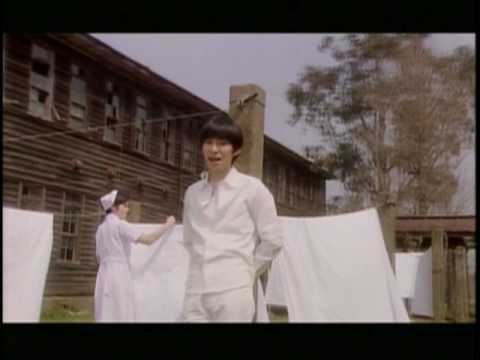
This is Spitz’s eighth single, released in 1994.
It’s a song that has raced through the ages and has now become a karaoke staple.
Why not give it a try at a party or mixer? The overall tone is very gentle, and it evokes a nostalgic feeling.
