

[All-Time] A Collection of Masterpieces in Video Game Music [Up to the Latest Tracks]

If you’re really into a game, chances are you love it together with its music, right?
In this article, I’d like to introduce some classic gems of video game music.
When you spend a long time playing, the BGM naturally sticks in your ears.
Even if you only played it once as a kid, you might still find yourself humming it as an adult.
Follow the tracks collected here and you might rekindle memories you’d forgotten.
It also makes a great playlist for getting work done!
- [2026] Many classic tracks! A compilation of nostalgic Japanese video game music
- [Epic] A Collection of Game Music to Enjoy with an Orchestral Sound
- [Game Battle Music Compilation] Burning Fighting Spirit! Recommended Battle BGMs
- [Dragon Quest BGM] Iconic and popular tracks from the Dragon Quest series
- [Game Music] UNDERTALE’s masterpiece. A BGM that leaves a mark on the heart.
- [Kirby BGM] Iconic and Popular Tracks from the Kirby Series
- Recommended video game music: compelling masterpieces and popular tracks you’ll want to listen to.
- Masterpieces from the Persona series. Recommended video game music.
- A collection of video game music I want to perform in a wind ensemble
- BGM from the Pokémon series through the ages: A compilation of legendary tracks
- [Game Music] Splatoon BGM and Popular Songs Compilation
- Cheer songs from Power Pro and popular BGM: a collection of divine tracks
- [Animal Crossing BGM] Iconic and Popular Tracks from Animal Crossing
[All-Time] A Compilation of Great Video Game Music [Up to the Newest Tracks] (21–30)
Umapyoi LegendUma Musume Puritī Dābī

Uma Musume Pretty Derby is a popular mobile game that combines horse racing with rhythm gaming.
It sparked a massive boom that even drew in people who don’t usually play games.
Its story is based on real events from horse racing history, featuring cute anthropomorphized girls who shine in both races and live performances.
The series has many hit songs, but one of the most popular is Umapyoi Densetsu.
It’s inspired countless fan creations, including dance and cover videos.
In the game, you can form your favorite unit and have them perform this song! Be sure to create your own dream unit!
Dr.WILY STAGE 1Tateishi Takashi

When it comes to legendary chiptune born from the constraints of the Famicom, many people probably think of the Wily Stage BGM included in Mega Man 2: Dr.
Wily’s Revenge.
Composer Takashi Tateishi, who worked on the game’s sound and released it in December 1988, crafted a superb track under strict audio limitations: a lead phrase that blends cool precision with soaring excitement, a surging bassline, and a rhythm brimming with speed—all combining to heighten the player’s sense of anticipation to the fullest.
This piece, which brilliantly captures the tension and sense of achievement of storming the final boss’s fortress, has earned high praise, even ranking near the top in best-of lists by overseas media.
Many players likely had the melody seared into their minds after repeatedly hitting game over on the notoriously difficult stage.
It’s a must-listen for anyone looking to rediscover the charm of retro games.
One-Winged AngelUematsu Nobuo
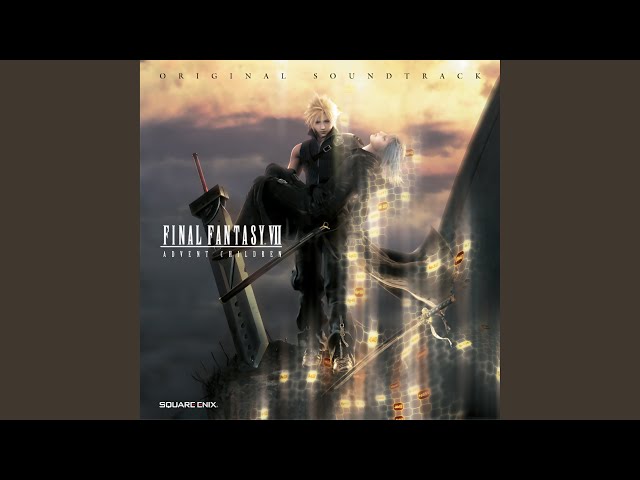
This is a grand piece by Nobuo Uematsu that colors the final battle of Final Fantasy VII, released in 1997.
Its sound—woven from full orchestra and Latin chorus—was an unprecedentedly bold experiment for game music at the time.
Influenced by Igor Stravinsky’s The Rite of Spring and Jimi Hendrix, the piece creates a unique tension through a fusion of ominous chords and rock-like riffs.
The Latin lyrics, echoing Carl Orff’s Carmina Burana, accentuate the last boss’s presence as both divine and terrifying.
In addition to appearing on the album FINAL FANTASY VII Original Soundtrack, it was reimagined with a heavier arrangement for the CGI film FINAL FANTASY VII ADVENT CHILDREN.
It has also found love beyond the series, appearing in Super Smash Bros.
Ultimate.
A must-listen for anyone who enjoys epic orchestral works.
Dreams and hopeToby Fox

This is battle music that draws you in with powerful arrangement and dramatic development.
It’s a track from the American indie game UNDERTALE, released in September 2015.
In the game, it’s used during the climactic scene of the “True Pacifist Route,” in the final boss battle.
Its appeal lies in a bold sound that fuses various genres such as chiptune, orchestral, and techno.
It was also included as downloadable content for the action game Taiko no Tatsujin: Drum ‘n’ Fun! on Nintendo Switch, and is loved by a wide range of game fans.
It’s a recommended song for when you want to fire yourself up or need the courage to face a challenge.
Glimmers of Lovesugiyama kouichi

If you’ve played Dragon Quest XI: Echoes of an Elusive Age, this is a track that will set your heart ablaze.
It’s a masterpiece brimming with the warmth of sun-dappled light, beginning with delicate harp tones before the melody is passed to alto flute, oboe, and then strings—like listening to the story of life itself.
Heard during the moving scenes depicting the World Tree of Life and the bond between the sisters Veronica and Serena, it left a deep impression on many players.
It’s perfect for immersing yourself while reminiscing about the game’s most emotional moments, and just as lovely as music to soothe your daily fatigue.
Final Battle (vs. Rival)Poketto Monsutā

This is the background music that plays during the final boss battle in the original Pokémon series—Red, Green, Blue, and Yellow.
The chiptune sound from the Game Boy is nostalgic, and many people probably remember how absorbed they were in playing back then.
Arranged versions of this track have been used not only in Pokémon game titles like FireRed and LeafGreen, the remakes of Red and Green, but also in the anime.
The driving melody that ramps up the player’s tension is still thrilling to hear even now.

To the wide worldsugiyama kouichi

The background music that plays when you walk across the vast, fully explorable 360-degree field in Dragon Quest VIII: Journey of the Cursed King is one of the most beloved tracks in the series.
Its quietly opening melody evokes the hero’s very first step into an unknown world.
From there, the layers of sound gradually build, giving you the sensation that the endless horizon and grand scenery are unfolding before your eyes.
Even without lyrics, it conveys a clear sense of anticipation for the adventure to come.
Koichi Sugiyama himself reportedly called it “one of my best works,” which further speaks to the game’s high level of polish.