

Songs with titles that start with “ge”

How many songs can you instantly recall when asked for tracks whose titles start with “ge” (げ)?
In word games like shiritori, things suddenly get tricky when voiced consonants become the theme, don’t they?
この記事では、タイトルが「ge(げ)」で始まる楽曲を紹介します。
You might think you can’t come up with many, but once you look, you’ll find plenty you know and go, “Oh right, that one too!”
Why not use this for song-title shiritori and other word games?
- Compilation of Vocaloid songs with titles starting with 'Ge'
- Songs with titles that start with 'Ke'
- Songs with titles that start with 'gi'
- Songs with titles that start with “Gu.” Great for your karaoke selection!
- Songs with titles starting with “E” [Great for karaoke and shiritori, too!]
- A roundup of Vocaloid songs with titles that start with “Ke”
- Useful for song-title shiritori! Songs with titles that start with “ga”
- Summary of Vocaloid songs with titles that start with “Ga” (が)
- Songs with titles that start with “Go”
- A Compilation of Vocaloid Songs Whose Titles Start with “Gi”
- Collection of Vocaloid songs with titles starting with “Go”
- Vocaloid songs that start with “Gu.” Packed with lots of popular tracks!
- A roundup of Japanese songs whose titles start with “ji,” from buzzworthy tracks to popular hits.
Songs with titles starting with “Ge” (1–10)
frank confessionNEW!REOL

This track shakes listeners to the core with its overwhelming energy and razor-sharp sound.
Featured on the October 2018 album “Jijitsujō,” it serves as the lead song and a symbol for the entire record.
Amid its cold, inorganic electronic sound, it stands out as an uptempo banger bursting with heat and emotional impact.
The lyrics revolve around the theme of codependency, drawing you in with raw emotions that lie beneath its pop sensibility.
It’s perfect for times when you want to fully unleash your feelings or boost your mood with a fast-paced rhythm.
The live performances are electrifying as well, so be sure to check out the footage!
moonlightOnitsuka Chihiro

Onitsuka’s biggest hit.
Chosen as the theme song for the drama “TRICK,” it became a long-running success with its tense piano and strings and lyrics about liberation from oppression.
An eternal classic, its music video surpassed 100 million views in 2025.
When you actually listen, there are some falsetto elements in the first half, but it builds toward the end, so singing it in chest voice would still land powerfully.
Sing carefully, but hold the sustained notes where needed to create strong dynamics!

Moonlight FlowerJanne Da Arc

Janne Da Arc is a band that still enjoys enduring popularity in the visual rock scene.
This piece is also well-known as an anime theme song, serving as a theme for the anime Black Jack.
The vocal range is somewhat wide at mid1F# to hiA, but the hiA always appears after a clear break point, allowing you to tackle the high notes well-prepared.
Not only do the high phrases continue, but there’s also a key change toward the end, so the trick to singing it well is not to set the key too high from the start.
Please use this as a reference.

Songs with titles starting with “Ge” (11–20)
speech thereuponjo0ji

This warm track was written with a close friend in mind—someone kind and therefore easily hurt.
Produced by jo0ji, it’s an irresistible piece with a country-tinged, upbeat rhythm and a friendly vocal that sticks in your ears.
Released in September 2023, it appears as the second track on the acclaimed album “475.” Drawing on the country influences he himself enjoyed listening to, the song overflows with a festive feel that gets audiences naturally swaying at live shows.
Gently standing beside those who, though clumsy, strive to live each day earnestly, this work is perfect for moments when you want to face forward while carrying the fragility of everyday life.
It’s a highly recommended number for anyone whose kindness has worn their heart thin, or who simply wants to spend a calm, peaceful moment.
Cheer up!Takeuchi Mariya

A warm signature number by Mariya Takeuchi that has gently accompanied many hearts.
Originally written for Hiroko Yakushimaru, it was self-covered on the classic album “REQUEST,” released in August 1987, and then issued as a single in November 1988.
In 2021, it was also featured in a commercial starring Yui Aragaki, continuing to be loved across generations.
Rather than forcing a strained positivity on those experiencing heartbreak or loss, its gentle message quietly stays close and encourages healing, resonating deeply.
When you reach a turning point in life or find your heart a little weary, please take your time and listen—this song feels like a protective charm that softly gives you a push forward.
Current destructionSRYAIR
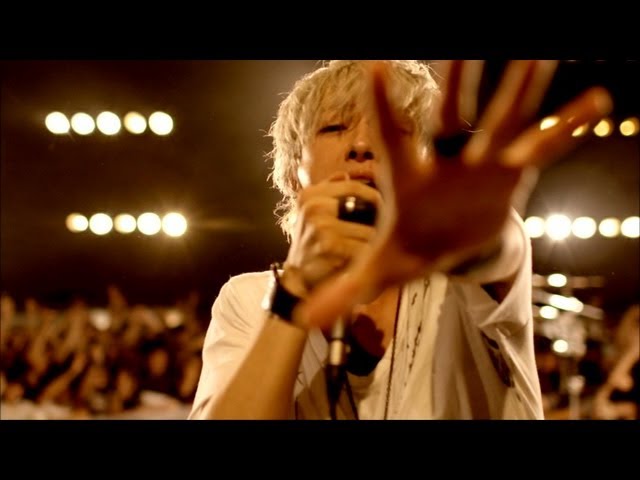
This is a signature track by SPYAIR, a band from Aichi Prefecture known for their powerful, fast-paced, and hard-hitting sound.
The lyrics, infused with a strong will to break through the status quo and move forward, match perfectly with the fiercely driving band ensemble, making your energy rise naturally just by listening.
Released as a single in July 2013, the song was created as the theme for the smash-hit anime film Gintama: The Movie: The Final Chapter: Be Forever Yorozuya.
Its peak position of No.
6 on the Oricon charts speaks to its popularity.
It’s a killer tune recommended for when you want to break out of everyday stagnation or get hyped on a drive with friends.
Get Myself BackAmuro Namie

A summer mid-tempo track set in Okinawa, carrying an uplifting message about reclaiming your true self.
It features the freshness of summer and a pleasant melody, with strikingly positive lyrics about self-reflection and regaining strength.
The overall vocal range is G3–C5, and since it isn’t up-tempo, you should be able to sing each phrase carefully and calmly.
For the low notes in the A section, avoid singing from the throat; lift your eyebrows and facial muscles from the start.
As the chorus moves into higher notes, try projecting your voice forward from the temples so you can maintain the same range.
You’ll likely sing it steadily that way.