

[Ghibli] Popular BGM. Enjoy the world of Ghibli through music!

Studio Ghibli has many popular works, such as My Neighbor Totoro, Castle in the Sky, and Spirited Away.
And just as popular as the films themselves is the background music that plays throughout them! Ghibli’s music is famously composed by Joe Hisaishi, and every piece is truly wonderful.
Many of the tracks are so memorable that some people can tell exactly which scene from which film it is just by hearing the BGM.
In this article, we’ll introduce a selection of Ghibli’s most beloved BGMs all at once! Please enjoy the world of Ghibli.
- Immersive Ghibli Classics! Recommended BGM for Work and Study
- [Ghibli’s Famous Songs Medley] The soothing world of Studio Ghibli that resonates with the heart
- Ranking of Popular Ghibli Songs [2026]
- Songs of Studio Ghibli: List of Theme Songs, Insert Songs, and BGM from Ghibli Music
- [Ghibli × Wedding] Carefully Selected Ghibli Masterpieces to Brighten Your Wedding Ceremony and Reception
- [Ghibli] Timeless Ghibli Classics in Classical Arrangements: The charm of Ghibli music performed with live instruments
- [Disney] Popular BGM: Enjoy Disney through music!
- Singable Ghibli Classics: A selection of beloved hits cherished by people of all ages
- [Animal Crossing BGM] Iconic and Popular Tracks from Animal Crossing
- [Disney BGM] Just listening will boost your mood! A collection of Disney classics
- [Karaoke] Sing! A Collection of Ghibli Classics
- Songs from Kiki's Delivery Service. Anime theme and insert songs. Ghibli classics.
- [Japanese-style BGM] Beautiful tones woven from Japanese tradition
[Ghibli] Popular BGM. Enjoy the world of Ghibli through music! (21–30)
I stopped being alone.Yano Akiko
The theme from “My Neighbors the Yamadas” is performed here in a lovely piano arrangement.
I’ve previously introduced an orchestral version, but when this gentle depiction of everyday life is rendered on piano, it becomes even more immersive, like being drawn into a world of memories.
Everyday life is something everyone has, and it’s unique to each person—not measured by anyone else’s standards.
Yet when the everyday life that must have been mine is shown as images, a quiet feeling of “this is somehow nice” arises.
This piano version touches many people’s heartstrings and will surely brighten the listeners’ everyday lives.

Haru’s MemoriesYuji Nomi
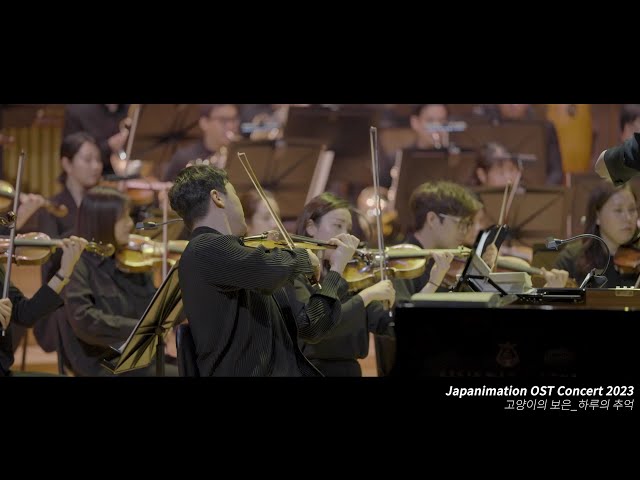
From the film The Cat Returns, this is “Haru’s Memories.” The Cat Returns is framed as a story written by Shizuku Tsukishima from Whisper of the Heart, and the tale begins when the heroine, Haru, saves a cat that is about to have an accident.
Both The Cat Returns and Whisper of the Heart were scored by Yuji Nomi, whose works are known for their gentle warmth.
In the film, the Tokyo Philharmonic Orchestra—familiar from game and anime music concerts—performs the score, and on the soundtrack a bonus track features the Czech Philharmonic Orchestra, resulting in a work of high caliber even as a listening experience.
In the video, a Korean orchestra performs it in concert, showing its popularity abroad as well.
The flute, harp, and tender strings are truly soothing.
My Neighbors the Yamadas Theme – Orchestral VersionYano Akiko

“The Theme of My Neighbors the Yamadas” has been transformed into a grand orchestral performance through wonderful orchestration.
The original song, “I Won’t Be Alone Anymore,” was written, composed, and sung by Akiko Yano, depicting everyday warmth with a pop sound.
In the orchestral version, the refreshing feel remains intact while the texture of live performance comes through directly.
A trumpet solo and mellow strings join as backing, highlighting the strengths of the orchestra.
The live-performance version of “I Won’t Be Alone Anymore” is great too! The performance is by the Czech Philharmonic Orchestra and is included on the album “Czech Phil Plays Studio Ghibli Symphonic Collection.”
Ask me why (A Mother’s Thoughts)Hisaishi Joe

This is the theme song from Studio Ghibli’s feature-length animated film, The Boy and the Heron, which can be considered the culmination of director Hayao Miyazaki’s work.
It is played only three times in important scenes from the opening to the late part of the film, performed tenderly on solo piano without any arrangements or variations for other instruments, making it clear how much the composer, Joe Hisaishi, cherishes this piece.
Dragon BoyHisaishi Joe

This is “The Dragon Boy” from Studio Ghibli’s hugely famous film Spirited Away.
The “dragon” in “The Dragon Boy” refers to Haku, and the piece is used in the scene where Haku and Chihiro meet and then leave the bathhouse.
In the film, the New Japan Philharmonic Orchestra performs it: after a mysterious timbre created by layered harp and piano, the horn carries a flowing line, and the woodwinds stack in parallel fourths to evoke a traditional Japanese atmosphere.
This performance is a longer version than the one in the movie, making “The Dragon Boy” even more powerful.
Path of the WindHisaishi Joe
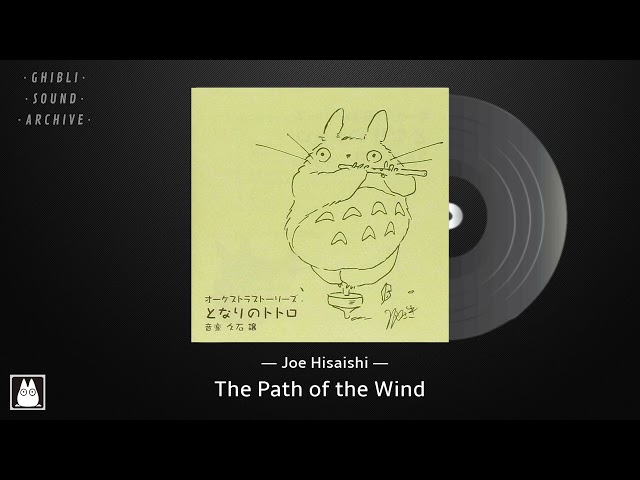
The indispensable classic “The Path of the Wind” from Studio Ghibli’s beloved masterpiece My Neighbor Totoro is performed here by an orchestra.
This piece is included in “Orchestra Stories: My Neighbor Totoro,” in which composer Joe Hisaishi restructured music from My Neighbor Totoro to be enjoyed with narration.
While the original track featured an electronic sound influenced by the minimalism that inspired Hisaishi at the time, this version becomes a grand orchestral arrangement that brings out the beauty of live instruments.
strollHisaishi Joe
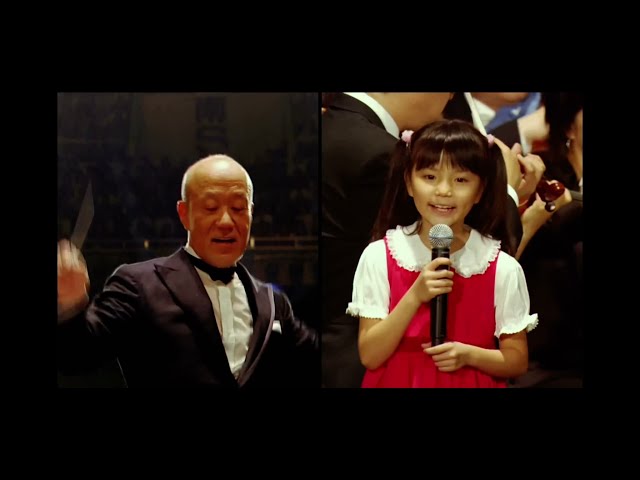
Azumi Inoue’s “Sanpo,” the signature song from Studio Ghibli’s emblematic film My Neighbor Totoro, is performed here with orchestra and chorus.
The footage is from “Joe Hisaishi in Budokan: 25 Years with the Animations of Hayao Miyazaki,” featuring numerous Ghibli masterpieces arranged and conducted by Joe Hisaishi himself.
The live texture of the orchestra is truly wonderful.
This piece was previously arranged for “Orchestra Stories: My Neighbor Totoro,” which includes a narrated performance—highly recommended as well.
Like an instrument introduction, it features sections where only the woodwinds or only the brass play, as well as sections for strings and percussion, plus solo passages, making it an arrangement that showcases the orchestra’s appeal.
It’s also recommended as an introductory piece for those new to orchestral music.