

A beautifully mad world: Amazing lyrics! Spitz’s masterpiece — the Masamune Kusano world

Speaking of Spitz, their refreshing melodies are wonderful, and above all, the depth and occasional obscurity of their lyrics are a major part of their appeal, aren’t they?
Masamune Kusano, the vocalist, writes most of the lyrics, and I imagine many people get captivated by the world he creates and find themselves drawn in deeper and deeper.
Their music is also beloved by many musicians, such as Aimyon and Enon Kawatani.
It’s full of uncommon turns of phrase and striking, eye-opening lines.
In this article, we spotlight Spitz songs with truly remarkable lyrics.
Be sure to take your time listening while unraveling the words.
- Spitz Popular Songs Ranking [2026]
- [Songs with Great Lyrics] Masterpieces you’ll want to listen to while savoring the words that resonate with your heart
- Masterpieces by Spitz: A list of recommended popular songs and signature tracks
- Spitz Graduation Songs, Entrance Ceremony Songs, and Popular Song Rankings [2026]
- A cover of Spitz’s classic song “Haru no Uta” (“Spring Song”)
- A classic song covered by major artists: cover versions of Spitz’s “Kaede.”
- The lyrics are profoundly good. The more you listen, the more it sinks in. Masterpieces of Japanese music, recommended popular songs.
- Spitz Unrequited Love Songs: Popular Songs Ranking [2026]
- A band that plays menhera songs; their appeal lies in lyrics that seep into weary hearts.
- Spitz songs that are easy to sing at karaoke and popular tracks
- Spitz Support Songs and Popular Song Rankings [2026]
- A masterpiece that sings of wonder. Recommended popular songs.
- Iconic and Popular Songs by THE YELLOW MONKEY (Iemon)
[A beautifully mad worldview] Incredible lyrics! Spitz’s masterpieces: The Masamune Kusano world (1–10)
Beyond the purple nightsupittsu

Spitz, the rock band, released “Murasaki no Yoru wo Koete” as their 44th single, coinciding with the 30th anniversary of their major-label debut.
It was selected as the ending theme for TBS’s news program news23.
The track draws you in with a sound that opens on an ambient note.
Its lyrics evoke a moody nighttime cityscape, feeling fantastical and rich in color.
Perhaps the themes of his lyrics are the hope and despair hidden in the small moments of everyday life.
Once you step into their one-of-a-kind world, you’ll be captivated for good.

prophetic dreamsupittsu

The 29th single, chosen as the theme song for the drama “Medaka.” Released by the rock band Spitz in 2004, it’s a song that has been loved for many years.
Its melodious acoustic sound and strings really resonate with the heart.
In contrast to its grand sound, the lyric—like a short story depicting everyday life—is also captivating.
It delicately captures sentimental emotions, tightening your chest with a sweet ache.
Pay attention as well to the arrangement that evokes ’90s UK rock.
It’s a song that makes you feel like you can take a small step forward while holding onto expectations for a dreamlike reality.
Nagisasupittsu

“Nagisa,” included on Indigo Horizon released in 1996.
The synth’s sequenced sound is striking and evokes images of the seaside and sandy beaches.
The lyrics, which hold firm feelings within a hazy landscape, are memorable.
The chorus blends personal emotion with scenery, and will leave different impressions on different listeners.
Rather than explaining everything in words, their worldview sparks the imagination—artful and refined.
Savor the deep allure where the boundary between illusion and reality gently blurs.
[A Beautifully Mad Worldview] Lyrics That Amaze! Spitz’s Masterpieces: The Masamune Kusano World (11–20)
Cold Cheekssupittsu

This is a single released in 1998.
It’s also rumored that the title refers to the cold cheek of a girlfriend who has died.
Others speculate it’s a song about a stalker—there are all kinds of theories, and interpretations vary widely from person to person.
They all give a chilling impression, but how do you interpret it?
Maplesupittsu

It’s a beautiful ballad that represents Spitz.
As the opening of the chorus suggests, it’s likely a breakup song.
Through various expressions, it portrays the mismatch between “me” and “you.” Even though the two of them were supposed to be looking into the same hole, what they saw was different: “I” could see a future where we stayed together, but “you” saw something else.
It’s truly a heartbreaking masterpiece.
New Moonsupittsu

This is a song included on the album “Togemaru.” There’s a well-known rumor that Spitz associates round things with “death,” and if you connect that idea to this song’s interpretation of the new moon…? The moon is still invisible at this stage, and many people seem to think of that as death being unseen.
Spitz’s unique view of life and death—how do you interpret it?
Words of Lovesupittsu
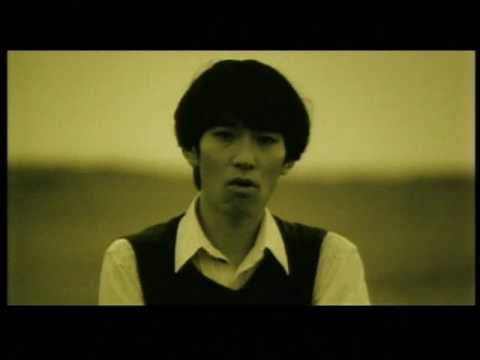
This song, which has sparked speculation among the public that it might be an anti-war song, is a track from the 1995 album Honey.
Indeed, it features words that evoke war and history—like “countries that once existed” and “smoke.” What’s important, however, is that words of love are sung within that context.
It seems this song also invites a very deep interpretation.