

A beautifully mad world: Amazing lyrics! Spitz’s masterpiece — the Masamune Kusano world

Speaking of Spitz, their refreshing melodies are wonderful, and above all, the depth and occasional obscurity of their lyrics are a major part of their appeal, aren’t they?
Masamune Kusano, the vocalist, writes most of the lyrics, and I imagine many people get captivated by the world he creates and find themselves drawn in deeper and deeper.
Their music is also beloved by many musicians, such as Aimyon and Enon Kawatani.
It’s full of uncommon turns of phrase and striking, eye-opening lines.
In this article, we spotlight Spitz songs with truly remarkable lyrics.
Be sure to take your time listening while unraveling the words.
- Spitz Popular Songs Ranking [2026]
- [Songs with Great Lyrics] Masterpieces you’ll want to listen to while savoring the words that resonate with your heart
- Masterpieces by Spitz: A list of recommended popular songs and signature tracks
- Spitz Graduation Songs, Entrance Ceremony Songs, and Popular Song Rankings [2026]
- A cover of Spitz’s classic song “Haru no Uta” (“Spring Song”)
- A classic song covered by major artists: cover versions of Spitz’s “Kaede.”
- The lyrics are profoundly good. The more you listen, the more it sinks in. Masterpieces of Japanese music, recommended popular songs.
- Spitz Unrequited Love Songs: Popular Songs Ranking [2026]
- A band that plays menhera songs; their appeal lies in lyrics that seep into weary hearts.
- Spitz songs that are easy to sing at karaoke and popular tracks
- Spitz Support Songs and Popular Song Rankings [2026]
- A masterpiece that sings of wonder. Recommended popular songs.
- Iconic and Popular Songs by THE YELLOW MONKEY (Iemon)
[A Beautifully Mad Worldview] Lyrics That Amaze! Spitz’s Masterpieces: The Masamune Kusano World (11–20)
Wakabasupittsu

It’s a single released in 2008 and a classic that sings about graduation in a dramatic way.
When the everyday life I thought would last forever comes to an end, what I remember is your smile—.
It’s a fleeting yet beautiful song of youth.
At the same time, lines like the earnest you saying you’re “scared” add a touch of realism that feels very Spitz-like.
I want to become a cat.supittsu

This song was included as the B-side to “Aoi Kuruma,” released in 1994.
There are two characters—the protagonist and “you”—but listeners’ interpretations vary widely.
The lyrics have a certain wistfulness, and it’s hard to imagine a happy ending, which gives the song a sense of fragility or danger.
How do you interpret this song?
akasanatanasupittsu

images-na.ssl-images-amazon.com
It’s a rare, unreleased song that only dedicated fans know.
It slips in suggestive lines from counting songs like “A-ka-sa-ta-na” and “I-ro-ha-ni-ho-he-to,” and even mentions an “amore” bent into a “U,” so at first glance it’s impossible to tell what the song is actually about! But precisely because Spitz always places death at the core of their themes, this is a track well worth reading deeply into.
Start walking, Cloversupittsu

This is a song included on the album “Honey.” It can be interpreted as a song that portrays life, using the clover—an emblem of happiness—as a point of reference.
It’s also well known that it was written after watching the film Forrest Gump.
Be sure to watch the movie and then listen to the song again—you might discover something new!
Singing Rabbitsupittsu

Utau Usagi, which was selected as the theme song for the film “My Teacher,” is a track included on Spitz’s 2017 release, CYCLE HIT 2006–2017 Spitz Complete Single Collection.
Its guitar sound evokes 1970s–80s folk, and the conversational vocal delivery leaves a strong impression.
The lyrics are appealing for the subtle touch of fiction interwoven into real life.
While it portrays the pain and heartache of falling in love, it also conveys a sense of clarity and beauty.
It isn’t a straightforward love song; rather, it’s a piece that speaks of life and love, revealing more of its charm the more you listen.

8823supittsu
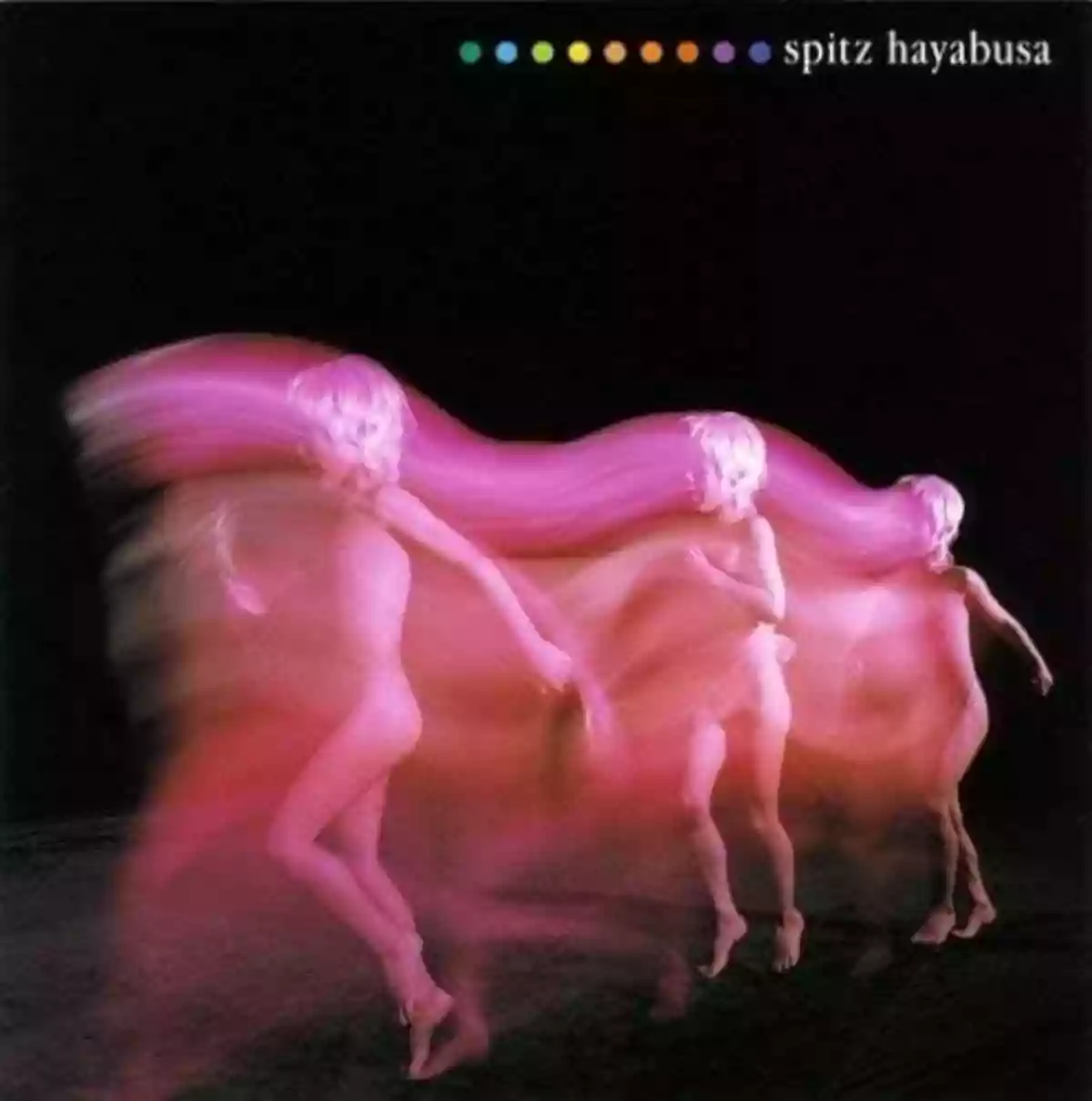
images-na.ssl-images-amazon.com
“8823” is a song included on the 2000 album “Hayabusa.” As the anecdote goes, it’s modeled after a manga character, and the striking line that only one person in the universe can set you free stands out.
It can also be taken as the ultimate love song, expressing in various ways a strong resolve that I am your hero.
[A Beautifully Mad Worldview] Amazing Lyrics! Spitz’s Masterpieces — The Masamune Kusano World (21–30)
Grasshoppersupittsu

The bouncy rhythm and exhilarating, fast-paced guitar sound feel absolutely amazing! Masamune Kusano’s distinctive word choices and catchy melodies have a captivating charm that grabs listeners and won’t let go.
Though it wasn’t released as a single, this track—featured in the latter half of the classic 1995 album “Honey (Hachimitsu)”—has long been a fan favorite.
It also drew attention in 2015 when ASIAN KUNG-FU GENERATION covered it for a tribute project.
The vocal range isn’t very wide, and its upbeat tempo makes it easy to try at karaoke.
Put it on as driving BGM, and it’s a pop tune guaranteed to lift your spirits along with the passing scenery.