

Songs with titles that start with “Ha.” Lots that evoke the seasons!

Have you heard of karaoke shiritori, where you link the last letter of each song title to the next, or the version where you play using only song titles? The key is how many song titles you can remember and how many different songs you can sing, and it gets really exciting when music lovers play together.
Still, there are times when you just can’t come up with a song title… So in this article, I’ll introduce songs that start with “Ha” to help you out when you get stuck on that syllable! There are lots of seasonally themed songs like “Haru” (spring), “Hanabi” (fireworks), and “Hana” (flower), so please take a look.
- Compilation of Vocaloid songs with titles starting with “Ha”
- Songs with titles that start with “ba.” Useful hints for karaoke or shiritori!
- Songs whose titles start with “He.” Useful for shiritori or karaoke.
- Songs with titles that start with “Sa”: a roundup you can use for shiritori or karaoke
- A compilation of Vocaloid songs with titles starting with “He”
- [Spring Songs] Classic and Latest Hit Collections Perfect for a Bright, Gentle Spring
- Spring songs from the early Showa era: a collection of kayōkyoku and shōka that evoke spring
- Songs Women Want Men to Sing: Popular Karaoke Picks Chosen by Girls
- Songs with titles that start with “Hi.” The vast world of “Hi.”
- Summary of Vocaloid songs with titles starting with 'Hi' (ひ)
- [Stars, Fireflies, etc.] A collection of songs whose titles start with “Ho” (ほ)
- [Spring Songs] Recommended for Women! A Selection of Karaoke Classics & Popular Tracks
- Karaoke songs to sing in April: classic and popular spring hits
Songs with titles starting with “Ha.” Lots that feel seasonal! (61–70)
HOWLAyumu Imazu
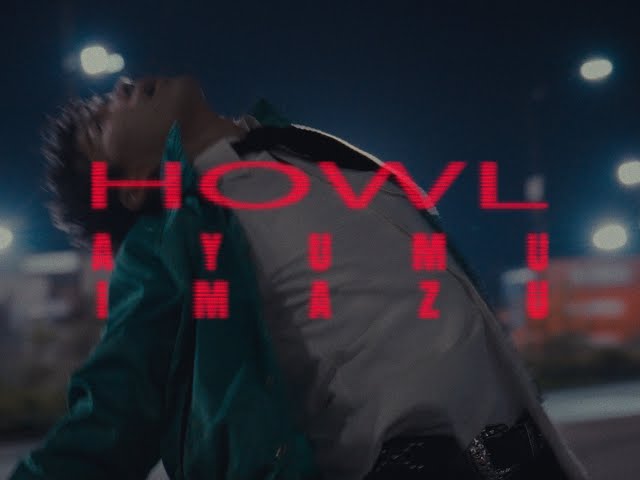
A digital single by Ayumu Imazu, highlighted by an exhilarating track that feels like sprinting through the city at night.
Released in July 2025, it was written as the opening theme for the anime “Let’s Go to Karaoke!”.
The dramatic lyrics, told from the protagonist’s perspective, resonate with the turbulence of adolescence and a thirst for growth.
It’s a cool, pop-infused dance number that pairs perfectly with his signature dance performance—just listening makes your body want to move.
A song that gently gives you a push forward when you’re facing uncertainty and doubt.
Party mannersTonbi

This is the Vocaloid version of a piece written specifically for a virtual share house.
The track is by Vocaloid producer Tonbi and was released in March 2026.
Its appeal lies in the electro-swing-style arrangement, the mature melodic lines, and the distinctive vocal performances that bring out the unique personalities of Miku, Rin, and Len.
It’s packed with highlights and is sure to be on repeat.
The lyrics urge you to enjoy a one-night party to the fullest, and combined with the musical style, the song exudes a subtly mysterious vibe.
Highly recommended if you’re looking for something stylish.

HarukaYOASOBI
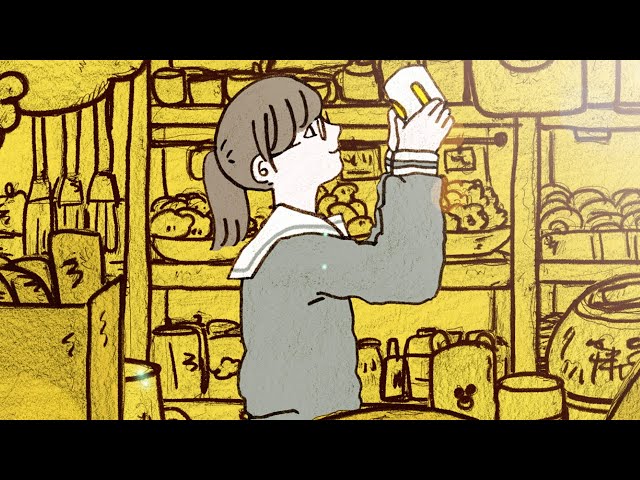
Based on Osamu Suzuki’s novel “Tsuki-ōji” (Moon Prince), this story portrays love and growth directed toward a girl named Haruka that begins with a certain mug.
Characterized by warm, gentle melodies and lyrics, it’s a hit song that has surpassed 400 million streams.
The pitch is relatively easy to keep steady, and the key lies in the softly spoken feel of the A and B sections contrasted with a dramatic key change and dynamic emotional expression in the chorus.
There’s also another key change in the final chorus, so be careful not to tense up there.
Let your shoulders stay loose and swing freely, and try singing without overexerting yourself.

Eight-Pointed Star DanceAve Mujica

This track overflows with an uncanny sense of festivity, built on a rock foundation and infused with the driving force of dance music and hip-hop elements.
Diggy-MO’s signature bouncy flow, who handled the lyrics, is brilliantly mixed with a decadent mood.
The piece is included on the album “Completeness,” released as of April 2025, and colored the climax as an insert song in episode 13 of the TV anime “BanG Dream! Ave Mujica.” Within its roughly 3 minutes and 49 seconds, it packs a ritualistic, dark intensity.
Highly recommended for those who want to sway their bodies while sinking into full immersion.
A person waiting for springBRAHMAN

A requiem song imbued with prayers for those who never lived to see the warm season, its urgent words and moving melody striking deeply at the heart.
It showcases the profoundly human, songful spirit BRAHMAN has cultivated over many years.
Featured early on the album “viraha,” released in February 2025 to mark the band’s 30th anniversary, this track is quietly illuminated by TOSHI-LOW’s conversational, expressive delivery, bringing to light each listener’s own memories of parting.
A soul-stirring number that gently stays by the side of those who wish to face forward even while carrying sorrow.
HappinessShenelu

While grounded in classic J-pop balladry, this medium-tempo ballad shines with Che’Nelle’s R&B-inflected vocal expression.
Released in November 2014, it was written as the theme song for Fuji TV’s Thursday drama “Dear Sister.” It portrays feelings for the person you most want to share your joys and frustrations with, and the desire to support them even when you’re out of sync—blending poignancy with warmth.
Carrying the message “everything is for the other person’s happiness,” the song embraces many forms of love beyond romance, including family and friendship.
It’s a superb wedding song, perfect for those who want to envelop the venue in a warm, festive atmosphere right before the bride and groom make their entrance in the opening movie.
to clear up (weather)Yorushika

“Haru,” a song by Yorushika released in January 2024 as the opening theme for cour 2 of the anime Frieren: Beyond Journey’s End.
This track captivates with its fusion of electronica and rock, where synthesizers and guitars intertwine.
Its lyrics, which depict life’s joys and sorrows—and the hope that lies beyond hardship—through shifting weather like rain and clear skies, are deeply moving.
While tinged with the melancholy of passing time and the growing pains of change, it instills a powerful sense of looking forward.
The song’s distinctive, fast-paced intro is perfect even for a grade-school recreation intro-quiz, making it a tune that instantly brightens and clears the listener’s mood.