

Spring songs from the early Showa era: a collection of kayōkyoku and shōka that evoke spring


When you hear “spring,” what songs come to mind?In the early Showa era, spanning from before to after the war, many popular songs, school songs, and children’s songs were created that delicately captured the changing seasons.In this special feature, we present a rich selection of songs and school songs about spring from that time.Some of the linked audio-video materials use original recordings from the era, so please savor the spring air of those days along with the retro sound.We hope you enjoy a gentle springtime, humming along to these nostalgic melodies.
Spring songs from early Showa era. A collection of popular songs and school songs that evoke spring (1–10)
Green breezesakushi: shimizu katsura / sakkyoku: kusakawa shin

Broadcast nationwide via NHK Radio in January 1948, shortly after the war, this work is one of the quintessential children’s songs of the Showa era, depicting the cheerful arrival of spring and children’s wholesome play.
The lyrics were written by Katsura Shimizu, known for “Kutsu ga Naru,” and the music was composed by Shin Kusakawa; the sunny melodies woven by the duo cast a warm light on Japan during its period of reconstruction.
In fact, the piece has remained beloved across generations, even being used in a 2006 TV commercial by Asahi Kasei Homes.
The lyrics feature butterflies and a brook, expressing the joy of playing amid tranquil nature, making it perfect for those who wish to reminisce about nostalgic Showa-era scenery.
A monument to the song also stands in Wako City, Saitama Prefecture, and it continues to be cherished by the local community as a classic.
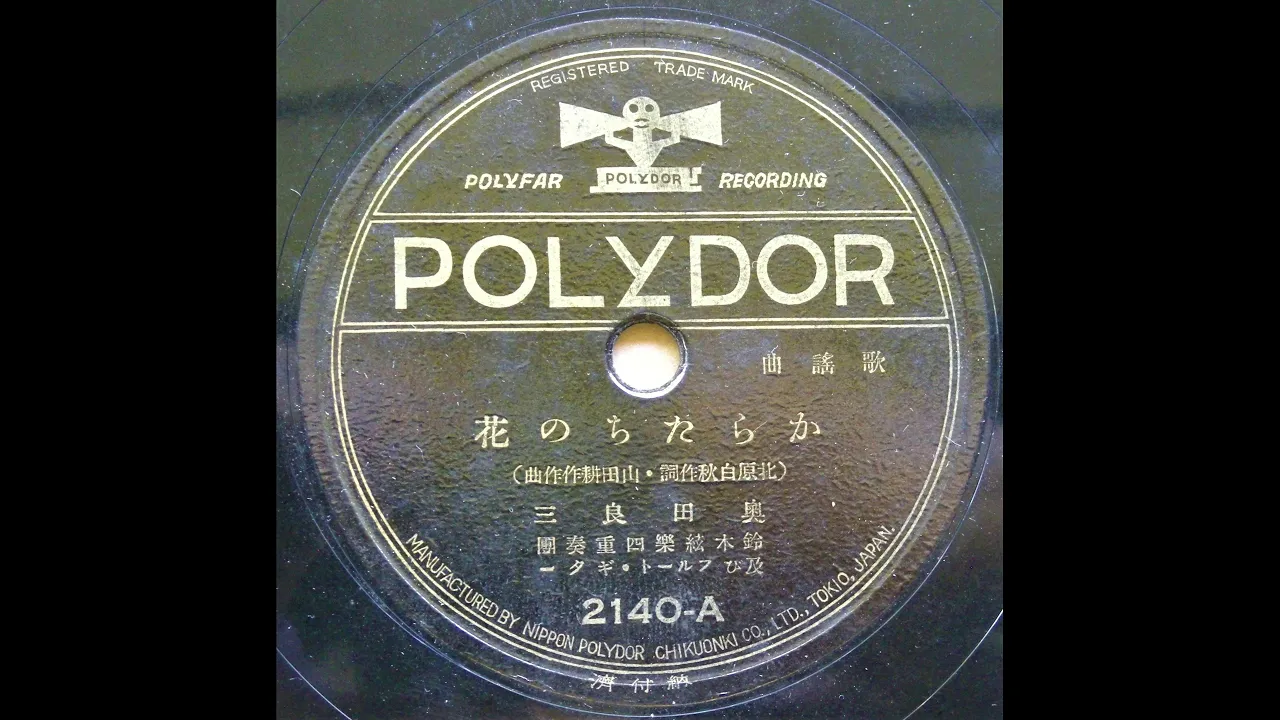
Flowers of the trifoliate orangeSakushi: Kitahara Hakushū / Sakkyoku: Yamada Kōsaku

This classic piece, crafted by the golden duo of Japanese music history—Hakushu Kitahara and Kósçak Yamada—is a sentimental song that portrays the changing seasons through white flowers, blue thorns, and golden fruit ripening in autumn.
The lyrics are said to be based on Yamada’s poignant childhood memories, with the composition completed in January 1925 and first published that May in the magazine Josei (Women).
In fact, a television drama of the same title aired on Nippon TV’s Yamaichi Masterpiece Theater starting in April 1958, and in 2007 it was selected for the Agency for Cultural Affairs’ “100 Best Japanese Songs,” a testament to its enduring popularity.
If you’d like to reminisce about childhood memories with the arrival of spring, or savor the beautiful sound of the Japanese language, I highly recommend listening closely to this song.
Spring somewhereSakushi: Momota Sōji / Sakkyoku: Kusakawa Shin

In the lingering chill of early spring, don’t you sometimes catch a hint of the season to come in a fleeting moment? It’s at times like these that you naturally find yourself humming this piece composed by Shin Kusakawa.
Rather than announcing a flamboyant arrival of spring, its lyrics, which invite you to listen closely and sense the turning of the seasons, create a quietly moving children’s song.
This work was published in March 1923 in the magazine Shogaku Dansei, with lyrics by the poet Soji Momota.
Cherished for many years through textbooks and collections of children’s songs, it was selected in 2007 for the 100 Best Songs of Japan by the Agency for Cultural Affairs and the National Congress of PTA.
It seems like the perfect song for quietly rejoicing in the certain coming of spring, or for parents and children to feel the season together.
Spring breeze blowing at nightsayo fukuko
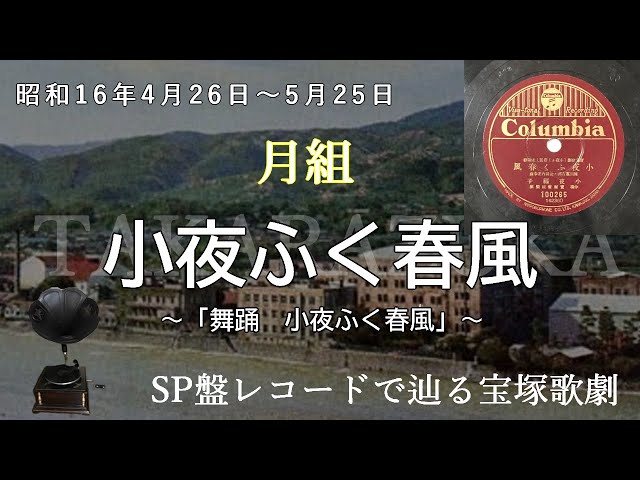
Released in April 1941 to coincide with the Takarazuka Revue’s Moon Troupe dance performance, this piece features vocals by Fukuko Sayo, who at the time was the Moon Troupe leader and a popular otokoyaku (male-role) star.
The lyrics and direction were by Keikichi Okada, with music by Masayuki Iwagōchi, and the arrangement—set to the Takarazuka Orchestra—evokes the atmosphere of a spring night, capturing the theater’s ambiance in all its splendor.
Notably, the song was created as the main theme for the same production, with “Ō-Yamato no Uta” coupled on the B-side of the record.
It served both as a keepsake that rekindled memories of the stage and as music to enjoy spring at home.
Why not spend a retro springtime moment listening to Fukuko Sayo’s elegant singing voice?
Haze or cloud?shouka

When you stroll through the fields and hills in spring, don’t you sometimes feel your heart leap at the faint songs of little birds? Published in March of 1883 in The Elementary School Song Collection, Part II, this piece sets Japanese lyrics to a German folk melody and is cherished as a song that symbolizes spring in Japan.
In fact, when it was included in textbooks in 1947, the lyrics were changed to the familiar version we know today, penned by Katsuo Shōfu.
Perhaps one of the charms of school songs is how their form evolves as they are passed down through the ages.
Loved for many years as educational material, it can also be heard in beautiful harmony on albums like the Doyo/Shoka series by Saori Yuki and Shoko Yasuda.
It’s a tune you’ll want to hum as a companion on a walk in the gentle spring sunlight.
Pleasant spring breezedikku mine

This piece is beloved as a bright, light jazz song that feels perfect to listen to with the arrival of spring.
Originally an American traditional song called “Careless Love,” it became a masterful performance through lyrics by Kinya Shimada and arrangement by Tokuichi Mine, where Japanese sentiment blends with the chic sensibility of Western music.
Released by Teichiku in May of 1935 as a new record, the vocalist Dick Mine was in fact the same person as the arranger Tokuichi Mine—a multitalented entertainer who flourished not only as a singer but also as a musician and actor.
With its comfortable foxtrot rhythm, this track is highly recommended for anyone who wants to spend a gentle springtime moment while soaking in the modern mood of early Showa.
Japanese bush warblerdōyō

When it comes to birds that herald the arrival of spring, isn’t that distinctive call the first thing that comes to mind? The children’s song introduced here, Uguisu, charmingly captures the warbler’s spring-announcing trill.
The image of it perched on a plum twig and the repeated phrases that mimic its call vividly bring back the tranquil scenes of spring.
The song first appeared in 1941 in the national elementary school textbook Uta no Hon (Upper Volume).
With lyrics by Yanagiha Hayashi and music by Takeshi Inoue, it portrays the changing seasons without difficult words, and has long been beloved as a school teaching material.
Though its melody has been sung since the early Showa era, it remains a perfect tune to hum with your child even now, basking in the warmth of spring.