

Spring songs from the early Showa era: a collection of kayōkyoku and shōka that evoke spring
When you hear “spring,” what songs come to mind?In the early Showa era, spanning from before to after the war, many popular songs, school songs, and children’s songs were created that delicately captured the changing seasons.In this special feature, we present a rich selection of songs and school songs about spring from that time.Some of the linked audio-video materials use original recordings from the era, so please savor the spring air of those days along with the retro sound.We hope you enjoy a gentle springtime, humming along to these nostalgic melodies.
Playlist
| Spring songs from the early Showa era: a collection of kayōkyoku and shōka that evoke spring | |||
|---|---|---|---|
| show_chart | Title | Playlist | Review |
| 1east | Green breezesakushi: shimizu katsura / sakkyoku: kusakawa shin |  play_arrow play_arrow | A Shōwa-era children's song depicting the arrival of spring and children's play |
| 2east | Flowers of the trifoliate orangeSakushi: Kitahara Hakushū / Sakkyoku: Yamada Kōsaku |  play_arrow play_arrow | The changing seasons in the famous works by Hakushū and Kōsaku |
| 3east | Spring somewhereSakushi: Momota Sōji / Sakkyoku: Kusakawa Shin |  play_arrow play_arrow | Introduction to a children's song that sings of the arrival of spring |
| 4east | Haze or cloud?shouka |  play_arrow play_arrow | The history and charm of the song that symbolizes the voices of small birds heard in the spring fields and mountains |
| 5east | Flower Towndōyō |  play_arrow play_arrow | The children’s song that represents spring after the war, “Hana no Machi” (Flower Town) |
| 6east | Pleasant spring breezedikku mine |  play_arrow play_arrow | A sprightly spring jazz song, a masterpiece performance from early Showa era |
| 7east | Japanese bush warblerdōyō |  play_arrow play_arrow | The bush warbler, the spring-announcing bird, children's song |
| 8east | Gion Little SongSakushi: Osada Mikihiko / Sakkyoku: Sasa Kōka |  play_arrow play_arrow | A Showa-era classic song depicting a Kyoto maiko |
| 9east | The city is a spring breezeNakano Tadaharu |  play_arrow play_arrow | A song of Western jazz Japanized by the spring breeze |
| 10east | Plum blossoms in the spring breezeShinbashi Kiyozo |  play_arrow play_arrow | A popular song from the early Showa era themed around plum blossoms and the spring breeze |
| 11east | spring breeze, spring rainYamaguchi Yoshiko |  play_arrow play_arrow | Showa ballads sung by Yamaguchi Yoshiko |
| 12east | Tulipdōyō |  play_arrow play_arrow | The History and Charm of Children’s Songs Depicting Spring Flowers |
| 13east | Spring breeze blowing at nightsayo fukuko |  play_arrow play_arrow | Theme song of the Takarazuka Moon Troupe’s 1941 (Showa 16) performance |
| 14east | Edo is a spring breezeTakada Kōkichi |  play_arrow play_arrow | A fusion of Japanese and Western styles with an Edo-period aesthetic |
| 15east | The Flower Girl of TokyoHaruo Oka |  play_arrow play_arrow | A 1946 classic that portrayed hope in postwar Tokyo |
| 16east | Nineteen SpringsKagurazaka Uki | 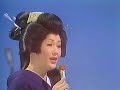 play_arrow play_arrow | Kagurazaka Ukiko’s 1956 hit song depicting a nineteen-year-old woman’s heartbreak |
| 17east | Early Spring Odeshouka |  play_arrow play_arrow | A composition that delicately depicts a spring scene |
| 18east | The Apple SongNamiki Michiko |  play_arrow play_arrow | A classic song that sings of postwar hope: Blue Skies and Love |
| 19east | Song of Springtsukimura mitsuko |  play_arrow play_arrow | Spring Song is a representative spring piece from the early Showa era. |
| 20east | Flowershouka |  play_arrow play_arrow | A cherry blossom song celebrating the arrival of spring, a heartwarming classic |
| 21east | Hate and the spring breezeFujimoto Nisankichi |  play_arrow play_arrow | A Showa-era (early) jazz school song that dreams of the spring breeze |
| 22east | When the white flowers bloomOkamoto Atsurō |  play_arrow play_arrow | Scenes of spring and parting, when white flowers bloom |
| 23east | Elegy of SpringTōkairin Tarō |  play_arrow play_arrow | The elegy of spring sings of an unfulfilled love |
| 24east | Though the white roses bloomFujiyama Ichirō |  play_arrow play_arrow | A Showa-era popular song composed by Masao Koga |
| 25east | Elegy of SpringShōji Shirō |  play_arrow play_arrow | “Spring Elegy” is a classic song from the early Showa era that expresses love and parting. |
| 26east | White Plum Blossoms of YushimaObata Minoru |  play_arrow play_arrow | Minoru Obata’s “Yushima no Shiraume” is a prewar popular song. |
| 27east | Suzhou SerenadeWatanabe Hamako, Kirishima Noboru |  | A popular Showa-era song set in Suzhou, China before the war |
| 28east | Over the hillFujiyama Ichirō |  | The origins and appeal of the classic song “Over the Hills,” sung by Ichiro Fujiyama |
| 29east | Blue MountainsFujiyama Ichirō | 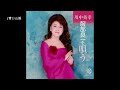 play_arrow play_arrow | The birth and significance of a masterpiece that sang of hope after the war |
| 30east | A Hazy Moonlit Nightshouka |  play_arrow play_arrow | An old Japanese song that depicts a spring evening |
| 31east | Song of SpringUchida Hajime |  play_arrow play_arrow | A heartwarming national song that sings of the arrival of spring |
| 32east | Flowers and Sunshine of a Spring DayAirurando min’yō |  | A song that gently embraces love as it changes |
| 33east | Where are you, spring?Futaba Akiko, Fujiyama Ichirō |  play_arrow play_arrow | A melancholic popular song released by a famed Showa-era hit-making duo |
| 34east | carp streamer |  play_arrow play_arrow | Koinobori is a children's song with lyrics by Miyako Kondo. |
| 35east | We Look Up to You with Respectshouka |  play_arrow play_arrow | Aogeba Tōtoshi, a spring classic at graduation ceremonies |
| 36east | Spring has come. |  play_arrow play_arrow | A famous Japanese children's song that sings of the arrival of spring |
| 37east | Come, spring |  play_arrow play_arrow | The classic song 'Come, Spring' that sings of the yearning for spring |
| 38east | The Night Wind of the JourneyKirishima Noboru, Misu Koromubia |  play_arrow play_arrow | It became a movie theme song of Showa-era popular music in 1938. |
| 39east | Maiden’s SpringAwaya Noriko |  play_arrow play_arrow | Noriko Awaya’s song from 1934 of the Showa era |
| 40east | Plum Blossoms and SoldiersTabata Yoshio |  play_arrow play_arrow | A Showa-era pop song in which a soldier at the front sings of his feelings for his mother |
| 41east | The Hill Where Mandarin Orange Blossoms BloomKawada Masako |  play_arrow play_arrow | The Birth and Popularity of “Mikan no Hana Saku Oka” |
| 42east | Tokyo RhapsodyFujiyama Ichirō |  play_arrow play_arrow | Ichirō Fujiyama’s signature song that symbolizes Shōwa-era kayōkyoku (popular songs) |
| 43east | Spring Stream |  play_arrow play_arrow | A Nostalgic Children’s Song That Evokes Spring: “Spring Stream” |
| 44east | Has the plum blossomed? |  play_arrow play_arrow | Have the plum blossoms bloomed? A song about romantic feelings for the opposite sex. |
| 45east | Spring of the AccordionNakano Tadaharu |  play_arrow play_arrow | Tadaharu Nakano's Showa-era Kayōkyoku Album |
| 46east | Blue MountainsFuji Yama Ichirou, Nara Mitsue |  play_arrow play_arrow | Blue Mountain Range is a postwar national song. |
| 47east | hometownshouka |  play_arrow play_arrow | A song that symbolizes the Japanese spirit, expressing feelings for one’s hometown |
| 48east | tricolor violetSakurada Junko |  play_arrow play_arrow | A song that entrusts a faint first love to tricolored violets |
| 49east | Comrades-in-arms cherry blossomsItō Hisao |  play_arrow play_arrow | “同期の桜” is a wartime military song that continues to be sung today. |
| 50east | Maiden of the LakesideKikuchi Akiko |  play_arrow play_arrow | Akiko Kikuchi’s signature song “Maiden by the Lakeside” |
| 51east | Spring NightMiyagi Michio |  play_arrow play_arrow | A spring night, a scene enchanted by the sound of the koto. |
| 52east | Spring is still young.Arishima Michio |  play_arrow play_arrow | A 1936 film theme song that uses a poem by Takuboku Ishikawa |
| 53east | Sakura, sakurashouka |  play_arrow play_arrow | The quintessential spring cherry blossom song, “Sakura Sakura.” |
| 54east | Happy Hinamatsuri |  play_arrow play_arrow | Features and appeal of the delightful Hinamatsuri |
| 55east | Sakura DōjōjiMikado Junko | 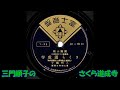 play_arrow play_arrow | A song themed on the legend of Anchin and Kiyohime |
| 56east | Spring at the BorderHaruo Oka |  play_arrow play_arrow | Haruo Oka’s debut song “Spring at the Border” |
| 57east | Happy HinamatsuriKawamura Junko |  play_arrow play_arrow | The Charm and History of Happy Hinamatsuri |
| 58east | The Port Town of Red CamelliasKirishima Noboru |  play_arrow play_arrow | A signature song by Noboru Kirishima and his first appearance on the Kōhaku Uta Gassen. |
| 59east | Smiling Backkyandīzu |  play_arrow play_arrow | Spring songs of parting and memories, timeless melodies that touch the heart |
| 60east | Sakura OndoKouta Katsutaro, Mishima Issei, Tokuyama Tamaki |  play_arrow play_arrow | There are multiple versions of the Sakura Ondo. |
| 61east | When the violets bloomTakarazuka Shōjo Kageki Tsukigumi |  play_arrow play_arrow | When the Violet Flowers Bloom is a song of German origin. |
| 62east | The country where cherry blossoms bloomOSK Nihon Kagekidan |  | The country where cherry blossoms bloom is a traditional song of the Spring Troupe Theater Company. |