

Songs with titles that start with “Ha.” Lots that evoke the seasons!

Have you heard of karaoke shiritori, where you link the last letter of each song title to the next, or the version where you play using only song titles? The key is how many song titles you can remember and how many different songs you can sing, and it gets really exciting when music lovers play together.
Still, there are times when you just can’t come up with a song title… So in this article, I’ll introduce songs that start with “Ha” to help you out when you get stuck on that syllable! There are lots of seasonally themed songs like “Haru” (spring), “Hanabi” (fireworks), and “Hana” (flower), so please take a look.
- Compilation of Vocaloid songs with titles starting with “Ha”
- Songs with titles that start with “ba.” Useful hints for karaoke or shiritori!
- Songs whose titles start with “He.” Useful for shiritori or karaoke.
- Songs with titles that start with “Sa”: a roundup you can use for shiritori or karaoke
- A compilation of Vocaloid songs with titles starting with “He”
- [Spring Songs] Classic and Latest Hit Collections Perfect for a Bright, Gentle Spring
- Spring songs from the early Showa era: a collection of kayōkyoku and shōka that evoke spring
- Songs Women Want Men to Sing: Popular Karaoke Picks Chosen by Girls
- Songs with titles that start with “Hi.” The vast world of “Hi.”
- Summary of Vocaloid songs with titles starting with 'Hi' (ひ)
- [Stars, Fireflies, etc.] A collection of songs whose titles start with “Ho” (ほ)
- [Spring Songs] Recommended for Women! A Selection of Karaoke Classics & Popular Tracks
- Karaoke songs to sing in April: classic and popular spring hits
Song titles that start with “Ha.” Lots that feel like the seasons! (81–90)
FireWorkstsubaki fakutorī
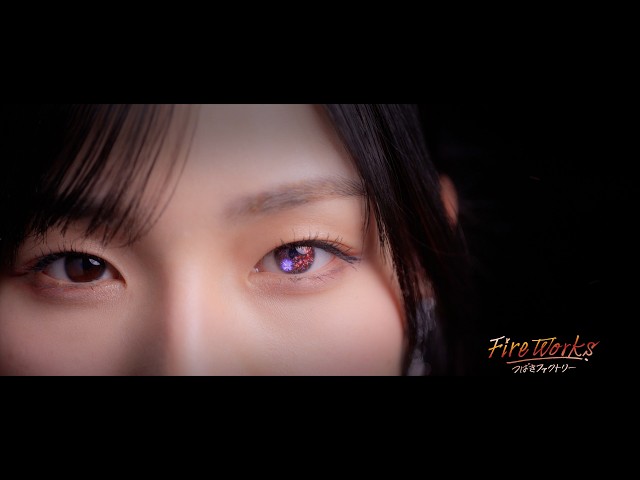
Hello! Project’s idol group Tsubaki Factory captivates audiences with their elegance and expressive power.
“FireWorks,” a track pre-released from their double A-side single coming out in June 2026, drew attention for its co-writing and composition by SHOCK EYE of Shonan no Kaze.
Centered on a theme of inner passion bursting forth, it stirs the heart just by listening.
Its hybrid arrangement—classic idol pop infused with rap and ad-libs—is another highlight.
Give it a listen when you’re ready to take on something new.
Yes, Androharu asagi

A Vocaloid track with an addictive, nerve-fraying sensation.
Created by Vocaloid producer Haruasagi, it was released in August 2025.
By weaving together the voices of Otomachi Una and Hatsune Miku, it vividly portrays emotional ups and downs and unstable love.
The sound blends rock’s drive with jazz nuances, which is another draw.
When you’re putting on a bright face while feeling suffocated inside, this song is sure to hit deep.
Song of BeginningsRyokushokushakai

With its exhilarating, pop-infused melody, this Ryokuoushoku Shakai number gives a powerful push to take the first step into a new life.
Originally released in August 2017, it’s included on the mini-album “ADORE” and the album “Ryokuoushoku Shakai.” In addition to being featured in a Drug Sugiyama commercial, it was chosen as the theme song for ABEMA’s “Kyo, Suki ni Narimashita Nha Trang Edition” in April 2024.
Spring is a time for diving into new environments, and it can bring feelings of anxiety and doubt.
This song embraces those negative emotions and conveys a strong will that makes you feel you can start over as many times as you need.
Song of BeginningsGRe4N BOYZ

This song portrays the resolve to step away from familiar scenery and embark on a new story.
It carries a message that rather than merely longing for the past, it’s okay to start again even after failure, gently enveloping the listener’s heart.
Released in March 2016 under their former name, this track by GRe4N BOYZ was featured in Able’s Spring 2016 commercial.
Perfect for a farewell ceremony that cheers on a fresh start in a new place, it turns the sadness of parting into a radiant memory when everyone sings it together.
fireworksaiko

When it comes to expressing delicate feelings of love in song, no one outshines the singer-songwriter aiko.
This is a bright, approachable pop number that vividly captures the dazzling lights that color the summer night sky, layered with aching longing and restless emotion.
Released back in August 1999, the track still enjoys enduring, undimmed popularity today.
It was used as the ending theme for TV Asahi’s “Geki Maji!! ~Teen no Honne~” and as a commercial song for Circle K.
It’s also included on the classic album “Sakura no Ki no Shita.” Perfect for anyone experiencing that tantalizing, just-out-of-reach kind of love.
Set it as the BGM for your Instagram Stories to capture beautiful summer moments, and it will amplify the emotional atmosphere even more.
FireworksWagakki Band

Wagakki Band is an eight-member rock group that fuses traditional Japanese instruments with rock.
A pivotal track that cannot be overlooked when discussing their early career is their first original song, Hanabi, released in August 2014 as a video single on DVD and Blu-ray.
Vocalist Yuko Suzuhana wrote both the lyrics and music, crafting an intense lyrical world that overlays the fleeting nature of fireworks with themes of love and attachment.
It’s a dynamic piece where the Japanese shading of traditional instruments intersects with the driving force of a rock band sound, evoking the sparkle of fireworks that bloom and vanish in the summer night sky.
With its strikingly cinematic imagery, the track feels like a perfect BGM choice for posting summer-night fireworks videos on Instagram.
Song titles that start with 'Ha'. Lots that feel seasonal! (91–100)
fireworksOku Hanako

A beautiful shower of light coloring the summer night sky—if you’re posting it to your Story, why not pair it with a wistful BGM? Singer-songwriter Hanako Oku, who grew her following from street performances and has moved many hearts.
This song was released in August 2004 as her first indie single and later re-recorded, becoming one of her signature works.
The fleeting lights that burst and vanish in an instant mirror the fragility of love and the ache for days that won’t return.
Beginning with a piano-and-vocal intro, this piece holds an important place on later releases like the album “Prism.” It’s the perfect ballad for those who want to spend a sentimental summer night while looking back on precious memories.