

Taro Hakase’s famous and popular songs

Taro Hakase is a violinist who has produced famous pieces such as “Jounetsu Tairiku” and “Himawari,” and has been active across the boundaries of classical and pop music.
His distinctive character is also captivating—his trademark, strikingly permed hairstyle and entertainment-rich live performances shatter the conventional image of a violinist.
In this article, we’ve gathered popular and signature tracks for those who are about to listen to Hakase’s music for the first time.
You might even discover, “Wait, this song was by Hakase too?”
Enjoy!
- Taro Hakase’s Popular Songs Ranking [2026]
- [Violin] A curated selection of beloved classic masterpieces and popular pieces that continue to be cherished across eras
- Taro Hakase Wedding Songs: Popular Songs Ranking [2026]
- [Masterpiece Classics] A special showcase of gem-like masterpieces so beautiful they’ll move you to tears
- Songs that hype you up just by listening—recommended tracks from timeless classics to the latest releases
- Recommended! Tatsuro Yamashita’s classic and popular songs
- Cool classical masterpieces. Recommended classical music.
- Popular classical piano pieces. A collection of masterful performances by Japanese pianists.
- [Classical] A comprehensive introduction to famous love pieces: recommended popular works
- Popular Songs by Eikichi Yazawa: A Curated Selection of Masterpieces from the Boss of Japan’s Rock Scene!
- Masterpieces and popular songs by Keisuke Kuwata
- Compilation of Sad BGM You've Heard Somewhere [Famous]
- Classical Masterpieces: Recommended Works You Should Hear at Least Once
Taro Hakase’s famous and popular songs (31–40)
Hymn of Ten Thousand PraisesHakasé Tarō

This piece was composed by violinist Taro Hakase when the birth of his son led him to view life as a single “journey,” a sentiment he poured into the music.
Its somehow nostalgic yet grand melody, evoking the winds of Asia, deeply moves listeners.
The track was included on the 2007 album “SONGS.” Layers of traditional Japanese instruments and percussion over the violin’s melody create both the festive brilliance of a celebration and the sacred atmosphere of a prayer.
It’s a song full of charm that accompanies important days marking new beginnings in life, as well as moments when you want to calm your heart.
TO LOVE YOU MOREHakasé Tarō
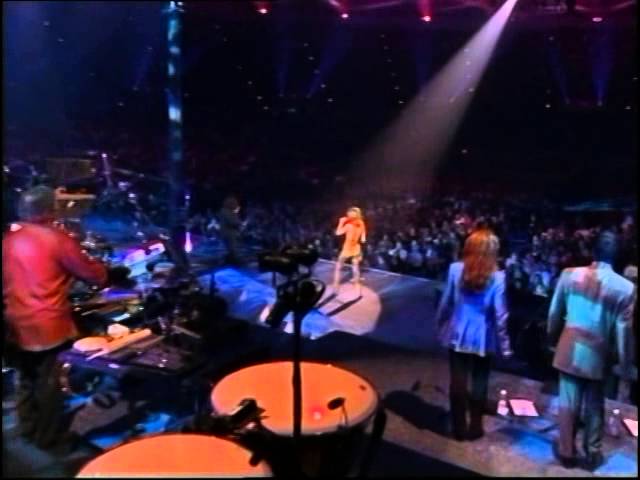
If I could, I’d go to the stage and cling to the real two of them to listen—that’s how beautiful it is.
The waves of sound from Taro Hakase and Celine Dion keep surging toward us.
If the sound were to overflow like a flood, the intense music of these two would linger for quite some time and wouldn’t easily fade away.
EtuprikaHakasé Tarō
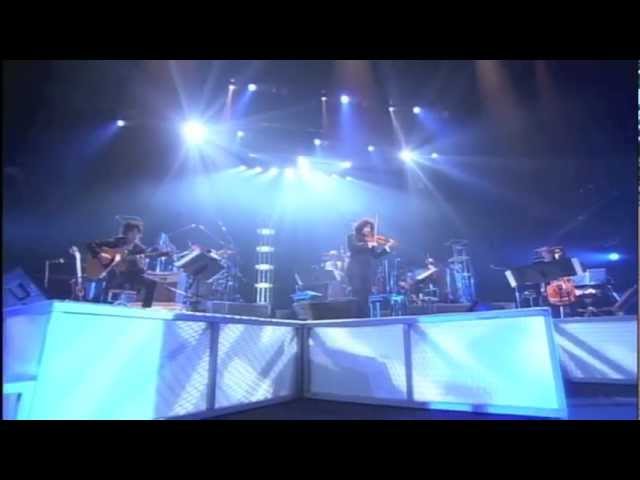
Surely you’re familiar with the Japanese artist who has continued to create music that heals people this much, right? The piece Etuprika was also used as the ending theme for the show Jounetsu Tairiku, so many of you have probably heard it.
When you’re worn out from work or drained by relationships, find a place with beautiful stars—mountains or the sea.
Immerse yourself in the sounds amidst nature and let them wash over you.
Swingin’ BachHakasé Tarō

It’s such a wonderful, amazing piece that it makes me think there’s nothing this person can’t do.
The breathing is in sync, and even just watching, the music feels really good.
It’s thrilling.
The light, lively, and joyful sound is delightful.
I’d love to listen to it while having a drink.
TRITSCH TRATSCH POLKAHakasé Tarō

This song is one of my favorites.
The cheerful arrangement is so characteristic of Taro Hakase, making it an incredibly fun piece.
I really think he goes beyond the realm of an exceptional genius.
I hope he continues to make classical music more enjoyable and spread it to a wider audience.
Taro Hakase’s Masterpieces and Popular Songs (41–50)
BirthHakasé Tarō

It’s a deeply poignant performance that really touches the heart.
From the very first notes of the violin, it’s so moving that it brings tears to your eyes, and you can’t help but be captivated.
It’s the kind of piece that makes you think of your hometown each time you listen to it.
It’s amazing how it can be performed to express so many different emotions.
Wind ChildrenHakasé Tarō

In a refreshing forest, you can picture children energetically running around.
What’s distinctive is that every sound carries a light, bell-like trill—chiri-ri—that gives the piece a playful, delightful character.
Be sure to listen to the end.
At the close, birds chirp—piyo-piyo, riri-ri.
Naturally, all within Hakase’s hands.
I was startled, thinking, “So a violin can make sounds like this.”