

Taro Hakase’s famous and popular songs

Taro Hakase is a violinist who has produced famous pieces such as “Jounetsu Tairiku” and “Himawari,” and has been active across the boundaries of classical and pop music.
His distinctive character is also captivating—his trademark, strikingly permed hairstyle and entertainment-rich live performances shatter the conventional image of a violinist.
In this article, we’ve gathered popular and signature tracks for those who are about to listen to Hakase’s music for the first time.
You might even discover, “Wait, this song was by Hakase too?”
Enjoy!
- Taro Hakase’s Popular Songs Ranking [2026]
- [Violin] A curated selection of beloved classic masterpieces and popular pieces that continue to be cherished across eras
- Taro Hakase Wedding Songs: Popular Songs Ranking [2026]
- [Masterpiece Classics] A special showcase of gem-like masterpieces so beautiful they’ll move you to tears
- Songs that hype you up just by listening—recommended tracks from timeless classics to the latest releases
- Recommended! Tatsuro Yamashita’s classic and popular songs
- Cool classical masterpieces. Recommended classical music.
- Popular classical piano pieces. A collection of masterful performances by Japanese pianists.
- [Classical] A comprehensive introduction to famous love pieces: recommended popular works
- Popular Songs by Eikichi Yazawa: A Curated Selection of Masterpieces from the Boss of Japan’s Rock Scene!
- Masterpieces and popular songs by Keisuke Kuwata
- Compilation of Sad BGM You've Heard Somewhere [Famous]
- Classical Masterpieces: Recommended Works You Should Hear at Least Once
Taro Hakase’s Masterpieces and Popular Songs (41–50)
La Gitane ~A Capricious Woman~Hakasé Tarō

Just when you think it’s heading in a dark direction like the film Forbidden Games, what appears instead is astonishing virtuosity.
The protagonist is a man nursing a broken heart, and the melody is a plaintive cry to his lover.
Within a little over five minutes, a host of characters appears—yet they are all facets of a single person.
The syncopation in the latter half deepens the sense of tragedy.
Is it the sad end of a capricious woman? Or the sorrow of the man she rejected? It’s fun to let your imagination roam.
Dedicating your life to one thing is truly beautiful.Hakasé Tarō
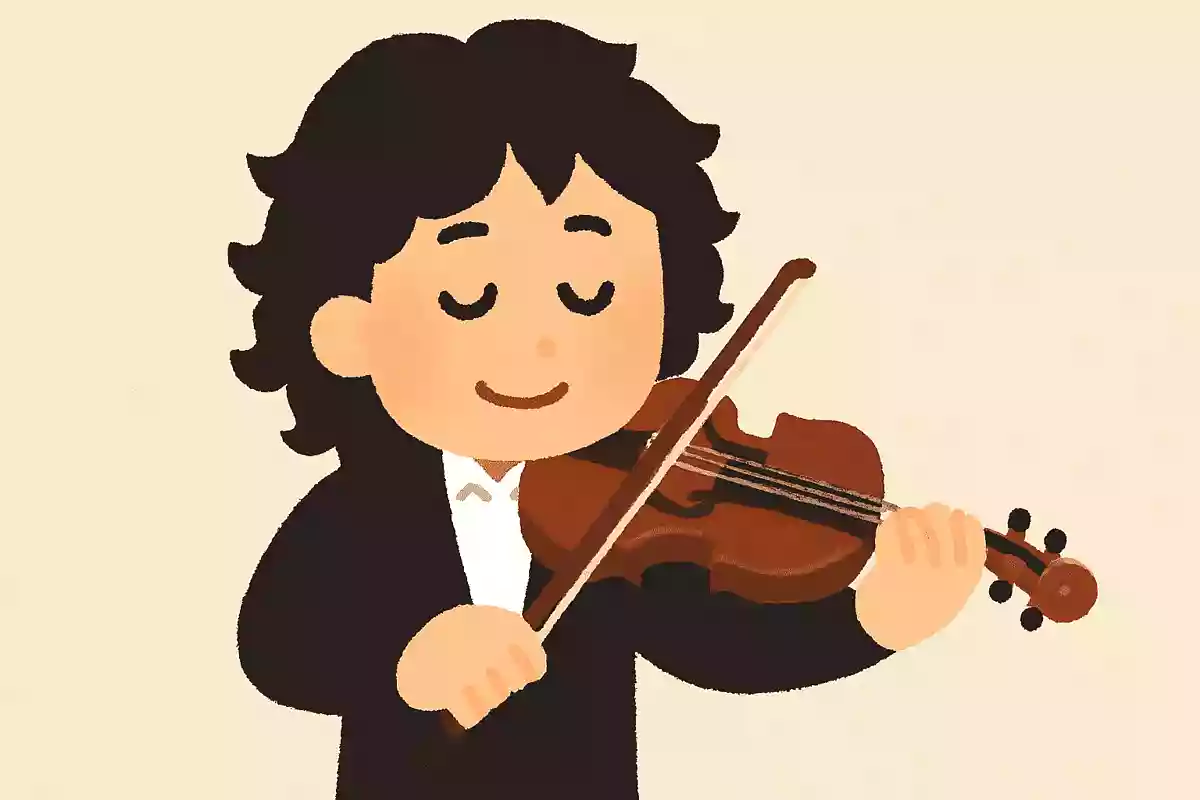
Violinist Taro Hakase, who also drew attention for joining Celine Dion’s world tour held in 1996.
His quote, “Dedicating your life to one thing is truly beautiful,” is perfectly fitting for someone who has made music his vocation.
Encountering something you can stake your entire life on and confronting it with all your strength has a beauty that words can hardly capture.
It’s a way of life that not everyone can achieve, which is precisely why it inspires such admiration.

The Eternal IchijodaniHakasé Tarō

It’s a relaxed, unhurried melody, fitting for the tranquil Ichijodani.
Unusually for a piece by Hakuase, a fleeting, dreamlike sadness flickers through it.
I’d love to listen to it in a quiet, dark space, illuminated only by candlelight.
Pay attention not only to the violin, but also to the soft, shimmering sound of the bells.
Look up and see the stars in the night sky.Hakasé Tarō

Listening to this piece on the violin makes it sound so poignant and moving.
I remember the first time I heard it, my eyes filled with tears.
The performance of that bittersweet melody, which seems to remind me of something important, really touches my heart.
Nagasaki NocturneHakasé Tarō

Irresistible for Nagasaki locals.
The opening builds like the start of a journey into space.
In the latter half, just when it feels like you’ve been whisked into a chic nighttime bar, you’re suddenly transported into a planetarium.
It’s fun to listen while imagining yourself in different places.
Symphonic Poem “Hope” Fifth Movement: Lord of Hope ~ RefrainHakasé Tarō

This piece by Taro Hakase was created as part of a five-movement suite with a grand narrative.
Centered on an emotionally rich violin performance, the music highlights the theme of hope and moves listeners.
It features a fusion of classical and pop styles, with an epic quality reminiscent of film and video game scores.
Included on the album Symphonic Poem “Hope,” released in March 2006, it was also used in the promotion of the video game Final Fantasy XII.
It’s a perfect track for award ceremonies or as background music for moving scenes.
Massenet/Tchaikovsky’s Meditation from ThaïsHakasé Tarō

Jules Émile Frédéric Massenet was a French composer, renowned as an opera composer.
Méditation is an intermezzo heard in the opera Thaïs.
The emotionally expressive violin is performed here by Taro Hakase.