

Songs to Listen to and Play on Halloween! A Selection of Recommended Piano Pieces


The Halloween season is just around the corner! How about making your costume parties and cozy time at home even more enjoyable with music full of mysterious vibes? We’ll introduce piano pieces that elevate the Halloween mood—from classic piano masterpieces to arrangements of soundtrack theme songs.
Why not savor the uniquely Halloween world—slightly eerie yet somehow charming—through the sound of the piano? It’s great for background music, and if you play the piano, be sure to show off your skills at a Halloween party.
Now, let’s take a look at what pieces are out there together!
- [Classical] Recommended classical music perfect for Halloween
- It’s so cool if you can play these on the piano! A selection of irresistibly charming masterpieces.
- Songs that amp up Halloween: a roundup of perfect tracks for party BGM!
- Cute Halloween Song Collection! A carefully selected lineup of adorable tracks that both kids and adults can enjoy
- [Piano Recital] Recommended for Boys! A Curated Selection of Cool, Impressive, and Popular Pieces
- [Easy Halloween Vibes] Perfect BGM and Theme Songs for a Halloween Party
- Autumn for the Arts: Treasured Piano Pieces | Enjoy Classical Music by Listening and Playing
- Music you’ll want to play at a Halloween party: perfect for BGM or dancing!
- A compilation of film music played on the piano / that I want to play on the piano
- Disney Classics to Enjoy on the Piano | A Selection of Recommended Pieces
- [Classical] Famous Piano Works | Gem-like Masterpieces You’ll Want to Play at Least Once in Your Lifetime
- A must-see for piano beginners! Carefully selected classic pieces you should play at least once
- Carefully selected classical piano pieces to play at weddings that are sure to move you to tears
Songs to Listen to and Play on Piano for Halloween! Recommended Picks (1–10)
Gargoyle Op. 29Lowell Liebermann

This is a piano suite that unfolds a world where stone gargoyles of Gothic architecture seem to slip into the night and come to life.
It’s a work by Lowell Liebermann, a leading figure in American contemporary classical music.
One moment you’ll find rapid, thrilling movements; the next, a wistful, beautiful melody flows—imbuing it with a mysterious allure perfect for Halloween.
Premiered in October 1989, it continues to be performed by many pianists today.
The composer’s own performance is included on his solo debut album, “Personal Demons.” Eerie and virtuosic, yet tinged with a certain humor, this piece is recommended for those who want to enjoy a Halloween party with a slightly more sophisticated atmosphere.
Forgotten Melodies, Op. 39 – No. 5: Tragic SonataNikolai Medtner

A dramatic piano piece where storm-like, fierce passion sweeps through.
It’s a work by the Russian composer Nikolai Medtner, included in the cycle Forgotten Melodies, Op.
39, and published in 1922.
Composed in 1919 amid the Russian Civil War, its background further heightens the work’s tragic atmosphere.
The breathless, impassioned development feels like the climax of a Gothic horror film.
Play it on Halloween night, and it’s sure to amplify the mysterious mood! Why not bring your party to life by telling this thrilling story at the piano?
Helen’s ThemePhillip Glass

How about a slightly mysterious piano tone for Halloween night? This piece was composed by Philip Glass, famed as a master of minimal music.
It was created as the theme for the 1992 horror film Candyman.
The beautifully repeating, music-box-like melody conveys a certain warmth and poignancy amid its eeriness.
It’s as if it expresses the protagonist’s inquisitiveness and kindness.
The track is included on the soundtrack album The Music of Candyman.
It’s a perfect song for those who want to immerse themselves in a Halloween-unique world that’s eerie yet endearing.
Want to listen to and play on Halloween! A selection of recommended piano pieces (11–20)
Children’s Album, Op. 39 – No. 20: The WitchPyotr Tchaikovsky
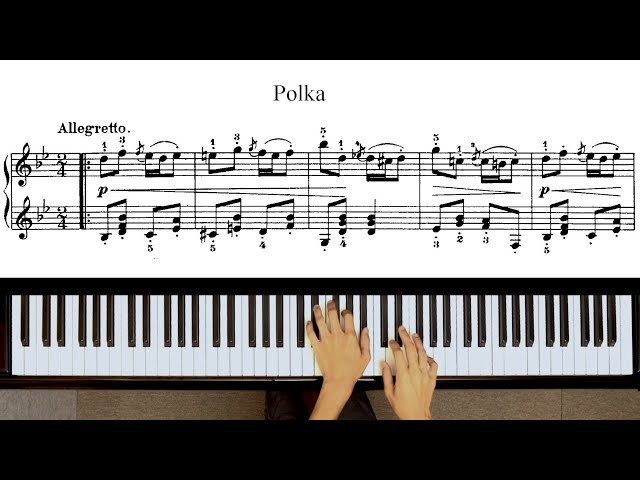
Steeped in an ominous atmosphere that suggests something bad is about to happen, this piece is one of the works from Pyotr Tchaikovsky’s piano collection Album pour enfants, Op.
39, dedicated to his nephew.
The collection is said to have been a heartfelt gift, with sketches for all the pieces completed by May 1878.
In this piece, the witch’s uncanny aura and comically terrifying character are portrayed amid a rapid tempo, making it perfect for the Halloween mood.
The first edition of the collection, including this piece, was published in October 1878.
It’s great as background music, but if you play it on the piano, it’s sure to liven up any party.
Aim for a dramatic performance with a sense of speed and crisp articulation, as if a witch were darting through the air!
Lux AeternaClint Mansell

Its grand and dramatic tone is striking.
It’s a piece by the English composer Clint Mansell.
Included on the soundtrack album Requiem for a Dream, released in September 2000, it remains enduringly popular.
The repetitive phrases played by the strings draw you in as they steadily heighten the tension.
Though there are no lyrics, the sense of tragic fate—like a story swept along by an inescapable destiny—perfectly suits the mysterious atmosphere of Halloween.
This work is also famous for its arranged version used in the trailer for The Lord of the Rings: The Two Towers.
It’s a great recommendation for a Halloween party where you want to create a grand and slightly eerie world.
Fairies’ DanceEdvard Grieg

This piece conjures up a scene of tiny fairies dancing deep within a Nordic forest under the moonlight.
Amid its light and charming atmosphere, the distinctive, mysterious color of the minor key mingles in, making it a perfect choice to illuminate the magical night of Halloween.
It’s included in Lyric Pieces, Op.
12, a collection of piano miniatures published in 1867 by Norway’s foremost composer, Edvard Grieg.
You can hear it on albums such as Ingrid Fujiko Hemming’s Grieg: Piano Masterpieces.
It’s guaranteed to create a stylish, uncanny ambience as background music for a Halloween party! If you perform it yourself, try to capture the fairies’ light footsteps while cherishing a subtly shadowed expression throughout.
Reading Dante: Sonata-FantasiaFranz Liszt
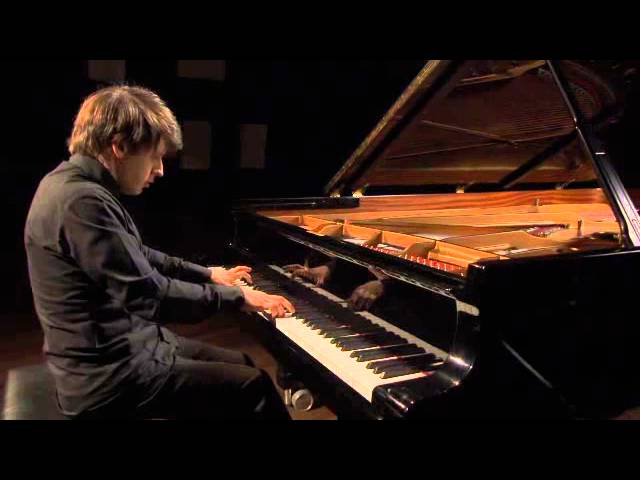
Inspired by depictions of hell in literary works, Franz Liszt’s grand masterpiece is perfect when you want to create a Halloween atmosphere that’s not just scary but profoundly evocative.
From the very beginning, the dissonance known as the “Devil’s interval” resounds, instantly dragging listeners into an unsettling world.
Records show that the work’s prototype was performed in Vienna in November 1839; it was later revised and included in the album Années de pèlerinage, Deuxième année: Italie.
Famous interpretations by Alfred Brendel and Georges Cziffra are well known.
As a piano piece it is extremely challenging, and the key is to bring out the dramatic contrast between infernal torment and heavenly redemption.
Aim to express a grand, story-like world.