

Handmade sugoroku ideas: exciting original sugoroku
Sugoroku is a game where you roll a die and move forward the number of squares shown, aiming for the goal.
It’s been a classic New Year’s pastime since long ago!
In this article, we introduce DIY ideas for making your own sugoroku.
If you’re tired of the usual version, give these a try.
There are lots of fun ideas, like a “Punishment-Only Sugoroku” where every space is a penalty, or a “Giant Sugoroku” where participants physically move from space to space.
Have everyone taking part help come up with what to write in the squares!
Handmade ideas for sugoroku. Exciting original sugoroku (1–10)
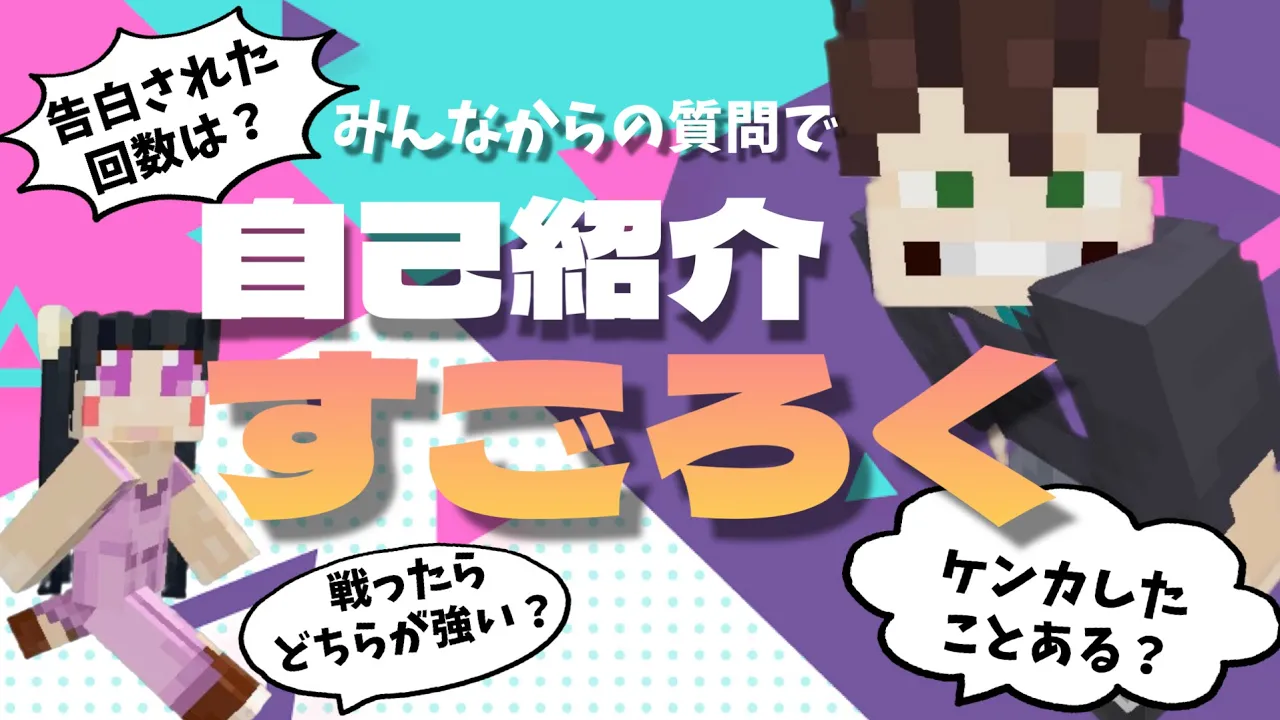
Self-Introduction Sugoroku

A self-introduction sugoroku where you answer the question written on the square you land on might let you enjoy fun and thrills at the same time.
From harmless prompts to deep questions, even close friends or couples might reveal things they didn’t know about each other.
However, if couples are playing, the mood can turn sour depending on the questions, so creators should tailor the questions to the participants.
Within a close group, it can turn into a lively tell-all session—making for a thrilling game of sugoroku.

board sugoroku

This is a board game said to have existed in Japan since ancient times, and it also appeared in the NHK historical drama “Kirin ga Kuru.” The ends of the spaces on the upper and lower rows are divided into each player’s territory, and the goal is to bring your pieces that are outside your territory back into it.
The rules are simple: roll two dice and move your pieces by the numbers shown.
However, the strategy lies in deciding which of your ten pieces to move and how.
There’s also a rule that you cannot land on a space where the opponent has two or more pieces, so you can enjoy not only aiming for your own victory but also figuring out how to obstruct your opponent.

Made in Abyss Sugoroku

This is a board game (sugoroku) based on the story of the popular fantasy manga Made in Abyss.
Instead of competing to see who reaches the goal first like in a typical sugoroku, the game proceeds with the rule that the person who earns the most story-aligned points along the way wins.
Of course, if not everyone in the group knows the story, some players may end up feeling unsatisfied, but if there’s another work you all like, it could be fun to adapt the rules to that instead.
It’s a sugoroku that gets more exciting precisely because it has a pinpoint theme—the more niche you make it, the more enjoyable it becomes.
Sound-Count Sugoroku

This is a sugoroku-style board game where you roll a die with pictures instead of numbers and move forward by the number of syllables in the picture’s name.
For example, you move 2 spaces for “kani” (crab) and 4 spaces for “raion” (lion).
Because you move based on sound counts, it’s great for children’s language development.
If you don’t have a die at home, you can substitute picture cards.
For older children, try an adaptation: use a regular die, and only move if you can say a word that has the same number of syllables as the number rolled.
This encourages thinking about words, so give it a try.
TikTok Sugoroku

This is a sugoroku-style board game where you can’t advance unless you sing the chorus of a “song that went viral on TikTok” as instructed on the square you land on.
Even if you roll a high number on the dice, you’ll be sent back to your original position if you can’t sing the designated song, making it quite challenging.
Also, be aware that if members have uneven knowledge, the difference in enthusiasm can show.
If you play with friends who keep up with TikTok, it becomes a speed competition; if you play with those who aren’t very familiar with TikTok, the game turns into a hilarious experience.
It’s a sugoroku that uses modern tools and is geared toward younger generations.
Sugoroku Exercises for Seniors

Sugoroku Exercises are a board-game-style routine that turns seniors’ daily calisthenics into a fun game.
Participants form a spaced-out circle, roll a die, and everyone performs the exercise written on the square they land on.
Unlike regular exercise sessions, you won’t know the order, number of repetitions, or types of movements until you roll the die, so it lets you enjoy a game while breaking the monotony of a standard workout.
Since it’s important for seniors to keep moving regularly, this Sugoroku is a great way to maintain motivation—definitely give it a try.
Gojuon Sugoroku Game

The “Gojūon sugoroku,” where you fill a grid with sentences that start with designated kana from the Japanese syllabary, is fun because you can tailor the rules to the participants’ ages and personalities.
If you’re playing with children who have just learned the syllabary, coming up with prompts together can also be part of the learning process.
You can certainly enjoy it using only the standard set of sounds, but for adults, creating prompts that include voiced and semi-voiced sounds in addition to the basic 50 sounds increases the number of squares and makes it more mentally engaging, so you can have fun from the creation stage as well.
It’s a highly recommended sugoroku that also lets you showcase your sense for good prompts.