

Four-character idioms wishing happiness: a collection of heartwarming expressions for everyday use

We all want to live each day in good health and happiness…
In these precious words, filled with that earnest wish, we find healing and peace of mind.
Four-character idioms that express our hopes for the happiness of family and friends, as we walk together through life’s joys and challenges, carry deep meaning and warm compassion.
This time, we introduce common four-character idioms that wish for the well-being of the mind and body and a richer life for those dear to us.
We hope you enjoy encountering these heartwarming words that bring energy to everyday life and to new beginnings.
- Four-character idioms that wish for happiness! Words that will warm the hearts of elementary school children
- Become positive with four-character idioms that resonate with the heart! Common yet deeply meaningful words.
- Enrich your heart with beautiful four-character idioms! A collection of expressions you'll want to use in everyday life.
- General: Four-character idioms that encourage determination—powerful, heart-stirring words
- Four-character idioms that help you achieve goals! Phrases you can use in everyday situations
- [Kakizome] Four-character idioms fit for the New Year: Introducing words that resonate with the heart and their meanings
- Four-character idioms for New Year’s resolutions! A collection of motivational phrase ideas
- Easy-to-remember, positive four-character idioms for elementary school kids! Words that brighten the heart
- Four-character idioms of love that touch the heart: expressing deep affection in everyday words
- [For Elementary Students] A Collection of Beautiful Four-Character Idioms to Know
- Amusing four-character idioms you’ll want to use right away! A collection of expressions to remember as general knowledge.
- [Elementary School Students] Perfect for Kakizome! A Collection of Four-Character Idiom Ideas
- Recommended for elementary school class goals! A collection of impactful ideas using four-character idioms
Four-character idioms for wishing happiness: A heartwarming collection of everyday expressions (11–20)
Safety and well-being of one’s household
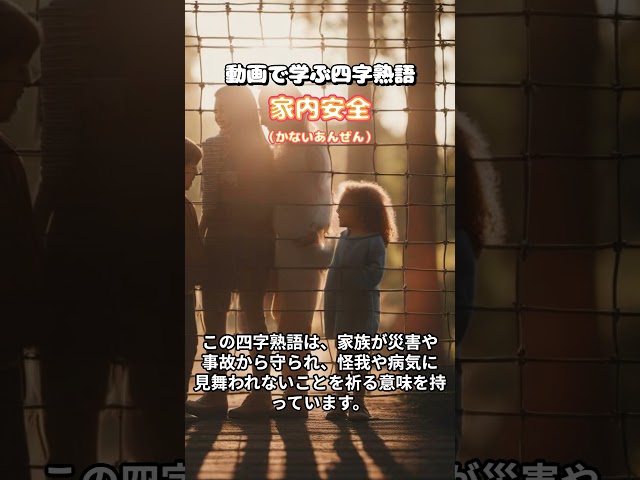
This is a four-character idiom that expresses a wish for the health, happiness, and stability of the entire family.
In everyday life, nothing is more reassuring than having a family that is lively and gets along well.
The phrase not only prays for safety, but also conveys a spirit of caring for one another and valuing peace in the home.
For example, it includes treasuring small conversations amid busy days and being attentive to the family’s health.
It has long been used as a symbol of wishing for happiness in daily life, and it is a phrase worth keeping in mind—one that brings calm and smiles to the household.

a clear and serene mind

It’s not a phrase you hear often in everyday life, but it’s used at decisive moments—whether in a crucial contest or when making a major life decision.
Pronounced “meikyō shisui,” 明鏡 (meikyō) means a “polished mirror without a speck of cloudiness,” and 止水 (shisui) means “still, unmoving water.” For example: “Even against a strong team, his mind was as clear as meikyō shisui,” or “After long deliberation, I’ve made my decision, and my mind is meikyō shisui.” Try using it in situations involving important decisions or pivotal challenges.

pure breeze and bright moon
It depicts a serene, composed scene in nature—clear wind and a bright moon.
Free of anything superfluous, it conveys a purity that seems to lighten the heart.
Thinking of the refreshing breeze on a summer night or a round moon floating in the sky brings peace of mind.
You could say this phrase also carries the message: “Keep your heart calm and face things with honesty.” Even on irritating days, recalling these words can help your feelings settle.
It reminds us not to forget to take time to clear our minds amid our busy daily lives.
It is a four-character idiom that teaches the importance of that mindfulness.
Gentle face, loving words

It’s a term that means “a gentle smile” and “kind, considerate words.” It’s an expression that teaches the importance of facing others with a warm smile and speaking to them with heartfelt words.
For example, asking a friend who’s in trouble, “Are you okay?” or quietly offering words of encouragement to someone who’s feeling down after a failure are perfect examples of ‘wagō aigo.’ One of the appealing aspects of this concept is that you don’t need to do anything grand; it can be practiced in small, everyday moments.
Even simply greeting someone with a smile can lighten their mood a little and warm their heart.
You could say that the accumulation of such small acts of kindness softens the atmosphere around us.
Add flowers to brocade (to embellish something already beautiful; to make a good situation even better)

This expression is a four-character idiom that originally comes from the image of adding flowers on top of a beautiful brocade.
It describes something already wonderful being enhanced by something even more delightful.
For example, when you work hard and achieve good results, receiving warm words from others makes your joy even greater.
That is exactly what “kinjō tenka” (adding flowers to brocade) conveys.
If we can notice someone’s strengths or achievements and add words that make them even happier, our days might become gentler and more colorful.
It’s a four-character idiom with a beautiful ring that reminds us of that feeling.
triumphant; elated; full of high spirits
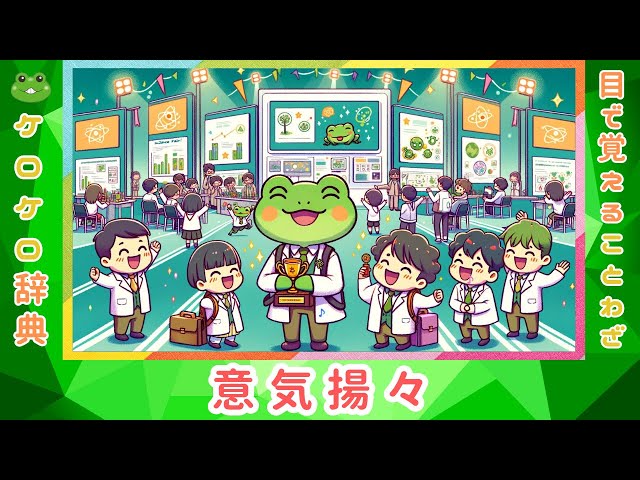
This four-character idiom is often used in positive situations where someone’s expression is radiant because things are going well.
It’s commonly used when someone feels proud after achieving a goal or returns victorious from a competition.
“Iki” refers to one’s frame of mind, while “yōyō” conveys a sense of pride or triumph.
Try using it in moments filled with joy and confidence, such as: “He won the contest and came back in high spirits,” “He was brimming with confidence after being entrusted with a new job,” or “She won the lottery and returned in a triumphant mood.”
Four-character idioms wishing happiness: A collection of heartwarming expressions usable in daily life (21–30)
A sudden resolve; making a firm decision (to start afresh).

Ichinen-hokki originally comes from Buddhist terminology and means to rouse the mind single-mindedly in pursuit of enlightenment.
By extension, it is used when one makes a firm resolution to accomplish something.
Since many people want to start something new in the New Year, why not adopt this phrase as your resolution? Even if you haven’t decided exactly what to do, you can choose this word to express the feeling of “Let’s try something new.” A year may seem long, but it passes in the blink of an eye, so it’s nice to start at least one new thing and become a different version of yourself from last year.
