

Masterpiece anime that Heisei-born people feel nostalgic about

Japan’s great culture: anime.
Over the years, many masterpieces have emerged, but the Heisei era was a golden age for anime, with numerous works still talked about today.
This time, we’ve picked out anime from that very Heisei era.
What’s more, we’ve focused on titles that people born in the Heisei era will find nostalgic.
As a result, you’ll see a steady stream of classics from the early to mid-Heisei period!
From mainstream Jump series to Kyoto Animation works, and even bishoujo-style titles, we’ve selected from all kinds of genres—sure to bring back memories of those days.
- [Nostalgic] Classic and Popular Anime Songs Recommended for People in Their 30s
- Calling all 20-somethings! A roundup of nostalgic anime from the 2000s to the 2010s
- [Nostalgic & Latest] A Special Feature on Anime Songs Recommended for People in Their 20s
- Anisongs that were hits in the 2000s: a nostalgic collection of legendary tracks
- Recommended popular anime from the 2000s
- Great anime songs that colored the Heisei era
- [Top 20] Anime Song Sales Ranking of the Heisei 30 Years!
- [From 2010 onward] A roundup of anime that teenagers feel nostalgic about
- [Latest & Greatest] A Special Feature on Anime Songs Recommended for Teens
- Recommended anime songs for people in their 50s. Classic and popular anime theme songs.
- Songs from the Heisei retro era that will get any generation excited! Timeless tracks you’ll want to listen to now.
- Including global smash hits! Anime songs recommended for Gen Z
- [Heisei Songs] Classic hits from the Heisei era that are popular on Instagram Reels
Classic Anime That Millennials Find Nostalgic (21–30)
Digimon Adventure

The anime Digimon Adventure, which aired in 1999, is a story about children who get lost in another world and embark on an adventure.
Their encounters with Digimon in the Digital World, and the way each of them grows and deepens their bonds throughout their journey, resonated with viewers.
The unique personalities and action of the Digimon are part of the appeal, and the emotion and intensity come through especially strongly in the evolution scenes.
The children each struggle with their own issues, and many viewers likely related to watching them move forward while grappling with their worries.
Fruits Basket

Based on the manga by Natsuki Takaya, Fruits Basket is a work whose popularity is clear from the fact that it was adapted into an anime in 2001 and then remade in 2019.
The story follows the protagonist Tohru Honda, who ends up living in the home of her classmate Yuki Sohma due to an unexpected turn of events, and gradually learns the secrets of the Sohma family through their daily life.
The unique characters themed around the Chinese zodiac, as well as the way each one confronts their personal struggles, are key points of interest.
Its touching portrayal of family bonds and personal growth resonated with a wide audience and earned broad support.
Detective Conan
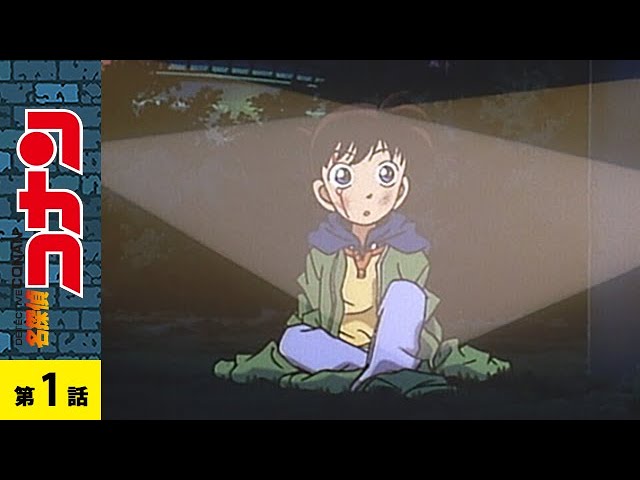
Detective Conan is a mystery anime about Shinichi Kudo, a high school detective who is forced into a child’s body by a mysterious organization and solves numerous difficult cases as elementary schooler Conan Edogawa.
Since its debut in 1996, it has been loved by audiences of all ages as a nationally beloved series.
In addition to its authentic mystery elements with intricate tricks, its distinctive characters are a major draw, and the story’s shifts from comedic to serious keep viewers engrossed.
Not only the TV anime but also the feature films attract attention, giving the impression of a franchise whose momentum shows no sign of slowing.
Revolutionary Girl Utena

Revolutionary Girl Utena, which aired in 1997, is a work that depicts the struggles of a girl named Utena Tenjou, who admires princes and wishes to become one herself.
Beyond its experimental direction and avant-garde visual expression, it drew attention for exploring universal and profound themes such as adolescent turmoil, sexuality, and questioning established values.
Perhaps the greatest appeal of the series lies in the human drama woven by its distinctive characters, including the protagonist Utena and Anthy.
Even those who found it hard to understand at the time may discover new insights when they revisit it as adults.
Chibi Maruko-chan

Based on the manga by Momoko Sakura, this work has continued to be loved by people of all ages since it began airing in 1990, to the point that it can be called a national anime.
Through the perspective of the protagonist, Maruko, nostalgic Showa-era scenery and the small happenings common in childhood are depicted with humor.
A key point is that the main character reflects the author, Momoko Sakura, and together with her distinctive friends, the everyday lives of children at the time are conveyed with a comedic yet realistic touch.
It’s a series that reminds us of the important things in daily life—family bonds, friendships, and the small joys of everyday moments.
Fushigi Yûgi

The anime Fushigi Yûgi tells the story of Miaka Yūki, the protagonist who is drawn into a book set in ancient China called The Universe of the Four Gods, where she carves out her destiny as the Priestess of Suzaku.
Its unique world, reminiscent of ancient China, and the plot that sweeps her up in the duties of a priestess are especially compelling.
The interactions with a cast of distinctive characters are another highlight, and viewers are drawn in by the romances that unfold.
While featuring themes like the Four Symbols and the Twenty-Eight Mansions of ancient China, it also incorporates elements of the Five Phases theory and Nansō Satomi Hakkenden, so many people may have learned these terms through the series.
Rurouni Kenshin: Meiji Swordsman Romantic Story

Rurouni Kenshin: Meiji Swordsman Romantic Story is a work that portrays how a swordsman said to be the strongest at the end of the Edo period lived on in the Meiji era.
It depicts the protagonist, Kenshin Himura—once feared as the manslayer Battōsai—taking a vow never to kill and helping those in need.
The story is compelling, from Kenshin’s past and inner turmoil to his interactions with a cast of fascinating allies and his ferocious battles with arch-enemies.
The intense action set in a world like a period drama stirred the hearts of viewers.
It is a long‑loved series that helped support Shonen Jump’s golden age.