

Cool songs of the Heisei era. Hit tracks that energized the times.

The Heisei era saw the birth of countless masterpieces, with many works achieving million-selling hits.
Thanks in part to revival hits, many songs from the Heisei era continue to be listened to and passed down even as times change.
In this article, we’ll carefully select and introduce some of the coolest tracks from Heisei-era hit songs!
We’ve gathered a variety of cool songs, including classics from bands that represent Japan, tracks from blockbuster films, and songs that leave you feeling refreshed.
You might even find a song that fired you up back in the Heisei days!
Whether you’re from the heart of that generation or new to these tunes, give them a listen and get pumped!
- Heisei Song Collection: Iconic Hits That Colored the ’90s and 2000s
- Emotional songs from the Heisei era. Nostalgic tracks that really hit you.
- Heisei-era masterpieces. Hit songs that represent the Heisei period.
- An energizing song that was a hit in the 2000s—a classic that gives you strength.
- Just listening will lift your spirits! Energetic and cheer-up songs that defined the Heisei era.
- A collection of nostalgic hits from the Heisei era: Let’s look back at iconic songs from the 1990s and 2000s.
- [Heisei Songs] Classic hits from the Heisei era that are popular on Instagram Reels
- Songs that hype you up just by listening—recommended tracks from timeless classics to the latest releases
- From emotional tracks to exhilarating tunes! Heisei-era youth songs
- From rock numbers to dance tunes! Cool songs of the Reiwa era
- Guaranteed to make you want to dance! Dance tracks that defined the Heisei era
- A revival hit driven by social media! Heisei-era masterpieces that are resonating with Gen Z today
- A Must-See for the Heisei Generation: Nostalgic Songs That Were Popular in the Heisei Era
Cool songs of the Heisei era: hit tracks that energized the times (21–30)
Get fired upDaikoku Maki

When it comes to NHK’s broadcast theme song for the Atlanta Olympics, this is probably the first track many people think of.
Released as a single in July 1996, it became a massive hit, reaching No.
1 on the Oricon charts.
The lyrics portray the frustration of not being able to be honest with oneself, along with the determination to move forward with passion anyway—paired with powerful high-note vocals that resonate deeply with listeners.
Also included on the album “POWER OF DREAMS,” this energetic anthem is perfect for psyching yourself up when it really counts or getting hyped while watching sports.
FIREWORKSEXILE

A fiery dance number that layers the passion of love over fireworks coloring the summer night sky.
Released by EXILE in July 2009 as their 31st single, the track stands out with its East-meets-West sound that fuses the tones of the shamisen with rap, instantly reviving that exhilarating summer feeling.
It debuted at No.
1 on the Oricon weekly chart and ranked 12th on the year-end chart.
The lyrics, which sing of passionate love like fleetingly brilliant fireworks, are sure to stir your heart.
Listen to it before a summer festival or fireworks show, and your excitement will definitely soar.
AutomaticUtada Hikaru
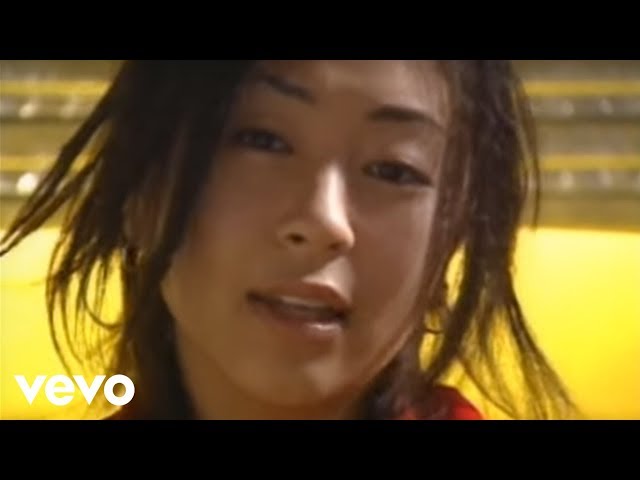
Utada Hikaru’s debut single stylishly expresses the feeling of overflowing love that can’t be contained just by being near someone.
It portrays the pure emotions of waiting for the phone to ring and the sense of relief that comes from hearing the other person’s voice, vividly capturing the complex heart of a girl in love, where joy and anxiety intertwine.
Released in December 1998, the song was used as the ending theme for the variety show “Warau Inu no Seikatsu – YARANEVA!! -” and quickly became a social phenomenon, achieving double-million sales.
The gals of the time surely resonated with its raw, authentic emotions.
Real Thing ShakesB’z
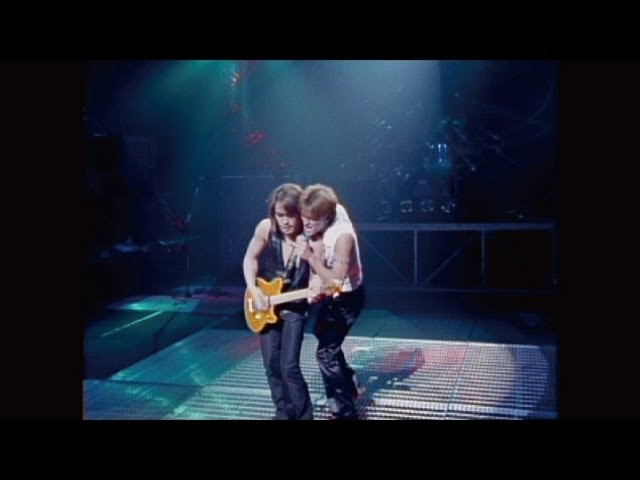
B’z, the rock unit that has built numerous milestones.
Released in May 1996, this work drew attention for its unprecedented format: a one-coin single with no B-side.
Chosen as the theme song for the drama “Watch Out for Us,” it became their 13th consecutive million-selling single, setting a new all-time record at the time.
Produced by Andy Johns, known for his work with Led Zeppelin, it’s a hard rock number performed entirely in English.
The sound woven by Takahiro Matsumoto’s heavy guitar riffs and Koshi Inaba’s soaring high-tone vocals is nothing short of breathtaking.
JAMTHE YELLOW MONKEY

THE YELLOW MONKEY is a band that steadfastly upholds its own aesthetic, grounded in glam rock.
Released in February 1996, this song is a heavy rock ballad whose piercing, earnest message resonated widely.
It portrays a sharp gaze toward society and a thirst for life—touching on everyday loneliness and the unease felt toward overseas news coverage.
It was used as the ending theme for NHK’s music program “Pop Jam,” and its coupling track became the theme song for the anime Rurouni Kenshin.
When you want to feel the human vulnerability and quiet prayer that lie behind the dazzling sound, this is a track well worth listening to.
S.A.K.U.R.A.Sandaime Jē Sōru Burazāzu fromu Eguzairu Toraibu

While incorporating a delicate sense of Japanese aesthetics, this song also carries a powerful energy.
Released in March 2014 as a single by Sandaime J SOUL BROTHERS, it overlays the transience of cherry blossoms with the brilliance of life.
The innovative sound blends traditional Japanese instruments with dance beats, and its melody vividly paints beautiful scenes.
The track was also selected as the ending theme for TV Asahi’s “Onegai! Ranking” in March and is included on the album PLANET SEVEN.
It’s a perfect song for the spring season when new beginnings start, as well as for graduation and farewell moments—be sure to give it a listen when the cherry blossoms are in bloom.
WILD HEAVENTMN

It’s a rock number that captures the exhilaration of speeding down the highway at night and the drama of an urban romance! Released in November 1991 as their 26th single, it was chosen as the opening theme for the TV Asahi drama “Lullaby Detective ’91.” It topped the Oricon weekly chart, sold about 399,000 copies, and earned a Platinum certification.
With TMN’s signature fusion of synth sounds and rock, it conjures the image of two people racing past glittering city lights and soaring skyscrapers.
It’s the perfect track for a nighttime drive.