

[Heisei Love Songs] A carefully selected collection of gem-like love songs that continue to be cherished even in the Reiwa era!

From bittersweet unrequited-love songs to happy mutual-love tunes, love songs are timelessly filled with masterpieces!
They especially tend to resonate with those in the midst of romance.
In this article, we’re featuring “Heisei Love Songs”—romance tracks that were released and became hits during the Heisei era.
These are all songs that drew a lot of attention at the time, so many of you can probably sing along.
You’ll no doubt find yourself thinking, “I used to listen to this so much!” and sinking into a wave of nostalgia.
They’re sure to make for a lively karaoke session if you go with a “Heisei Love Songs only” theme, don’t you think?
- Love songs that were hits in the 2000s. Classic and popular Japanese songs.
- A roundup of hit love songs from the ’90s
- Unrequited love songs of the Heisei era. Those nostalgic classic tunes.
- Heisei-era masterpieces. Hit songs that represent the Heisei period.
- Heisei-era heartbreak songs: A roundup of classic tracks from the ’90s to the 2010s
- Recommended for couples! Reiwa-era love songs that warm the heart
- Songs that make you want to fall in love just by listening! Classic love songs recommended for Gen Z
- Bittersweet feelings come rushing back! Recommended love songs for the Yutori generation
- [Heisei Songs] Classic hits from the Heisei era that are popular on Instagram Reels
- From bittersweet tracks to heart-wrenching tunes! Heisei-era unrequited love songs
- Popular Love Songs & Romance Tracks Ranking [2026]
- Songs to give to your lover or someone you like. Love songs devoted wholeheartedly to your boyfriend or girlfriend.
- Songs from the Heisei retro era that will get any generation excited! Timeless tracks you’ll want to listen to now.
[Heisei Love Songs] A curated selection of exquisite love songs that continue to be cherished in the Reiwa era! (21–30)
366 daysHY

A four-member mixture band, HY, based in their hometown of Okinawa, is known not only for their music but also for producing a natural brand.
This song, used as the theme for the film “Threads of Destiny (Akai Ito),” is a ballad included on their 5th album, “HeartY.” The lyrics, said to be drawn from member Izumi Nakasone’s real experiences, evoke the raw emotions after a breakup alongside a heartrending melody.
A straightforward message to someone unforgettable tightens the heart—one of HY’s signature songs that continues to be sung across generations.

May it be filled with kindnessJUJU

This is a rock ballad by JUJU released in 2009.
As the theme song for Nissan’s Cube commercial, it touched the hearts of many.
The lyrics express deep gratitude to the person who taught the singer the meaning of life at times when, amid unchanging days, she felt she might lose sight of what truly matters.
JUJU’s powerful yet delicate vocals convey a straightforward resolve to keep loving, even when apart.
It’s a timeless song that gently stays by your side when you want to renew your feelings for someone important or when you need a little warmth in your heart.
[Heisei Love Songs] Carefully selected gems of love songs that continue to be adored in the Reiwa era! (31–40)
to youMONGOL800

Despite never being released as a single, this signature song by MONGOL800 has been featured in a variety of places, including insert tracks that color a film’s final scene, drama opening themes, and commercials.
In 2001, the album MESSAGE—featuring this track and the well-known classic Chiisana Koi no Uta—was released and became a huge hit, cementing Monpachi’s popularity.
Its straightforward lyrics about love and its fresh, powerful sound give courage and energy to both singers and listeners.
Why not sing it while reminiscing about a page from your youth?
The Day Love Was BornFujitani Miwako, Ouchi Yoshiaki

A duet song emblematic of the Heisei era, its beautiful harmony and bittersweet lyrics resonate deeply.
Released in February 1994 as a collaboration between actress Miwako Fujitani and musician Yoshiaki Ouchi, it became widely known as an insert song for the TV drama “To You Who Will Eventually Marry.” With gentle rises and falls in pitch and an easy-to-follow rhythm, it’s comfortable to sing even for those unsure of their vocal technique.
The clearly divided male and female parts and the mutually supportive structure are also appealing.
It’s an ideal choice when you want to create a warm atmosphere while sharing a mic with someone at occasions like office year-end parties or social gatherings.
beetle (specifically, a rhinoceros beetle)aiko

A singer-songwriter whose lyrics every woman can relate to and whose inventive melodies and chord progressions continue to captivate fans, aiko released this as her fourth major-label single.
The song was used as the ending theme for the music show CDTV and the variety show Jobireba!?, and its unusual themes and expressions for a love song are undeniably catchy.
Its lyrics—whose worldview makes perfect sense once you listen—and its heartrending melody likely moved many listeners, especially women.
Even as the era has shifted to Reiwa, it remains a beloved, one-of-a-kind track—an emblematic love song of the Heisei era.
Baby, I love youTEE

This is the second single by singer-songwriter TEE, whose distinctive musical sensibility shines through in his self-taught vocals and composition, creating songs from melody ideas born out of intuitive, humming-based inspiration.
Known for multiple tie-ins, including the music program COUNT DOWN TV, and for numerous covers by various artists, this track is one of TEE’s signature songs.
The melodious rap laid over acoustic guitar and the heartfelt chorus blend with the clumsy yet sincere message of love to strike a chord in the listener.
Including cover versions, it has surpassed 10 million downloads, making it a Heisei-era classic that stands out in J-POP history.
spoiled childOtsuka Ai
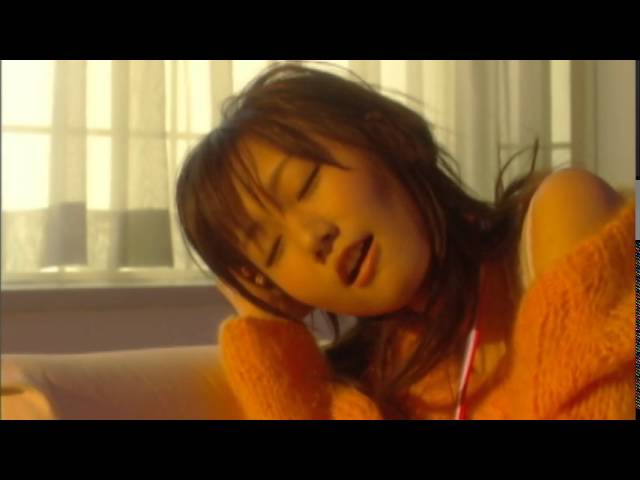
A masterpiece that portrays the bittersweet heart of a girl who can’t be honest in front of the one she likes.
Released in March 2004 as Ai Otsuka’s third single, this song is also well known for its use in Sato Pharmaceutical’s “Stonarhini S” commercial.
The lyrics capture the feelings of a clumsy girl who puts on a brave face even though she really wants to be affectionate—resonating deeply with the gals who blazed through the Heisei era.
The gentle piano tones and Ai Otsuka’s emotional vocals vividly express the wavering feelings of love.
It’s perfect for when you want to confess your feelings to someone you adore, or when you want to show a touch of endearing charm at karaoke.