

Ken Hirai's classic and popular songs

Let me introduce you to songs by singer-songwriter Ken Hirai.
His charm lies in his high, beautiful vocals and rich expressiveness.
He has many famous songs, such as Rakuen, Hitomi wo Tojite, and Ookina Furudokei, which helped ignite his popularity.
He’s apparently a huge Southern All Stars fan, and it’s said that back in his student days he even delivered a demo tape to Keisuke Kuwata’s home.
Ken Hirai’s greatest and most popular songs (1–10)
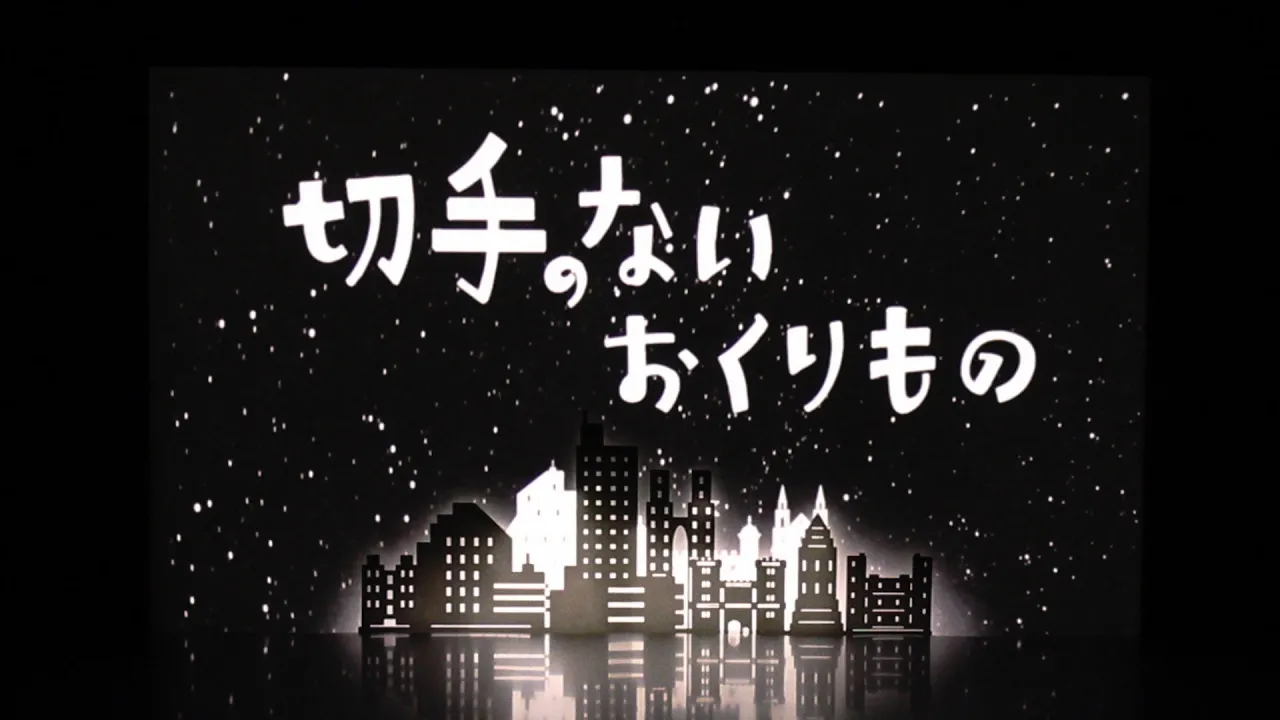
A Gift Without a StampHirai Ken

This work, originally crafted by Kazuo Zaitsu and released in 1977, is covered here with Ken Hirai’s warm vocals.
Its simple melody, which cherishes the warmth of the words, gently soothes the listener’s heart.
It was included on the album “Ken’s Bar III,” released in May 2014, and chosen as the theme song for the film “Tsukuroi Tatsu Hito,” which premiered in January 2015.
When you want to express gratitude to someone special or need background music for a slideshow that looks back on memories, selecting this song will fill the moment with gentle warmth.
Dear daysHirai Ken

Produced by Kiyoshi Matsuo for the first time in ten years to cap off the 15th anniversary, this exquisite ballad, tinged with sadness yet evoking hope for the future, was released on May 4, 2011 as the theme song for TBS’s Sunday drama JIN: The Final Chapter.
The song spans a very wide vocal range from G#2 to C5, with a clear structure where the range gradually rises from the A verse to the B verse and then the chorus.
The low notes in the A verse are pitches you don’t often use, so be careful not to let your voice get muffled.
Take a deep breath and project your voice forward, letting the air flow.
The start of the chorus uses phonemes that make falsetto easy to produce, so if you really let your head voice resonate, you should be able to hit the notes without any problem.

LIFE is… ~another story~Hirai Ken

This is a renowned ballad that was rearranged from a track on the 2003 album “LIFE is…” and released as a single the same year as the theme song for the drama “The Life of Quill, the Seeing-Eye Dog.” Even in difficult circumstances, it expresses the “truth” of facing forward and living on, conveyed through Ken Hirai’s poignant yet warm vocals, making it a song that’s extremely popular among fans.
With its beautiful sound highlighted by piano and string accompaniment, it’s also a personal favorite of mine.
The verse sits in the low range and the chorus leaps into the high range, creating a large contrast, so be sure to lift your facial muscles from the start to avoid your pitch dropping.
Even as the melody changes, if you focus on projecting all your voice from your temples, you’ll find it easier to sing.
Because it won’t reach / Because it doesn’t reachHirai Ken

This is a ballad written as the theme song for the film “50 First Kisses,” starring Takayuki Yamada and Masami Nagasawa in dual leading roles.
It sings of a bittersweet love for someone whose memory resets every day, and the music video’s clown dance in a tatami room became a hot topic.
The vocals over a light electric guitar are particularly striking.
The key point is the chorus’s choppy, start-and-stop melodic line, where the singer intentionally inhales and exhales during the breaks to let you enjoy the sound of the breath.
Try singing it with an easy touch, without overexerting yourself.
NonfictionHirai Ken

Based on the artist’s real experience of losing someone close, this medium-tempo ballad explores views on life and death and loneliness, and served as the theme song for the TBS drama “A Little Giant” in the April 2017 season.
Kenshi Hirai himself said it “cuts into the dark side of life,” and it’s a masterpiece that expresses an earnest questioning of death and a sense of loss.
The chorus is famous, so I think many people know the song.
The overall vocal range is C3–A4, and the falsetto in the chorus is especially distinctive; if you can’t hit that comfortably, the performance can feel underwhelming.
Rather than belting in chest voice, sing more strongly in falsetto.
Try placing a hand on the back of your head and imagine sending your voice in that direction as you sing.
Make my heartHirai Ken

This is the theme song for Doraemon the Movie: Nobita’s Great Adventure in the Antarctic Kachi Kochi, released on March 1, 2017.
It was her first anime theme song, written to evoke the bond between Doraemon and Nobita—a touching medium ballad that resonates with the heart.
The accompaniment is piano throughout, and if you sing without rushing, the tempo shouldn’t run.
Since it’s basically sung gently, lightly resonating in the nose and head as if you were humming will suit the atmosphere perfectly.
When humming, use plenty of breath as if you’re humming a tune.
Be careful not to produce the sound in your throat, as that will turn into a throaty voice.
Can I call it magic?Hirai Ken

It was written as the theme song for the Panasonic LUMIX GX7 Mark II commercial featuring Haruka Ayase and went on to become a long-running hit.
It’s a quiet, love-filled ballad where the acoustic guitar tones resonate with Ken Hirai’s vocals.
The overall vocal range of the song is F2–B4, and compared to other songs, the high notes aren’t unexpectedly that high, making it a range that seems singable in falsetto.
In fact, Ken Hirai sings it softly in falsetto to create a bittersweet mood, so it’s best to sing with the sensation of releasing a thin stream of sound from the top of your head.
For the low notes in the A section, be sure to raise your eyebrows and take care not to strain your throat.