


Masterpieces and popular songs by Gen Hoshino

Let me introduce you to the music of Gen Hoshino, a singer-songwriter who is active not only as a musician but also as an actor, writer, and video director.
Before starting his solo career in 2011, Gen Hoshino was a member of an instrumental band called SAKEROCK.
He later began appearing in TV dramas, and today he successfully balances his music and acting careers, earning support from a wide range of generations.
His songs are irresistibly appealing for their pop, catchy, and accessible melodies, and combined with his humorous personality, they’ve gained tremendous popularity.
Now, let this playlist make you fall under the spell of Gen Hoshino’s charm.
Gen Hoshino’s Greatest and Most Popular Songs (1–10)
SUNHoshino Gen

You could say this song was Gen Hoshino’s breakout work.
It first came into the public eye when it was chosen as the theme song for “Kokoro Pokitto ne,” starring Sadao Abe.
It’s well known that the lyrics are dedicated to Michael Jackson, whom Hoshino deeply admires.
As a bit of trivia, there’s a famous story among fans that the title “SUN” came from a play on words with “Sanbirecchi,” a nickname for his close friend in private life, Bananaman’s Himura.
monsterHoshino Gen

It’s a powerful song by Gen Hoshino that brings to light the emotions of people living through the absurdities of everyday life.
Included on the album “Stranger,” it was released in May 2013.
The lyrics depict the gap between onstage performance and the loneliness of private life, showing how one fulfills the role of an actor while experiencing inner conflict and growth.
Overlapping with Hoshino’s own experiences, the piece reflects how he overcame a serious illness and was reborn into a new self.
It suggests that small moments in daily life can become catalysts for change, giving hope for being reborn into a new version of oneself.
Week EndHoshino Gen

A track included on Gen Hoshino’s 4th album, YELLOW DANCER.
It’s a new song.
With a chorus sung mostly in falsetto and the use of electronic sounds, I think it’s a rare type of song for Gen Hoshino.
The chorus lyrics feel sweet to me, as if they bring to mind someone you’re fond of.
IdeaHoshino Gen
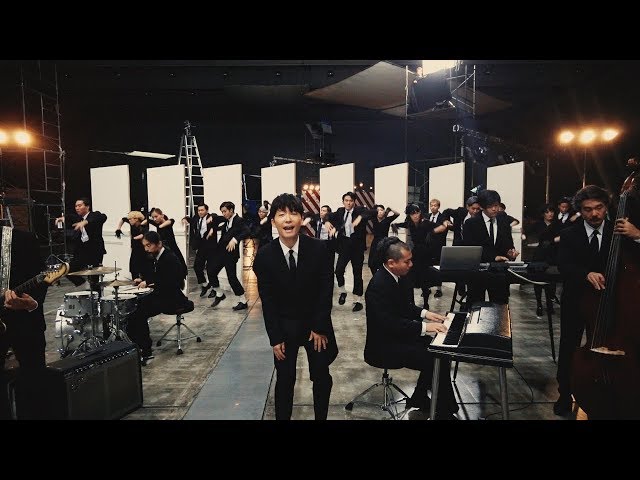
A marimba appears first when you play the music video.
What’s even more surprising is that it’s Gen Hoshino playing it! He’s apparently loved the marimba for a long time and has been playing it since his SAKEROCK days.
The marimba in the instrumental break after the chorus is especially striking.
From the second verse, he also makes active use of synthesizers, turning it into a song with that uniquely mysterious world that’s so characteristic of him.

DoraemonHoshino Gen
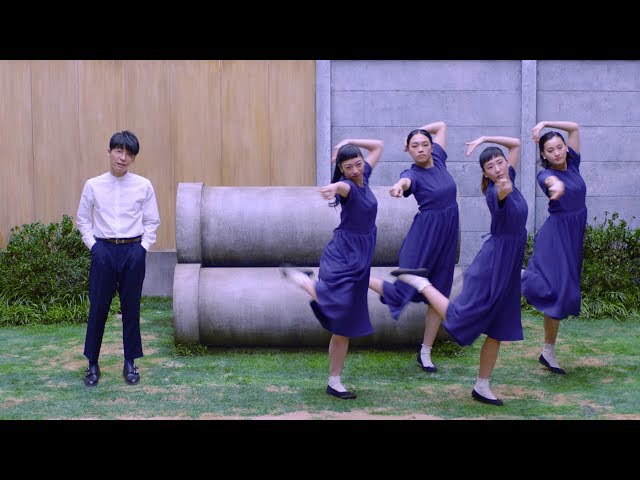
This is a song written as the theme for the feature film of the beloved national anime, Doraemon the Movie: Nobita’s Treasure Island.
Throughout the track, the distinctive rhythm stands out—many listeners may feel it somehow has that unmistakable “Doraemon song” vibe, even though it’s not the same tune.
The lyrics are also packed with Doraemon flavor.
The familiar sliding fusuma doors appearing in the music video and the choreography incorporating contemporary dance are also captivating.
Why Don’t You Play in Hell?Hoshino Gen

This is a song produced as the theme for director Sion Sono’s film “Why Don’t You Play in Hell?”.
It also expresses the “pain” and “hardship” Hoshino Gen experienced when he was hospitalized with a subarachnoid hemorrhage, while at the same time encouraging you with the message, “What’s wrong with being in pain?” and “So what if it’s hard?”.
In the film “Why Don’t You Play in Hell?”, he also appears as a man who gets swept into hell before he knows it, and Hoshino Gen is captivating as an actor as well.
2 (feat. Lee Youngji)Hoshino Gen

Singer-songwriter Gen Hoshino, who showcases his talents across a wide range of fields, has released his first album in about six and a half years, Gen, in May 2025—a work that reaffirms the depth of his musicality.
The music video for a track from the album, featuring rapper Lee Youngji—who enjoys immense support in South Korea—was released in September of the same year and sparked major buzz.
The composition, which layers Hoshino’s groovy track and refreshing vocals with Lee Youngji’s powerful rap, is truly one of a kind.
The lyrics, depicting two distinct identities born in different places becoming one through music, fill listeners with positive energy.