

[Hyogo Songs] A Collection of Local and Love Songs Set in Hyogo

What comes to mind when you hear “Hyogo”? For many, it’s likely a stream of charming images: stylish cityscapes, delicious cuisine, renowned hot spring resorts, rich arts and culture, and more.
In this article, we’ve gathered songs set in Hyogo Prefecture.
From enka that sings of bittersweet romances, to local tunes beloved by residents, to pieces that supported post-earthquake recovery—enjoy to your heart’s content these “Songs of Hyogo,” performed by artists from Hyogo and musicians who love the region!
- Enka songs about Kobe: a collection of famous tracks celebrating the city's port and streets
- Classic Songs About Nara: Local Anthems and Popular Hits [2026]
- [2026] A roundup of artists, singers, and bands from Hyogo Prefecture
- [Song of Osaka] A selection of passionate, warm-hearted Osaka tunes
- [Kyoto Songs] Masterpieces that sing about Kyoto — songs themed on the ancient capital. The enduring heart of our hometown passed down in song.
- [Local Songs] Recommended tracks packed with Japan’s nationwide classics and hometown pride
- [2026] Classic songs themed on Kochi: A roundup of local songs and municipal anthems
- A classic song about Nagano. The enduring spirit of our hometown passed down through song.
- [Hiroshima Songs] The Heart of Our Hometown Passed Down in Song | A Curated Selection of Timeless Classics Loved Across Generations
- A roundup of regional enka songs: classic hits that feature places from all across Japan in their lyrics.
- [Songs of Yamaguchi] Introducing local tunes filled with hometown love and tracks related to Yamaguchi
- [Okayama Songs] A roundup of local anthems and classic hits brimming with hometown pride!
- Famous songs and local tunes that sing of Wakayama: melodies that carry on the spirit of our hometown.
[Hyogo Songs] A Collection of Local and Love Songs Set in Hyogo (11–20)
Port, hills, and foreign residencesIshida Ayumi

A classic song that vividly evokes scenes of Kobe, sung by Ayumi Ishida, who also has a distinguished career as an actress.
Set on the sloping streets overlooking the harbor and among the foreigner residences, it portrays the poignant feelings of a woman who keeps waiting for the lover who has left.
It expresses the helpless yearning of someone who tries to accept the end of love yet can’t help chasing after lingering traces, tightening the listener’s chest.
Released in November 1977, this was Ishida’s 50th single and was also performed at that year’s NHK Kōhaku Uta Gassen.
Why not listen to it on a night when you want to be alone and immerse yourself in its wistful melody?
Just a little more… a bit more…ZARD

A single by ZARD released in September 1993.
This song, which portrays a forbidden love, features “Kobe” in its lyrics.
You can picture a woman in the city of Kobe pouring her overflowing love into a letter—a heartbreaking love song that tightens the chest.
I love you, Kobe.Gojō Tetsuya

A moody kayō ballad steeped in melancholy that coolly colors the nights of the port city Kobe.
Tetsuya Gojō, renowned for his “women’s songs,” takes a turn here, belting out the love-struck heart of a suave, world-weary man.
Released in January 2024 as the second installment of his Kansai series, this is his 12th single.
In pursuit of a cool, mature edge, the recording was reportedly redone twice—an attention to detail that showcases Gojō’s signature expressive power.
Put it on when you want to bask in memories of Kobe or quietly sip a drink at a bar, and you’ll likely find yourself immersed in its world.
Migratory Birds of HarimaSakamoto Fuyumi

A travel-tinged song by Fuyumi Sakamoto.
Released in September 2004, it’s set in the Harima region of Hyogo and portrays the lonely feelings of a protagonist who wanders like a migratory bird after leaving their hometown—truly heart-wrenching.
Sakamoto’s powerful voice and intricate vocal inflections, honed through rokyoku narrative singing, deepen the poignancy of the story’s world.
Its popularity is evident from her performance of the song at that year’s NHK Kouhaku Uta Gassen.
Why not immerse yourself in the scenery of Harima and sing it as if you were the protagonist?
Even if we part… KobeHama Hiroya

Set on the mist-shrouded Port of Kobe at night, this moving song portrays a painful farewell to a loved one.
Performed by Hiroya Hama, a specialist in mood kayō, it was released as a single in July 2003 and marked his first work after changing record labels.
The piece traces its roots to a song by the chorus group Tokyo Monarda.
The protagonist’s helpless sorrow—choosing to part precisely because he loves—comes through poignantly in Hama’s voice, which blends urban allure with crystalline clarity.
For anyone who carries the memory of an unforgettable love, this song will gently stay by your side.
Solo KobeHakozaki Shinichiro
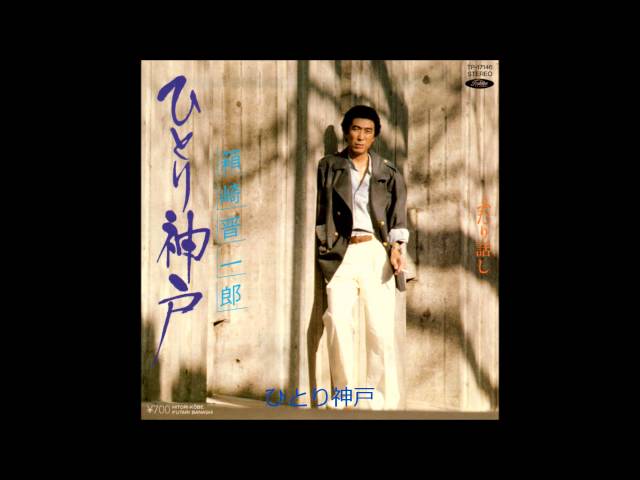
This is a regional kayō song by Shinichiro Hakozaki, a singer known for his feminine, heartrending falsetto.
Released in May 1981, the piece paints a gripping scene of walking alone through Kobe at night while thinking of a former lover.
The lights of the Port Tower and the beautiful night view of the harbor only heighten the protagonist’s loneliness, making it all the more poignant.
The fact that it was composed by the Kobe-born master Konosuke Hamaguchi also deepens the work’s sense of narrative.
It’s a song that gently accompanies the pain of heartbreak—one that lets you soak in the quiet of a Kobe night.
[Songs of Hyogo] A Collection of Local and Love Songs Set in Hyogo (21–30)
Hyogo Prefectural SongHyōgo-ken

This song was established by Hyogo Prefecture in May 1947, shortly after the war, to commemorate the enforcement of the new Constitution.
In fact, it’s a historical work created to celebrate the dawn of a new era.
The lyrics were written by Takeshi Noguchi, selected through a public contest, and the music was composed by Kiyoshi Nobutoki.
It is characterized by a solemn tone imbued with hopes for peace and democracy.
Records show that it was performed as a chorus at the commemorative ceremony of the time, conveying the passion of people moving toward reconstruction.
However, in the years that followed, opportunities to sing it in official settings dwindled, and it came to be treated as if it did not exist.
In recent years, though, materials have been reexamined and its historical value has once again drawn attention.