

[Killing Time] A Collection of Fun Trivia Quizzes You'll Want to Share with Someone


Up for a fun way to pass the time? Try our trivia quiz and fun facts about the world! From beginner-friendly questions you may have heard before to advanced ones that will make you go, “Wait, it means that?”, this article has plenty to enjoy.
It might sound challenging, but each question is multiple choice with three options, so it’s great to play with kids too! Why not liven up family time or a party with lots of people by giving it a try?
- Surprisingly unknown? Trivia Quiz [Multiple Choice: 3 Options]
- [Interesting] Compilation of Trivia Quiz Questions
- How many can you get right? A tricky 3-choice trivia quiz you'll want to tell someone about
- Let's take on a four-choice quiz that everyone can enjoy together!
- [Battle of Wits] Stimulate your intellectual curiosity! Quiz questions that get adults excited
- Stimulate your intellectual curiosity! Fascinating trivia quizzes that you’ll want to share with others
- Aim for a perfect score! A three-choice common knowledge quiz that deepens your understanding
- So interesting you’ll want to tell someone! December Trivia & Fun Facts Special
- [For Seniors] Great for killing time! A fun three-choice trivia quiz
- Become a trivia master with a multiple-choice quiz for elementary schoolers! A fun problem collection that captivates both kids and adults
- [For Seniors] Trivia Multiple-Choice Quiz
- True-or-false quiz for adults: a full roundup from common-sense questions to surprising trivia!
- [Challenge] Stimulate your intellectual curiosity with a general knowledge quiz you might not know!
Surprising Trivia Quiz on Daily Life and the Human Body (1–10)
What is the speed of a sneeze?

- as much as a bicycle
- as much as a car
- About the same as the Shinkansen
See the answer
About the same as the Shinkansen
They say a sneeze can reach speeds of about 160 to 230 km/h! The Shinkansen runs at roughly 120 to 230 km/h, so who would have thought a sneeze could be as fast as a bullet train? Knowing this really underscores the importance of wearing masks and minding our manners to avoid spraying others.

Which type of white rice is most effective for dieting?

- Freshly cooked white rice
- cooled white rice
- a large serving of white rice
See the answer
cooled white rice
Because cooled white rice contains an increased amount of a component called resistant starch, it is considered effective for dieting. Resistant starch is a type of starch that is difficult to digest; it functions like dietary fiber in the intestines, helping to moderate spikes in blood sugar while also improving gut health. By cooling freshly cooked rice once, the starch changes, which can reduce both caloric intake and absorption efficiency for the same portion size. For this reason, it is recommended for people who are mindful of diet and overall health.

Which sense of taste do humans not have?

- sweetness
- acidity
- spiciness
See the answer
spiciness
Humans can basically perceive five tastes: sweetness, sourness, saltiness, bitterness, and umami. The spiciness you feel when eating foods like curry or mapo tofu isn’t actually a taste; it’s perceived as pain or a temperature sensation. Incidentally, spiciness can help stimulate the appetite and improve nutrient absorption.
About how many times does a human heart beat in a day?
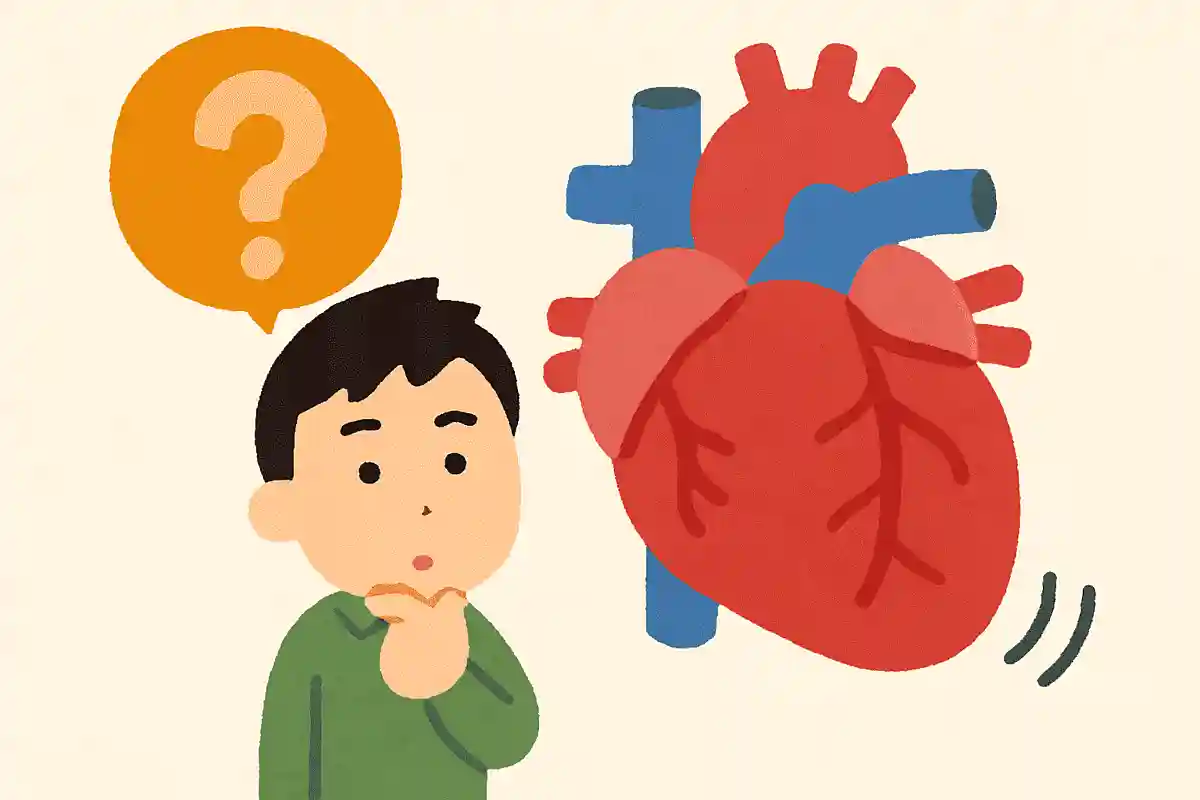
- about ten thousand times
- about 100,000 times
- About one million times
See the answer
about 100,000 times
A human heart beats about 70 times per minute at rest. Converting this to a daily figure, 70 beats × 60 minutes × 24 hours comes to roughly 100,000 beats. The heart works without rest, delivering oxygen and nutrients throughout the body with this vast number of beats. Take good care of your heart to support a healthy life.
What is the largest organ in the human body?
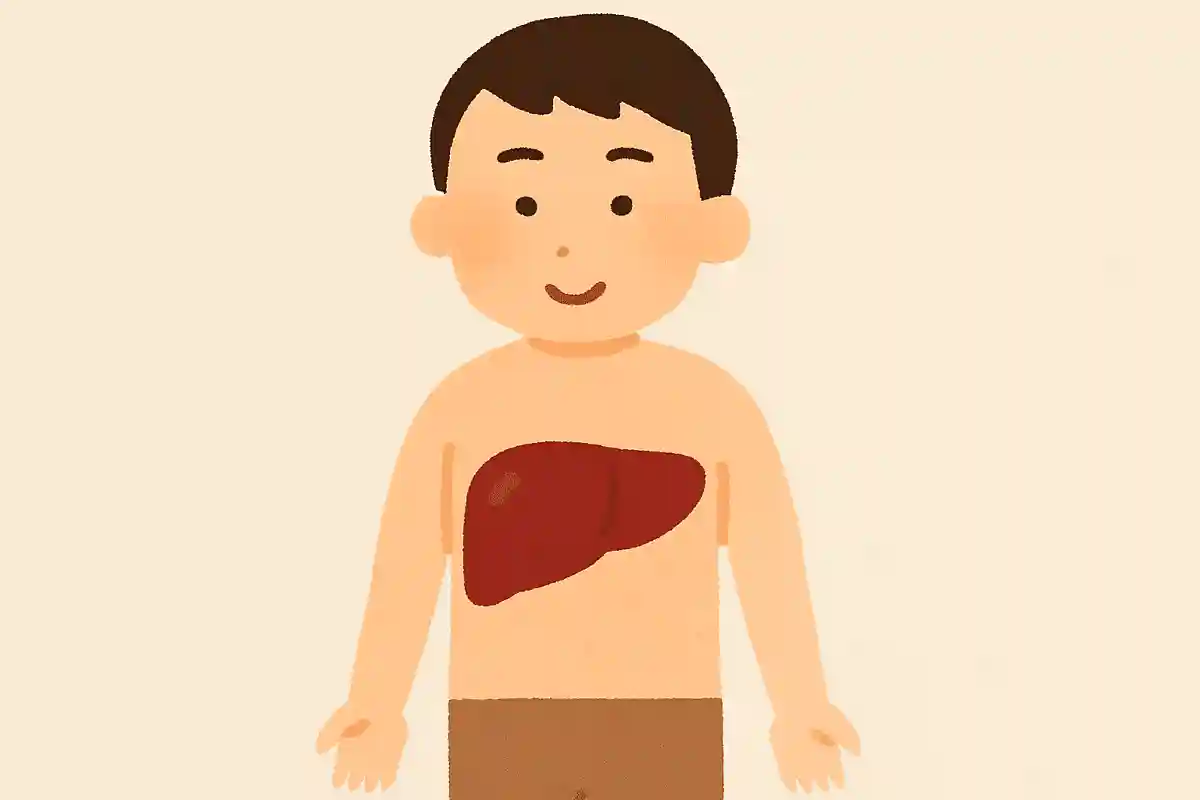
- skin
- liver
- heart
See the answer
skin
The correct answer is the skin. The skin acts as a barrier that protects our bodies from the external environment. In adults, it covers an area of about 1.6 square meters and accounts for roughly 16% of body weight. The skin has many vital functions, including regulating body temperature, enabling sensation, and defending against pathogens. It is a highly unique organ in terms of both structure and function, and it is an indispensable presence that supports our health every day.
Which parts of the human body do not have a sense of pain?

- brain
- heart
- stomach
See the answer
brain
Because the brain itself has no pain receptors, the brain does not directly feel pain even if it is injured. For example, during a craniotomy, a patient can have their brain stimulated while conscious and still feel no pain for this reason. Instead, pain receptors are present in the membranes surrounding the brain, the skull, and the skin, and these can feel pain. Therefore, the correct part of the human body that lacks pain sensation is the brain.
Which has more bones, adults or children?

- adult
- child
- Both are the same.
See the answer
child
It’s said that when we’re born, as infants, we have about 350 bones. The small, fine bones called accessory bones fuse together as we grow, and by adulthood we have 206 bones. It’s fascinating that babies actually have more bones, isn’t it?