



In the history of Japanese idols, the 1970s can truly be called the de facto “first year of idols,” a period when numerous legendary singers and groups emerged, creating the blueprint for today’s idol scene.
Many talents from that era are still active across various fields, and the music scene of the 1970s can rightly be called a treasure trove of superstar names that are instantly recognizable.
In this article, we’ll introduce classic songs left behind by these ’70s idols, featuring both male and female artists together.
It’s full of timeless hits you’ve likely heard at least once, so younger generations interested in idol songs from this era—and Japanese pop music more broadly—should definitely check it out!
- Nostalgic Japanese hit songs from the 1970s: the golden age of idols and kayōkyoku (Japanese pop songs)
- A collection of nostalgic hit songs and classics from the 70s
- Debut song of a 1970s idol
- 1970s Female Singer-Songwriters: Popular Songs Ranking [2026]
- [Showa Kayō] A roundup of Japanese love songs that hit in the 1970s
- Hit songs in Japan in the late 1960s
- A roundup of debut songs by Japanese female artists from the 1970s
- So nostalgic it feels new? Showa retro classics that colored Japan’s period of rapid economic growth
- [Showa Classics] A Collection of Nostalgic 70s Anime Songs
- Classic and hit Japanese pop songs from the nostalgic 80s
- Great enka masterpieces and hit songs of the 1970s
- Debut songs by Japanese male artists from the 1970s
- Evokes the charm of the good old days. Showa-era inspirational songs that are still loved today.
Classic and hit songs by nostalgic Japanese idols from the 70s (1–10)
My boyfriend is left-handed.Asaoka Megumi

A signature song by Megumi Asaoka, one of the top idols representing the 1970s.
Released in 1973 and reaching No.
1 on the Oricon charts, this gem of a love song is told from the perspective of a woman in love with a left-handed boyfriend.
With lyrics by Kazuya Senke and music by Kyōhei Tsutsumi, the track gently conveys a tender affection for left-handedness as a unique trait, expressed through the lover’s small gestures and actions.
At the time, it offered a fresh perspective on the minority of left-handed people and had a significant social impact.
Asaoka’s low, wistful voice further enhances the song’s appeal.
It is a classic whose influence went beyond music, even helping to spur the wider availability of products for left-handed people.
A Good Day to Set Out on a JourneyYamaguchi Momoe

It’s a classic song with a refreshing melody that heralds the arrival of spring and lyrics that evoke a sense of nostalgia.
Released in November 1978 as the theme song for the Japanese National Railways’ travel promotion campaign, it became a major hit, enhanced by Momoe Yamaguchi’s beautiful vocals.
The song masterfully portrays the intertwining of the protagonist’s anticipation for a new departure and their feelings for the past, delivering a deeply resonant message to listeners.
It’s often sung at life’s milestones, such as weddings and graduations, and its cross-generational appeal is one of its enduring charms.
When the spring weather tempts you to set off on a journey, why not give this song a listen?
My Blue BirdSakurada Junko
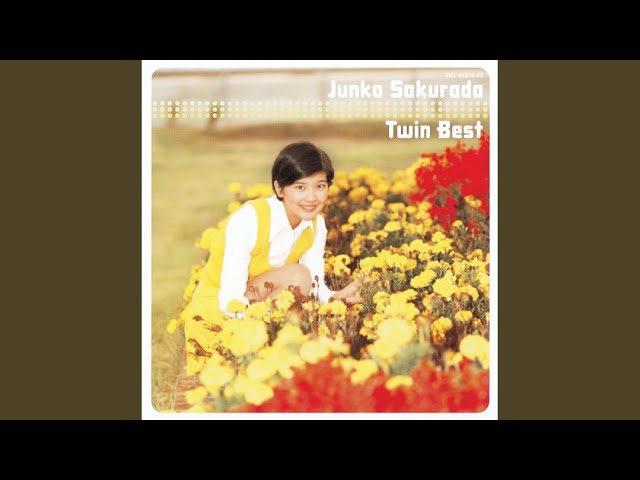
Known as an iconic idol song of the 1970s, this piece gained immense popularity in tandem with Junko Sakurada’s pure image.
Entrusting pure romantic feelings to a “bluebird,” its lyrics depict the sweet yet fleeting relationships of young lovers, resonating deeply with many.
Released in 1973 as Sakurada’s third single, the song won numerous music awards, including the Best New Artist Award at the 15th Japan Record Awards.
Expressing the transience of youthful love, it was fervently supported by young people at the time and later proved so influential that it was covered by various artists.
It’s a recommended track for those troubled by love or wishing to reminisce about days gone by.
Boys and girlsGō Hiromi

A fresh debut single from Hiroshi Gō, a major star who remains an active force even in the 2020s.
It portrays the joy and anticipation of youth with a bright, fun vibe and became widely loved as a song symbolizing youth culture.
Released in August 1972, it made a brilliant debut by breaking into the Oricon Top 10.
The following year, it earned him a spot in the 24th NHK Kōhaku Uta Gassen, paving the way for Gō to become a national star.
Its poppy, catchy melody and the repeated “Hey, hey, hey” in the chorus leave a strong impression.
Brimming with an energetic message that celebrates the start of friendships and romance, it’s perfect not only for those nostalgic for the youth of the ’70s, but also for anyone who wants to feel bright and positive.
Summer MissSakakibara Ikue

It was released in 1978 as Ikue Sakakibara’s seventh single.
It peaked at No.
11 on the Oricon charts, and with this song she made her first appearance at the 29th NHK Kōhaku Uta Gassen at the end of the same year.
The song was popular for its energetic, lively image and its distinctive choreography within the performance.
Private railway line areaNoguchi Goro

It’s a memorable song with lyrics that evoke melancholy and nostalgia, set to a pleasant melody.
Set along a private railway line, it delicately portrays the protagonist going about everyday life while carrying the pain of a broken heart.
Goro Noguchi’s gentle vocals beautifully capture both the poignancy and the bittersweetness.
Released in January 1975, the song became a major hit on the Oricon charts and is considered one of Noguchi’s signature tracks.
It also won numerous music awards, including the Grand Prix at the 8th Japan Cable Radio Awards.
It’s a recommended adult love song for those moments when you want to soothe the ache of heartbreak or listen while gazing at the city nightscape.
Smiling Backkyandīzu

When it comes to iconic songs by 70s idols, you can’t leave out the Candies’ tracks that touch the heart with bittersweet messages and sweet vocals.
This work is their final single, and its lyrics are sprinkled with titles of their past hits.
It’s a song packed with gratitude for their fans.
Released in February 1978, it became a million-seller, and there’s even a story that everyone on the staff was moved to tears during the first-take recording.
While themed around parting, the lyrics portray a forward-looking attitude, making it a masterpiece worthy of marking a page of youth.
Be sure to listen to this song—brimming with the Candies’ charm—together with your friends.