

[2026] Masterpieces of instrumental music. Recommended instrumental tracks.


The genre of music without vocals—so-called “instrumentals,” also known in Japan by the abbreviation “inst”—covers a wide range of pieces, from film soundtracks and classical music to 15-second commercial jingles.
In this article, we’ve curated a broad selection of recommended instrumental masterpieces, from world-famous soundtrack tunes to fiery guitar instrumentals and soothing lounge music.
We hope it sparks a new realization—“Songs without lyrics might actually be great!”
- Masterpieces of Japanese instrumental music. Recommended instrumental tracks.
- [Instrumental] Great Japanese songs without lyrics—perfect as background music for work
- [All Genres] Introducing Masterpieces of Guitar Instrumentals!
- [2026] Stylish and Cool Japanese Instrumental Bands You Should Check Out [Enchanting Sounds]
- [2026] Recommended Western instrumental bands: Popular overseas bands
- [2026] A compilation of Japanese songs/J-pop with cool guitar solos
- [Western Music] Classic Jazz Fusion Masterpieces: Recommended Albums You Should Listen to at Least Once [2026]
- [2026] A selection of Japanese songs with cool, striking piano intros!
- [2026] Relive those iconic moments… Recommended theme songs and insert songs from Western films
- Ranking of popular fusion songs
- [2026] Recommended for work and study! A collection of cool and stylish BGM
- Piano Medley: World-Class Masterpieces and Popular Songs
- Masterpieces of crossover. Recommended popular songs.
[2026] Masterpieces of Instrumental Music: Recommended Instrumental Tracks (61–70)
D.D.E.ROVO

A band formed by Seiichi Yamamoto and others with the concept of “doing spacey things.” Its human-powered, trance-like rhythms driven by twin drums and the groove of an electric violin are irresistibly pleasing—you’ll feel like you’re being whisked away to another world just by listening.
Stay AloneTheScreenTones

The moment I heard that somewhat goofy yet wistful main phrase, Yutaka Matsushige’s expressions and tall silhouette popped into my head, and I couldn’t help getting hungry.
It’s the main theme of the smash-hit drama “The Solitary Gourmet,” a nice instrumental by The Screen Tones led by the original author, Masayuki Kusumi! The chord progression is simple yet thoughtfully crafted, and the band ensemble is exquisitely brilliant.
I’m sure many people—myself included—have listened to this track and tried becoming Goro Inogashira, the protagonist of “The Solitary Gourmet,” savoring solitude and enjoying a solo meal, just as the title suggests.
By the way, this main phrase is used in other tracks with different arrangements; personally, I also love “Tatebue Alone,” where it’s played on a recorder! I highly recommend picking up the soundtrack and giving it a listen.

Bitter Sweet SambaHerb Alpert

Herb Alpert’s “Bitter Sweet Samba.” Even if you don’t know the title, you’ve probably heard it at least once.
It’s often played on TV.
The Latin rhythm and distinctive melody captivate listeners.
The repeated motif is pleasant, making it a striking piece.
It’s a wonderful number I can recommend to everyone.

AnthemVangelis

Vangelis’s “Anthem.” Listening to it puts me in a Christmas mood.
A variety of sounds and occasional vocals come together to make a wonderfully fun piece.
It fills you with excitement right from the start.
It’s cool yet soothing—a mysterious song.
Please give it a listen.
Chariots of Fire (Chariots of Fire Theme)Vangelis

A hit song that topped the U.S.
charts in 1982 and was memorably used at the London Olympics.
The film itself dealt with issues that are hard for Japanese audiences to fully grasp and was rather difficult, but the theme song is a classic, featuring Vangelis’s synthesizer—a musician who would go on to accomplish many great works.
This track is inseparable from the film’s opening scene: Cambridge students running on the beach as part of their training.
It’s interesting how, despite its electronic sound, it somehow matches that analog, nostalgic imagery so well.
MisirlouDick Dale
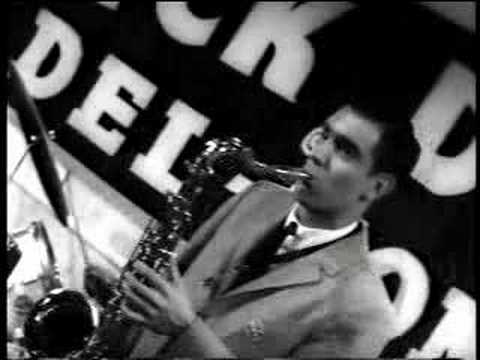
In American music of the 1950s, there’s a style known as “surfing” or “surf music.” This number performed by Dick Dale is a classic of the genre.
It later became the theme song for the film Pulp Fiction and enjoyed a revival hit.
That’s the way of the WorldRichard Tee

Richard Tee, a pianist who left behind numerous brilliant performances when crossover first started to become popular.
This mellow ballad, featured on one of his leader albums, showcases his distinctive compositional skill and lyrical sensibility, and he recorded it multiple times up until his passing.