

![[Genius if you can solve it?] Insight and intuition: a challenging IQ quiz](https://media.ragnet.co.jp/img/1200__png__https://www.studiorag.com/files/2025/04/d13ca1ec940938bf5def9637b871d6c2.webp)


That instant when an idea pops into your head feels so good, doesn’t it? Why not try some IQ quizzes that train your intuition and creativity and enjoy that refreshing rush? Discovering the “Aha!” moment when you see the answer is part of the fun, too.
From wordplay and number tricks to puzzles that use the characteristics of kanji, a small shift in perspective can reveal the solution.
Take a short break in your day and enjoy IQ quizzes as a way to refresh your brain.
- Genius if you can solve it? Super-difficult Quiz Collection
- A collection of challenging quizzes for adults [Difficult]
- Also great for brain training! A flash of intuition is the key to solving these insight quizzes.
- [Trick Quiz] Quiz Questions That Excite Everyone from Kids to Adults
- How old are you? A collection of problems to determine your IQ
- [Daily Challenge] A Collection of Cipher Quiz Problems to Stimulate the Adult Brain
- [Your Hidden Abilities] A Psychological Test to Measure Your Genius Level
- A quiz that seems easy but is actually hard: trick questions that make you think flexibly
- [Challenging and Fun!] Quizzes & Riddles for Adults
- [Logic Quiz] Flexible Thinking and Creativity Are Key! From Classics to Tough Challenges, All in One Go
- [Interesting] A collection of brain teaser quiz questions. Let's train your brain!
- Hard to get right on the first try! A quiz you’re guaranteed to get tripped up by.
- [Personality Test] Are You a Smart Person? A Thorough Diagnosis of Your Abilities and Talents!
Flash-inspired IQ quizzes that test your intuition and creativity (1–10)
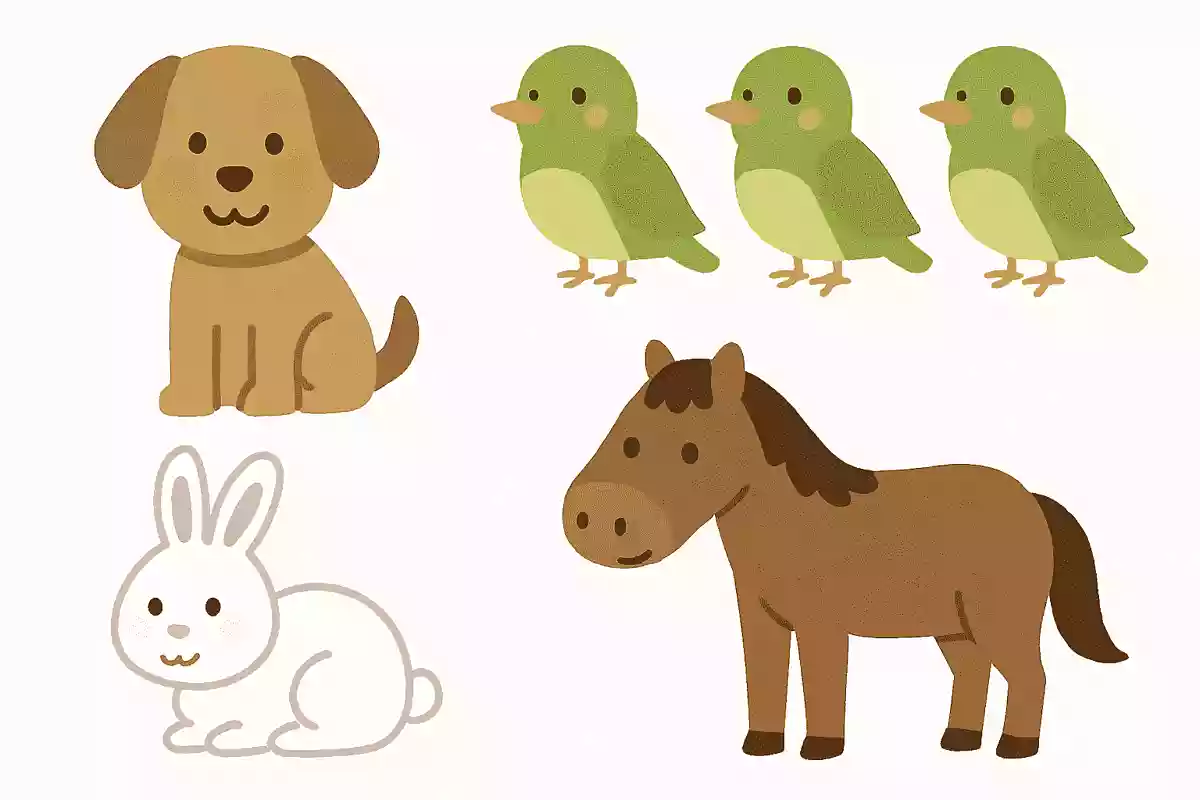
Dog = 1, Bird = 4, Rabbit = 1, Cat = 0, Horse = ? What number fits for Horse?
See the answer
4
Did you figure out the pattern from the answers? They’re all animals, but the animals themselves aren’t very relevant—if you write them in kanji, the answer becomes clear: dog (犬), bird (鳥), rabbit (兎), cat (猫), horse (馬). It was the number of dots (、) contained in the kanji!

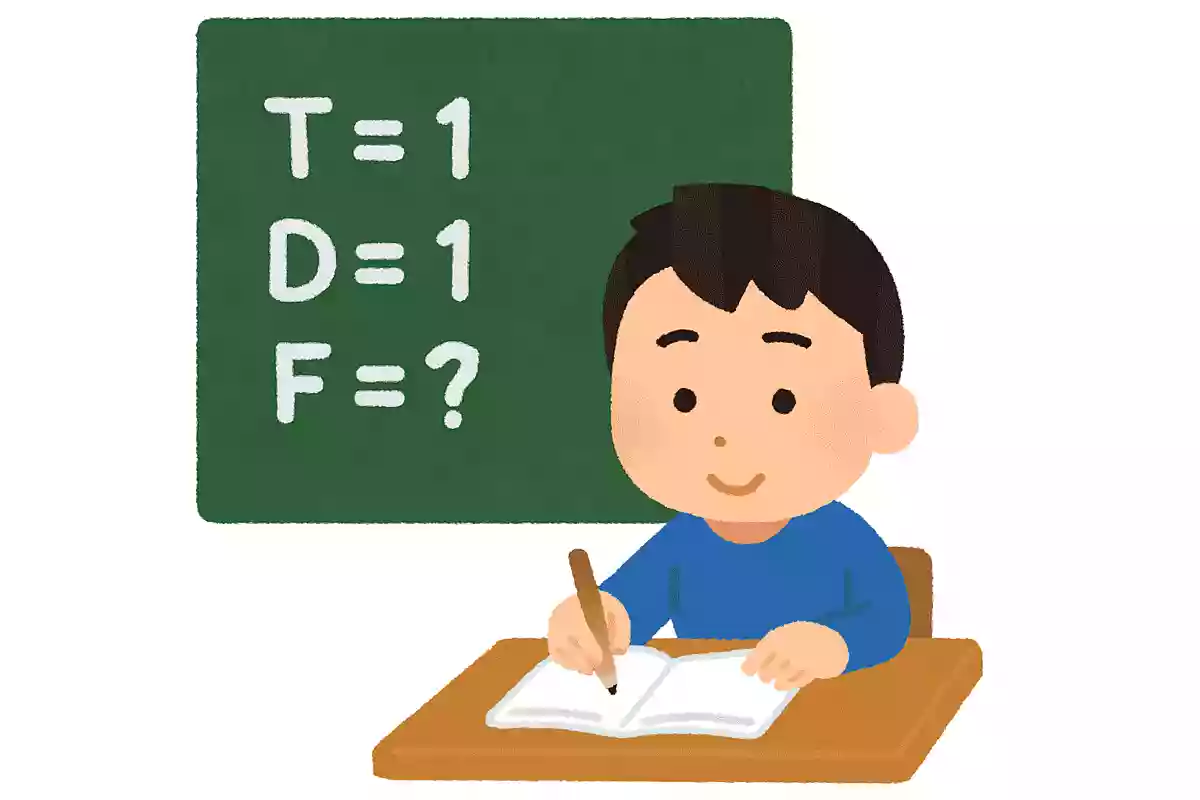
T=1 D=1 F=? K=43 What number goes in the ?
See the answer
2
People who solved this right away must have pretty high IQ or intuition, no? Once you figure out what TDFK stands for, the answer should be easy. TDFK is short for “to-dō-fu-ken” (the four types of prefectural jurisdictions in Japan): there is 1 “to” (metropolis), 1 “dō” (territory), and 43 “ken” (prefectures). That leaves “fu” as Osaka and Kyoto, so the correct answer is 2.
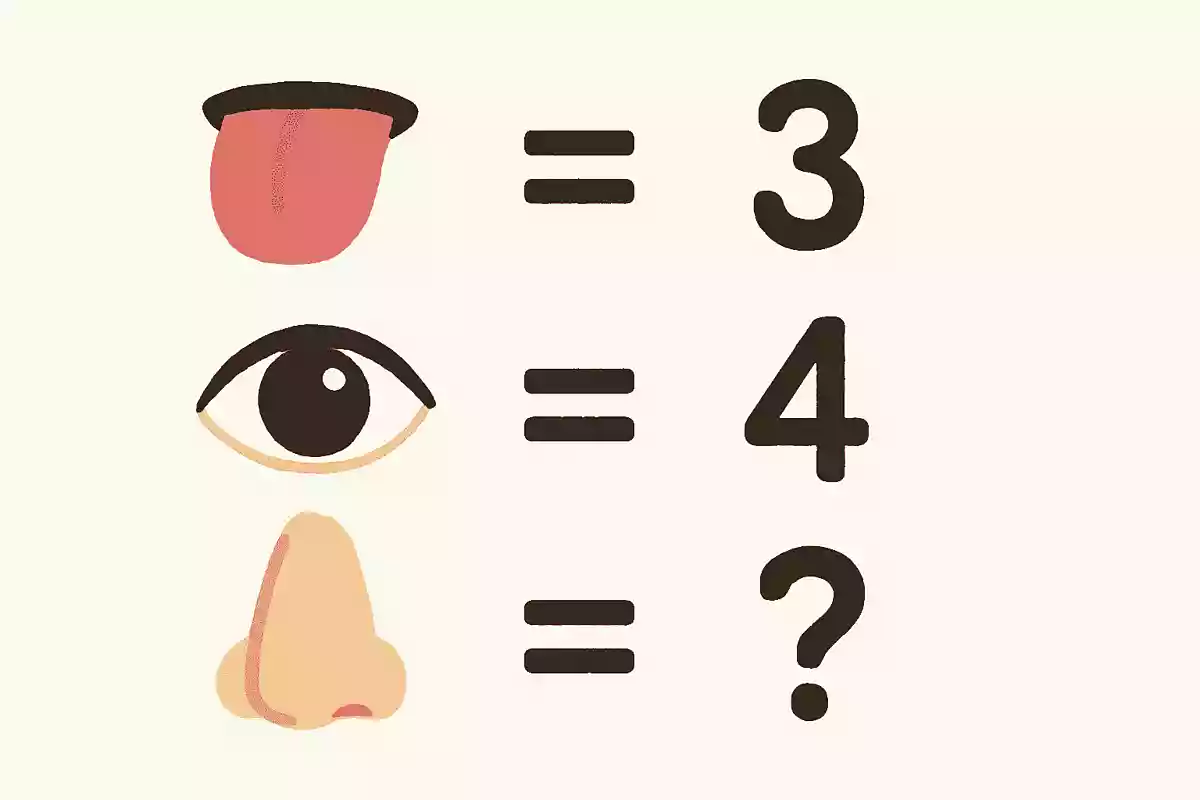
“Tongue = 3, Eye = 4, Nose = ?” What number goes in the question mark?
See the answer
9
An equation that looks disjointed at first glance: “tongue = 3, eye = 4, nose = ?”. In fact, it’s a quiz that replaces the five senses with numbers. The tongue is associated with taste, so the number is 3. The eye is associated with sight, so the number is 4. The nose is associated with smell, so the number is 9. The numbers themselves don’t carry any deep meaning, so the more you try to find some ulterior intent, the more you might tie yourself in knots. It’s a refreshing, insight-based riddle that falls into place once you shift your perspective.

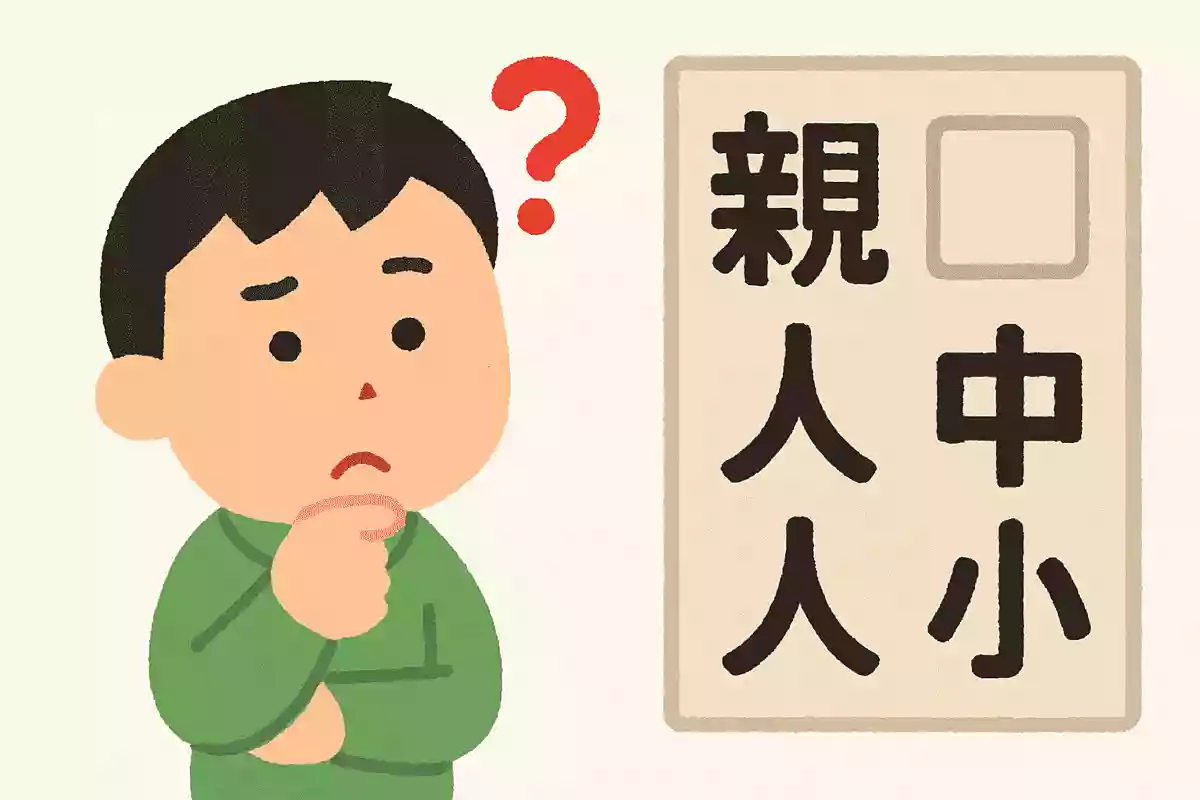
“Parent, person, middle, ?, small” — Which kanji goes in the ?
See the answer
medicine
This is one of those questions where you go “Ah!” once you hear the answer, right? Yes—the riddle mentions fingers: thumb, index finger, middle finger, ring finger, little finger. So the correct answer was “medicine.” Was that a bit too easy?
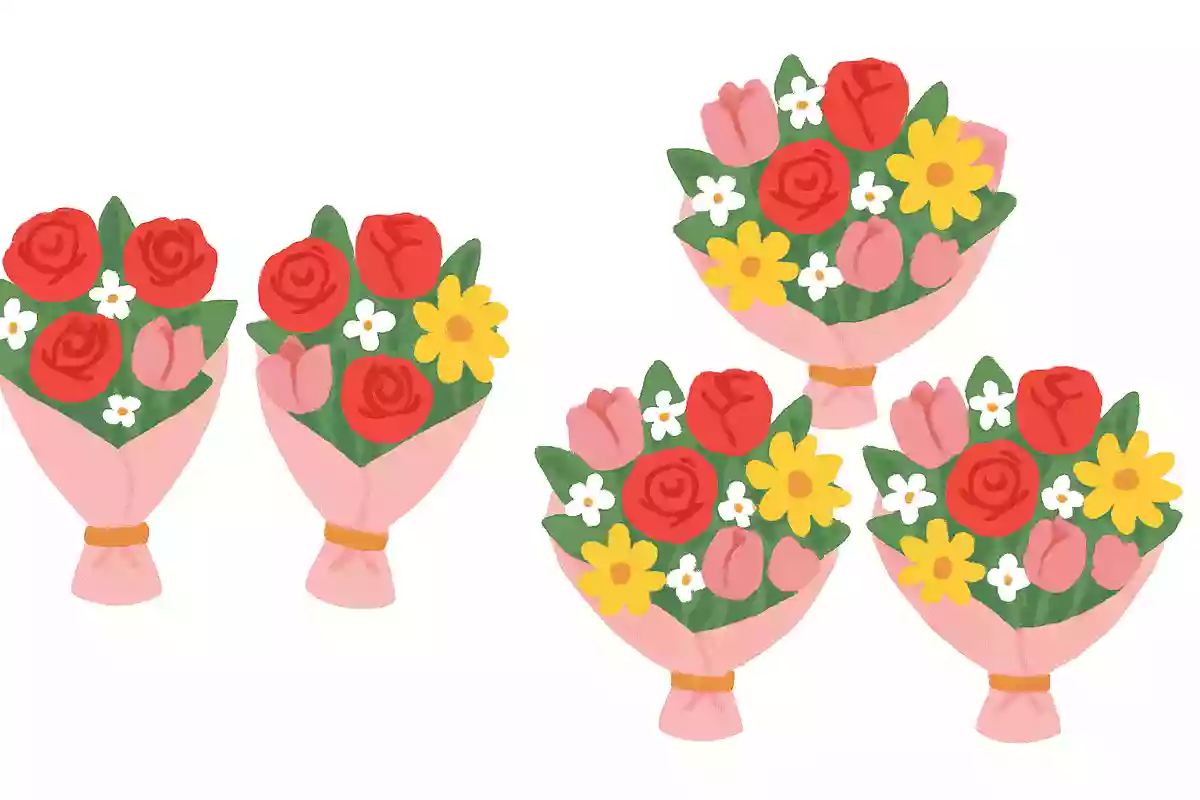
There are two bouquets and three bouquets. How many bouquets are there in total?
See the answer
1 bundle
What you’d normally think of is the calculation “2 + 3 = 5.” But in fact, this is also a riddle that uses a play on words. The question “How many bouquets is it when combined?” actually means physically bundling them together. In other words, if you put a bouquet of 2 and a bouquet of 3 together, they become one large bouquet. If you realize it’s not about ‘adding’ the numbers but ‘bundling’ them, your knack for insight is pretty impressive.
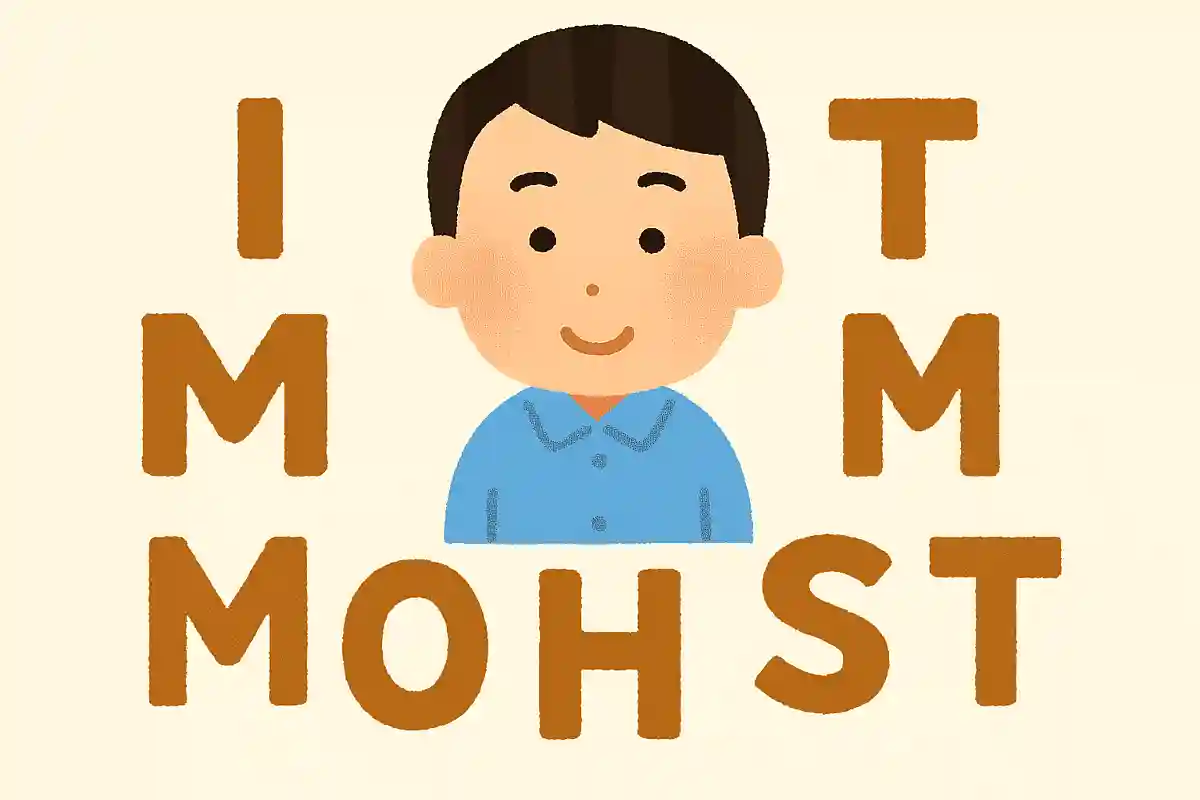
“N ◯ T ◯ T M ◯ H S T I I” — The same letter goes in each ◯; what is it?
See the answer
U
You might think it's some kind of code with letters arranged in a regular pattern—maybe there's a way to read it? The answer is “U.” The pattern is the initials of the Chinese zodiac written in the Latin alphabet. Since ox, rabbit, and horse are included, it was “U.”
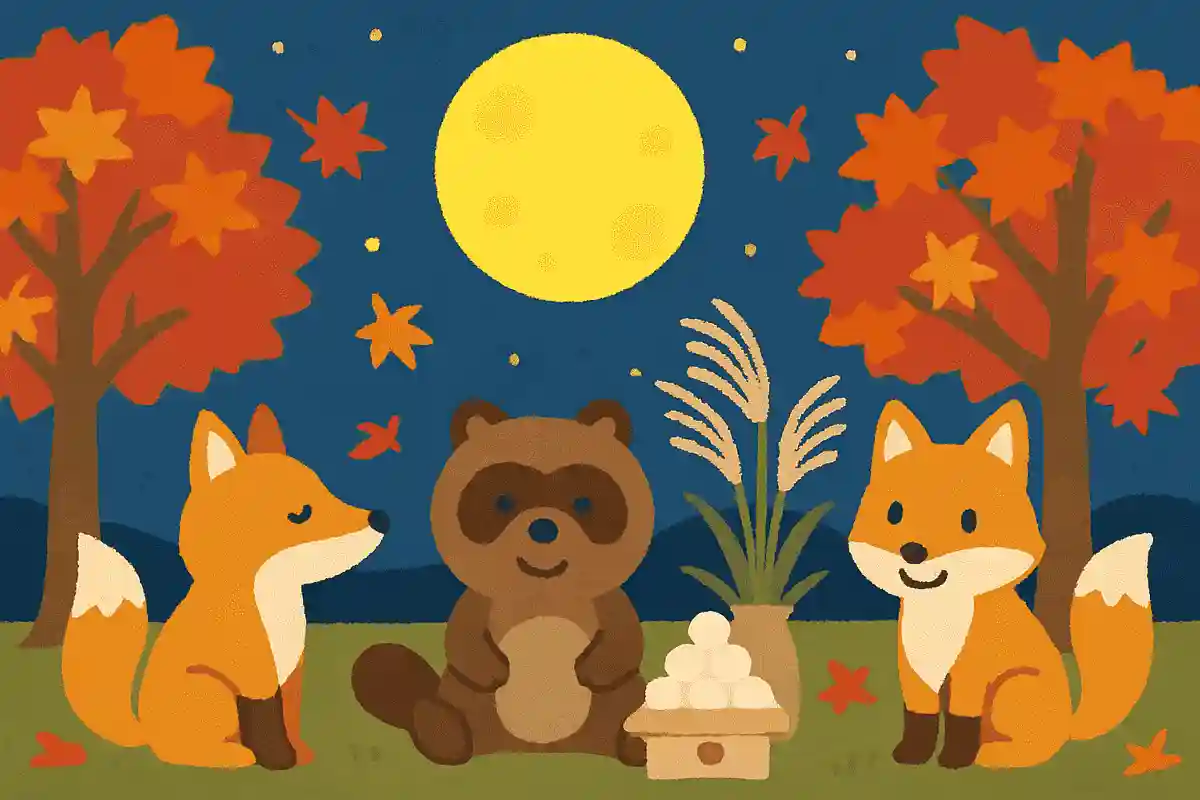
Moon viewing, autumn leaves, fox, raccoon dog — which one doesn’t belong among these?
See the answer
autumn leaves
You might be tempted to think there’s some rule related to the seasons at play here, given the way these words line up... but try adding “udon” or “soba” after each word. While “autumn leaves soba” or “autumn leaves udon” sound like something you might find at a tourist spot, they aren’t commonly used, right?