

Also great for brain training! A flash of intuition is the key to solving these insight quizzes.

Flash-of-inspiration quizzes that test quick thinking and intuition are used in various settings as a way to activate brain function.
Some of you may be looking for quizzes to hold at events and recreational activities in schools, companies, or senior facilities.
In this article, we’ve handpicked a selection of quizzes that people of all ages can enjoy.
They range from riddle-style questions that challenge your reasoning skills to unique problems that make clever use of puns.
Give these flash-of-inspiration quizzes a try—figuring out the answers will leave your mind feeling refreshed.
Also great for brain training! A flash of insight quizzes (1–10) where intuition is the key to solving the problems
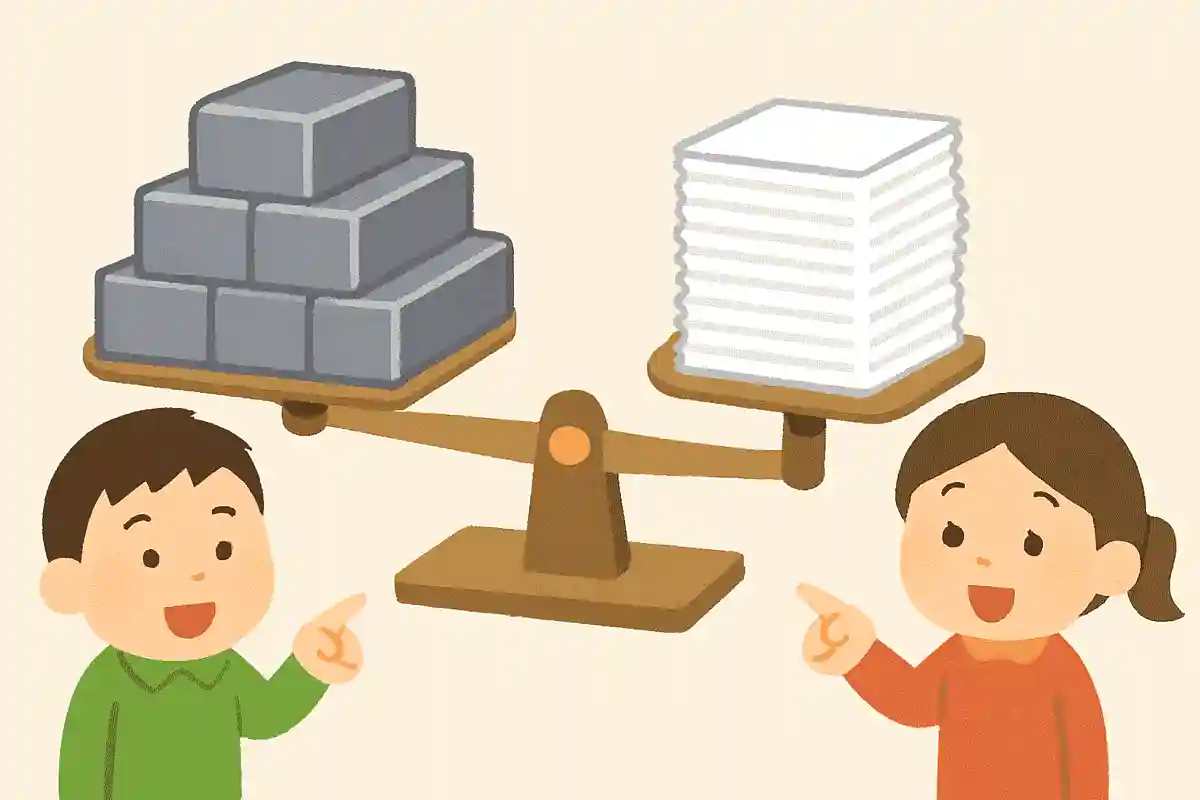
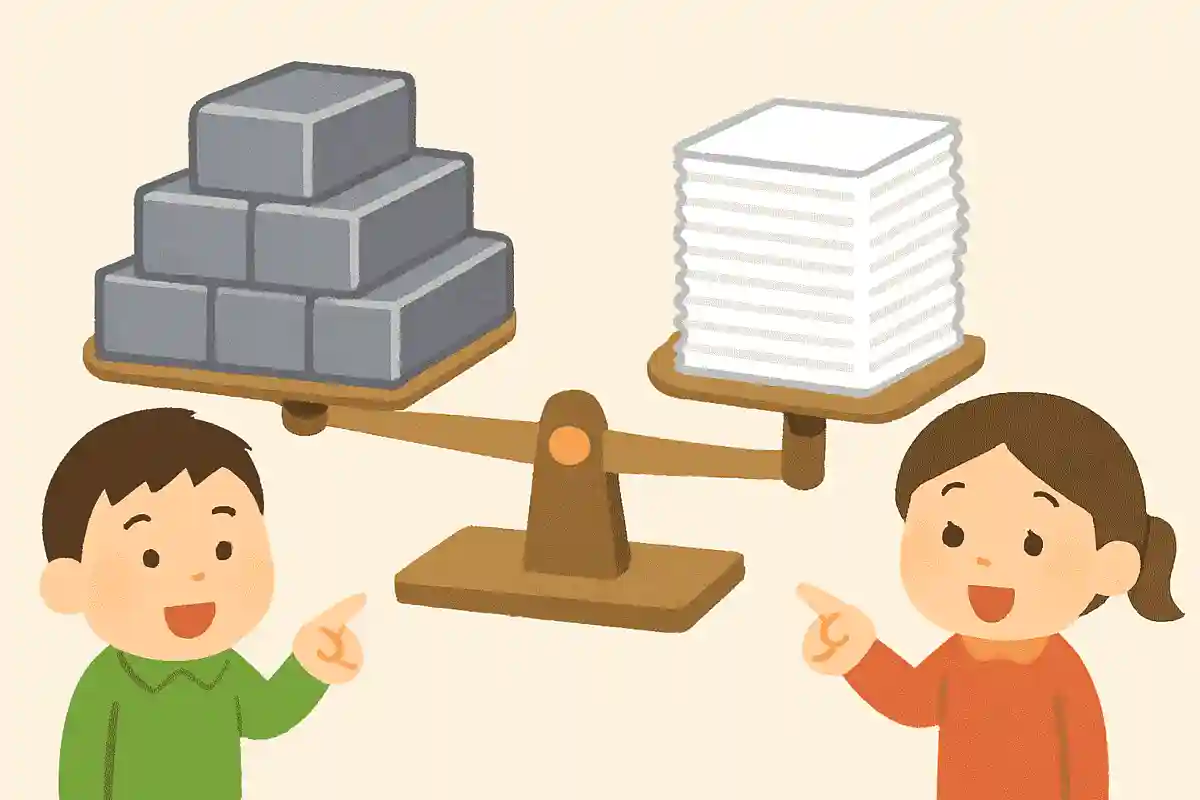
Which is heavier, 10 tons of iron or 10 tons of paper?
See the answer
Both are the same.
When you hear the words iron and paper, some people might feel that iron seems heavier at first glance. The key is to realize that the weight of 10 tons doesn’t change, so they’re the same weight. Don’t overthink the question—just compare the weight simply.

What is in the middle of Tokyo?

See the answer
Kyoto
In the middle of the word “東京都” (Tokyo Metropolis), there’s the kanji 京, right? If you start imagining buildings or land, you’ll end up wondering, “Where exactly is the center?” and won’t arrive at the correct answer. It’s a flash-of-insight quiz you can solve by noticing the hint hidden in the question itself.
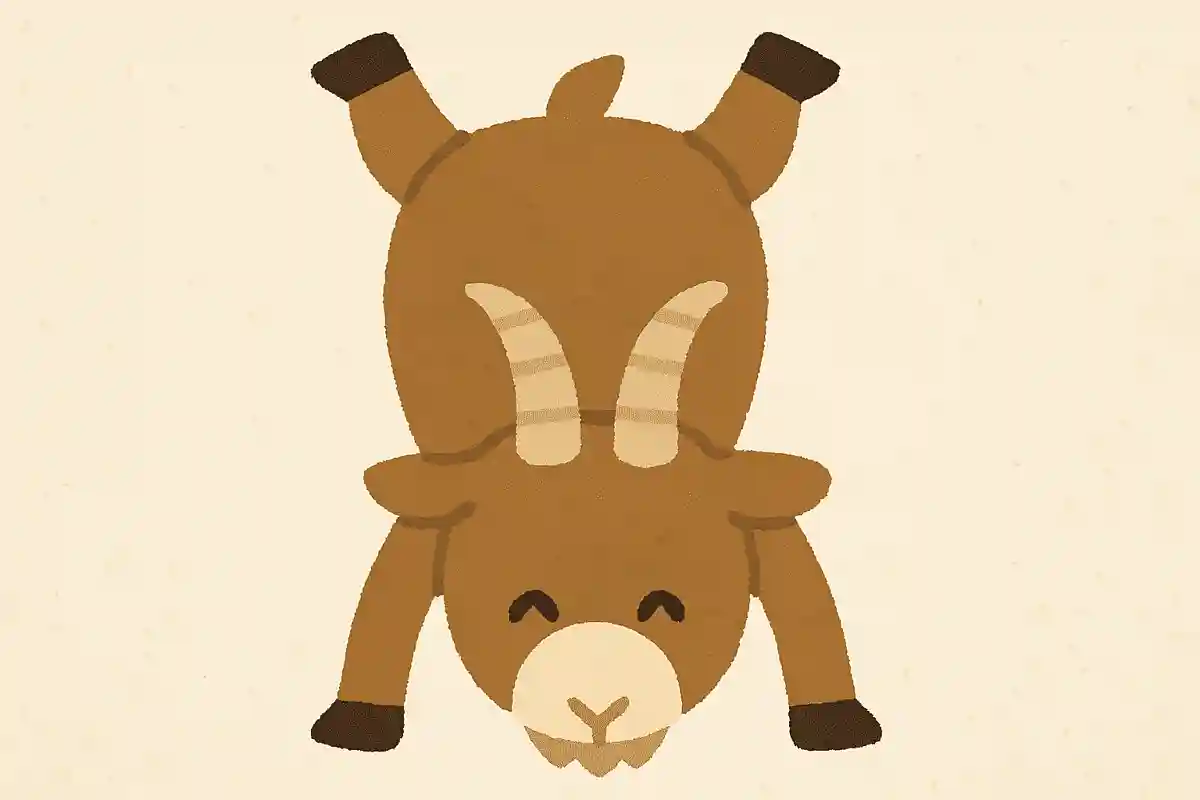
What animal becomes a good child when it does a handstand?
See the answer
dog
In English, “犬” is “dog,” and when you reverse “dog,” it becomes “good.” The key to solving the puzzle is noticing the hint from the phrase “when doing a handstand,” which suggests reversing the word. If you think of animal names and reverse them, you can arrive at the answer.
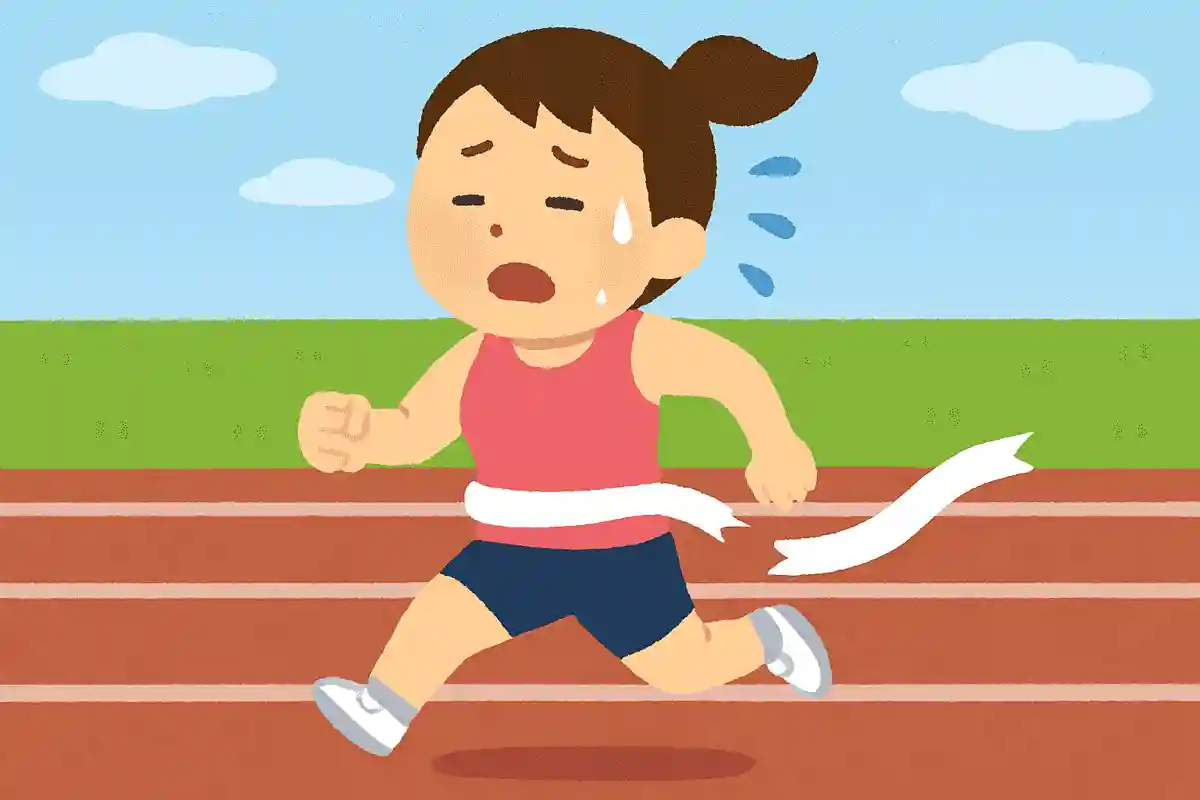
A mom ran the 100 meters for the first time in 15 years. What broke before she broke the finish tape?
See the answer
breath
When you go for a run for the first time in a while, you might find yourself out of breath. If you imagine someone actually running, you can picture the answer. When a problem statement contains a lot of information, a key to solving it is to infer which parts are necessary.
The day with the longest daylight in a year is called the “summer solstice,” but what do you call the day with the shortest night in a year?

See the answer
summer solstice
The day with the longest daytime and the day with the shortest nighttime actually mean the same thing. We tend to think of the opposite of the summer solstice as the winter solstice, but this is a unique question where the correct answer is hidden in the problem statement itself.
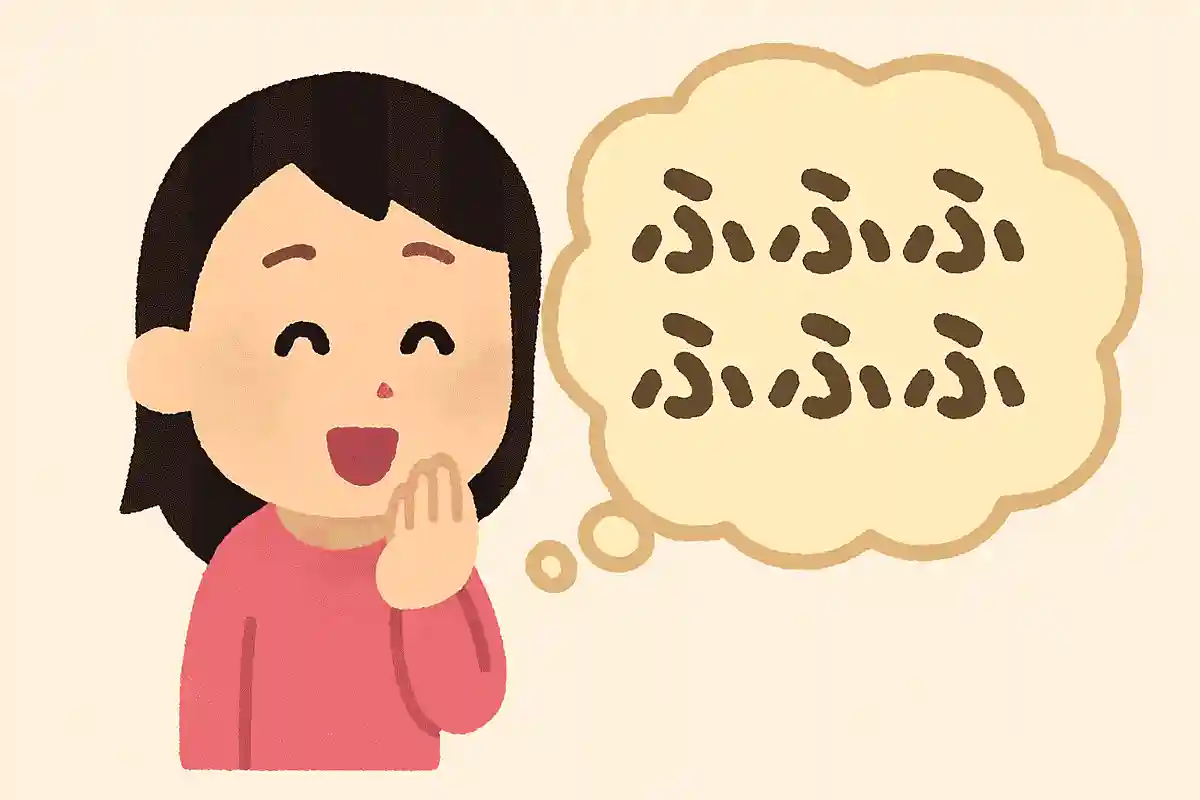
What does “fufufufufufufufufu” mean?
See the answer
tofu
Because the word “fu” is written ten times, the ten “fu”s form the word tōfu (tofu). It’s a quiz where the continuous string of hiragana provides a hint through the number of characters to derive the answer.
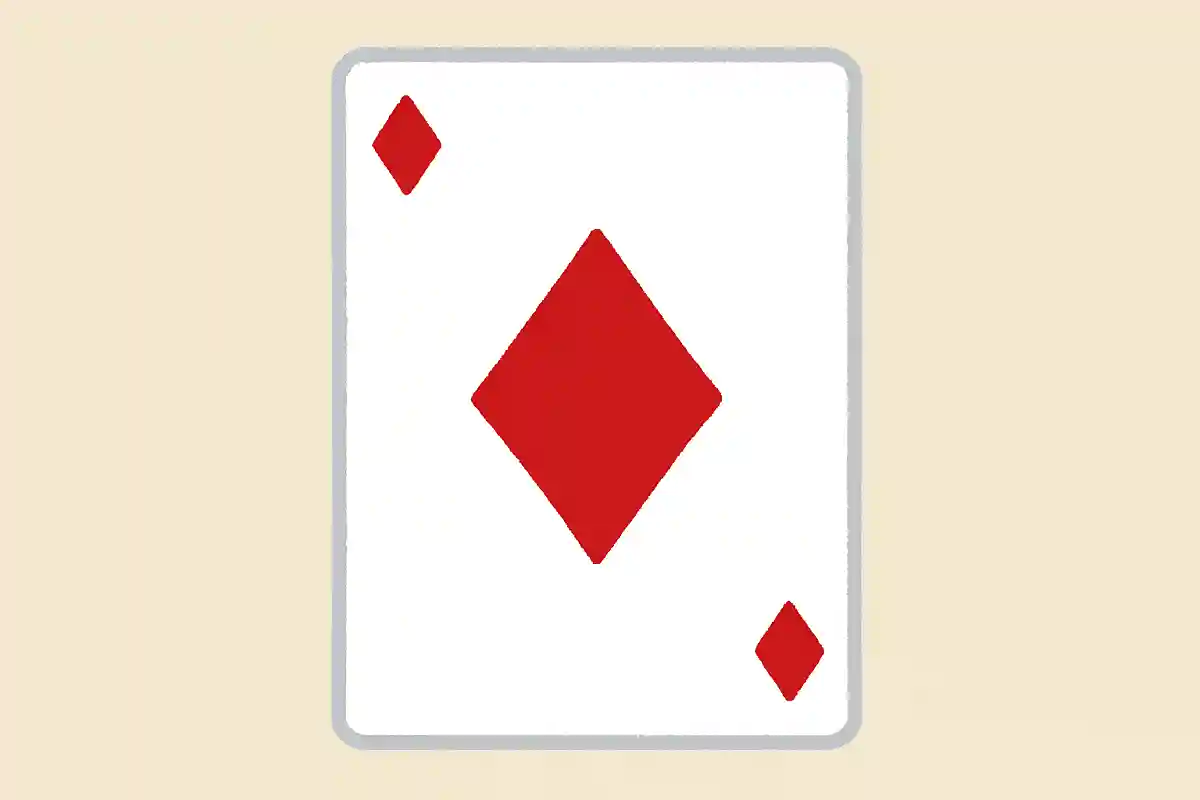
How many diamonds are depicted on the ace of diamonds playing card?
See the answer
three
There are three diamonds in total: one in the center of the card and one each at the top and bottom. It’s a trick question that makes you want to answer “two” if you only count the diamonds at the top and bottom of a playing card. If you’re given paper and a pen, it’s a good idea to actually draw a playing card.