


Do you get tripped up too? A fun roundup of 10-time quiz questions

After being told, “Say ‘pizza’ ten times,” you do it—and then they point to your elbow and ask, “So what’s this?” You can’t help blurting out, “Knee!” Have you ever tried one of those ‘say it ten times’ quizzes? The word you repeat gets stuck in your head, and you end up falling for the trick question that follows so easily.
In this article, we’ll introduce some fun ‘say it ten times’ quiz questions.
Give them a try with your friends and family!
Do you fall for them too? A collection of fun 10-time quiz questions (1–10)
What comes after 10/90?

Here’s a “10-times quiz” that plays with numbers.
First, have them repeat “10” ten times, then ask, “What comes after 90?” They’ll likely answer “100,” but in fact the number after 90 is “91.” It’s quirky and funny that the repeated phrase in this 10-times quiz is “10.” You can also make it more fun by changing the numbers you use.
The key is to ask with the ambiguous phrasing, “What comes next?”

Kinkan / Who was the first president of the United States?

This is a slightly tricky quiz that tests your knowledge of history.
First, have someone say “kinkan” ten times, then ask who the first president of the United States was.
They’ll likely answer “Lincoln.” However, Abraham Lincoln was the 16th president; the first president was George Washington.
This might be a good opportunity to learn more about American history.
By the way, you could create the same kind of trick using words like “inkan” (seal) or “intān” (intern) as well.
Give it a try if you like.
Chandelier / Who picked up the glass slipper?

“Chandelier” and “Cinderella” sound similar in Japanese, don’t they? With that in mind, here’s a little puzzle I’d like to introduce.
First, have someone repeat “chandelier,” and then ask them the quiz question: “Who picked up the glass slipper?” Chances are they’ll immediately think of “Cinderella.” But if you carefully recall the story, it’s the prince who picks up the glass slipper, and Cinderella who drops it.
Anyone who gets this wrong can only groan in recognition.
How do you say “girly/pepper” in English?

This is a 10-times quiz using seasonings as the theme.
First, have the player repeat “girly” ten times.
“Girly” is a word that describes something like a young girl.
After they’ve said it ten times, ask the quiz question: “How do you say ‘koshou’ in English?” Many people will mistakenly answer “garlic.” But in fact, “koshou” in English is “pepper.” By the way, black pepper is “black pepper,” and the salt-and-pepper mix is “salt and pepper.” Using the 10-times quiz, it seems like you can learn English vocabulary in a fun way.
How do you say “kitchen/bird” in English?

Recommended for those who want to try a slightly tricky quiz.
First, have someone repeat the word “kitchen,” then ask, “How do you say ‘tori’ in English?” Thanks to the sound of “kitchen,” they’ll likely answer “chicken.” However, the correct answer is “bird.” In fact, there’s a clear distinction between chicken and bird.
“Bird” refers to birds in general, while “chicken” refers to domesticated fowl like hens.
If you remember that chicken = birds for eating, it’s easier to understand.
Momotaro / Who was bullying the turtle?
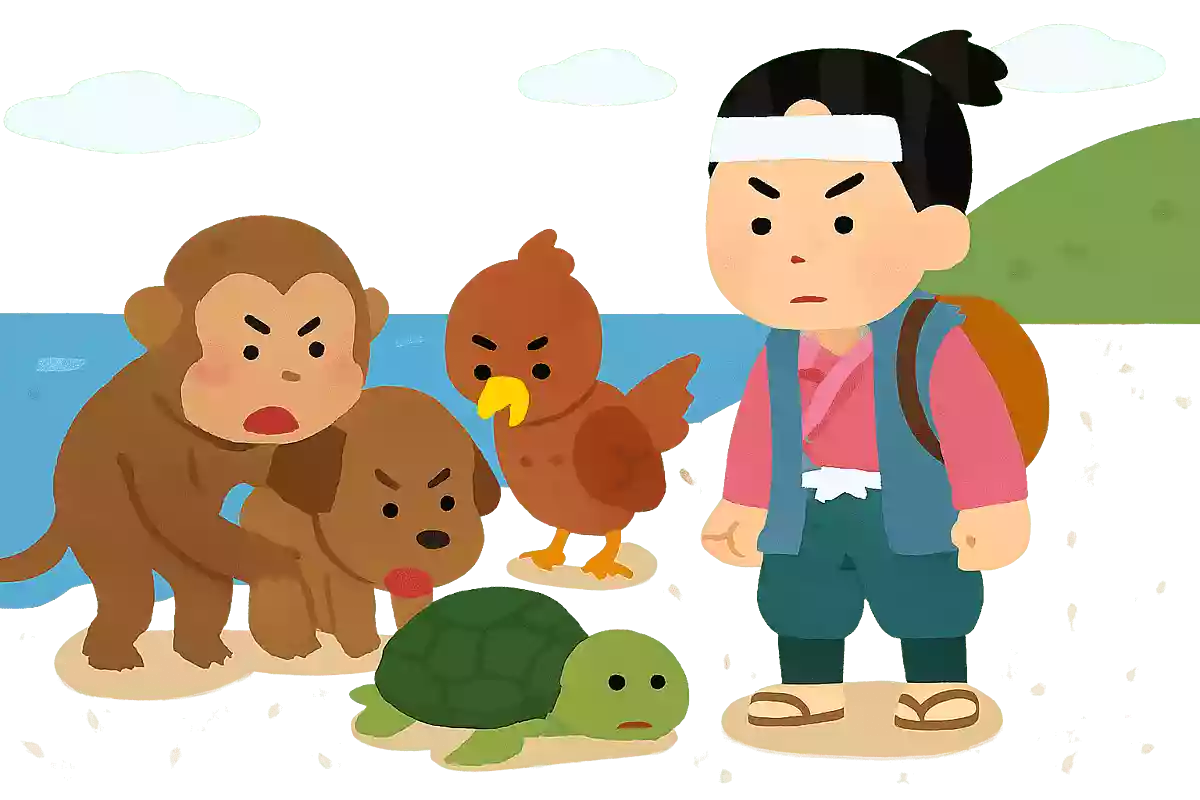
Many people probably make this mistake without thinking.
In this “say it 10 times” quiz, you first have the person say “Momotaro” ten times.
Then you ask, “Who was bullying the turtle?” and they end up answering “Urashima Taro,” the protagonist of the story featuring a turtle.
However, in the actual tale, it was “the bullies” who were tormenting the turtle, so that’s the correct answer.
It’s a question that cleverly exploits the assumption that the answer will resemble the phrase repeated ten times.
What is the dish of a hammer/beef that has been fried?
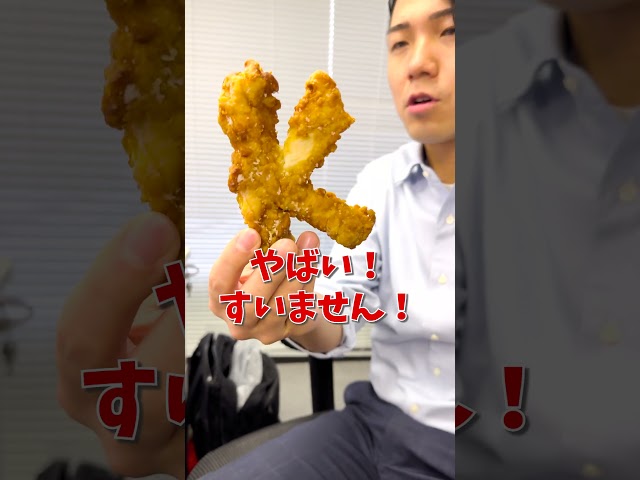
Let’s have someone repeat “tonkachi,” a word meaning hammer, ten times.
Then, when asked to name a dish of fried meat, people tend to answer “tonkatsu,” but the intended answer is “bifuteki.” What’s important here are the definitions of the two.
Strictly speaking, “tonkatsu” is a dish in which pork is coated and then deep-fried in plenty of oil.
On the other hand, “bifuteki” refers to a dish of fried lean meat, or to a beef steak.
Strictly speaking, you could say that both answers might be correct.