

Laugh and have fun! A collection of funny 10-times game questions

The “10 Times Game” is where, after saying a certain word 10 times, you’re given a question—and you end up blurting out the wrong answer, perfectly swayed by the word you just repeated.
Many people have probably played it at least once, right? Even if you think, “There’s no way I’d get that wrong,” the word surprisingly trips you up—and that’s what makes it so fun! In this article, we’ve gathered a bunch of 10 Times Game prompts that anyone—from kids to adults—can easily play and enjoy.
We also explain how to ask the questions, the common wrong answers people give, and of course the correct answers.
Try them out with your friends and family!
Laugh and have fun! A roundup of funny 10-times game questions (1–10)
chandelierQ: Who ate the poisoned apple?
This is a trick question in a princess-themed story that misleads you through the echo of repeated words.
After repeatedly saying the word “chandelier,” it asks, “Who ate the poisoned apple?” If you know the story, you can arrive at “a princess,” but due to the sound of the word repeated just before, people end up incorrectly answering “Cinderella.” The one who ate the poisoned apple is “Snow White.” The key is to confuse the listener with the pacing of the question, even though the correct answer becomes clear if you take time to think.

squid ringsQ: What is the accessory worn around the neck?

It’s a simple puzzle that guides people toward an incorrect answer by prompting them to think of words with similar sounds.
After having them repeat the word “ika ring” (squid ring), you ask for the name of the accessory worn around the neck.
By keeping up a quick pace and pushing for an instant response, you can elicit the wrong answer “earring,” which sounds similar to “ika ring.” The correct answer is “necklace,” and the fact that both are accessories worn on the body—just in different places (neck vs.
ear)—also makes it easy to slip up.
KentuckyQ: How about drying the laundry?
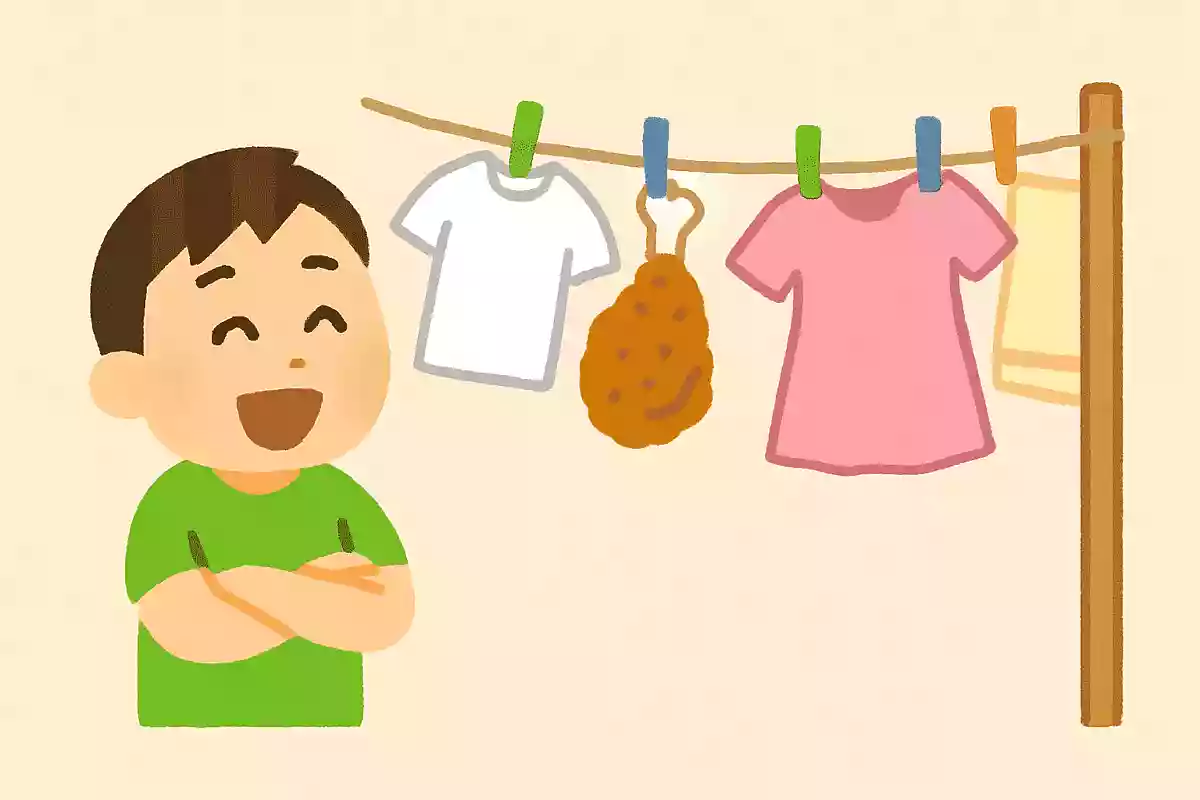
This is a question designed to lead you to the wrong answer through both the sound of the word and the wording of the problem.
After having someone repeat the word “Kentucky” ten times, you then ask, “What do you use to dry laundry?” Because the repeated word sounds similar and the question mentions laundry, people are nudged into giving the wrong answer: “washing machine.” That’s incorrect because a washing machine is for washing clothes; to dry them, you need a “dryer.” However, people who are used to washer-dryer combo machines with a drying function might not find this explanation convincing.
ShisaQ: What is the playground equipment that moves back and forth?
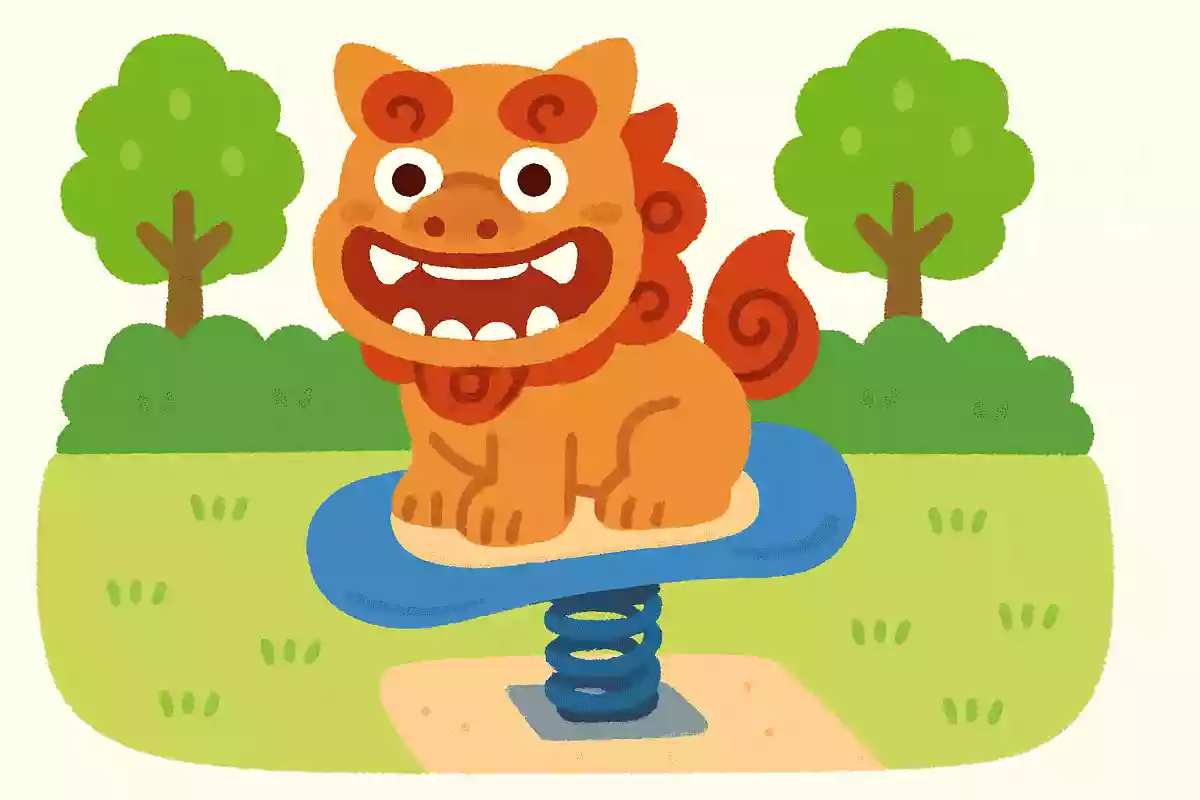
This is about guiding people toward an incorrect answer by setting up points that overlap with the correct one.
After having them repeat the word “shiisaa,” you ask the question, “What playground equipment moves forward and backward?” Because of the sound of the repeated word and the idea of equipment that moves in different directions, people are more likely to give the wrong answer “seesaw.” A seesaw moves up and down, so that’s incorrect—the correct answer is “swing,” which moves forward and backward.
Since the distinction is between forward/backward and up/down, it can also be important to use the pacing of the question to divert attention away from that detail.
PizzaQ: Where is this? (pointing at elbow)
Among the 10-times quiz questions, this might be the most famous one—it’s a riddle that plays on how words sound.
After having someone say the word “pizza” ten times in a row, you point to your elbow and ask, “What’s this?” It’s a simple trick: because they’ve been primed by the sound of “pizza,” many people answer “knee” (hiza) instead of the correct “elbow” (hiji).
Since a lot of people already know this one, it may be important to ask it quickly so they don’t have time to think.
MomotaroQ: Who was bullying the turtle?
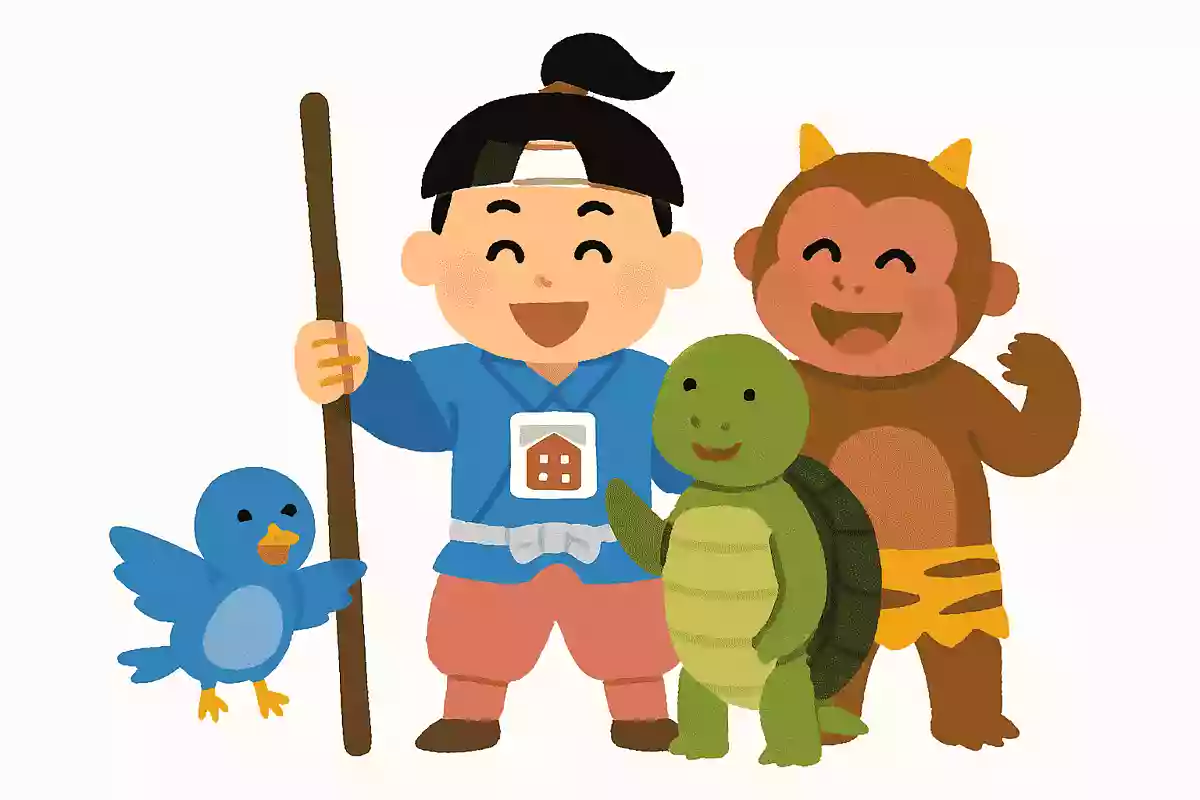
This is a 10-question quiz inspired by the storyline of a well-known folktale.
After getting people to say the word “Momotaro,” you then ask a question about “the person who was bullying the turtle.” Because the folktale’s hero Momotaro contains the striking name “Taro,” many people are led to mistakenly answer “Urashima Taro,” the hero of the folktale that features a turtle.
However, since Urashima Taro is the person who saved the turtle, the correct answer to the question is “the children.” The key to finding the right answer is to listen carefully to the question and instantly visualize the scene from the folktale.
mirinQ: Which animal has a long nose?
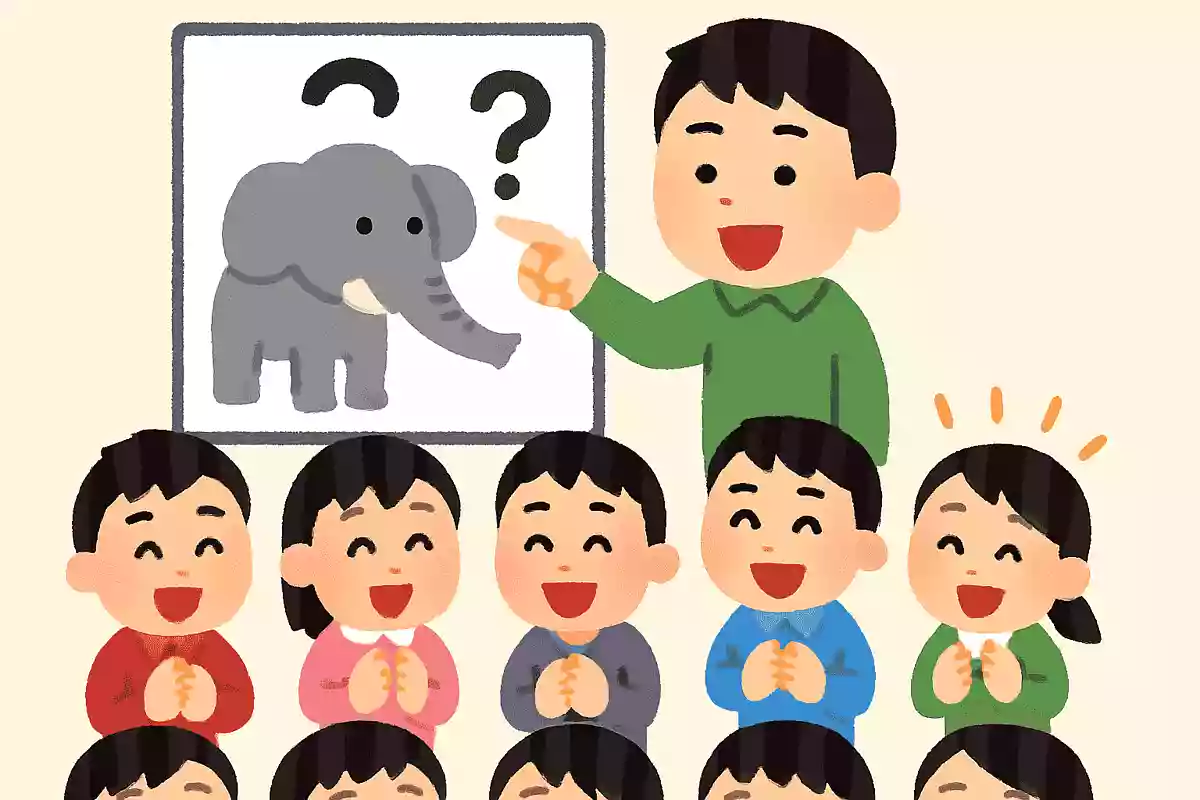
By skillfully steering attention to the striking features of distinctive-looking animals, you can elicit mistakes.
This is a question where, after getting someone to say “mirin,” you then ask about an animal with a long nose.
The shift from the name of a seasoning to an animal question is likely to cause confusion.
Because “kirin” (giraffe) sounds similar to “mirin” and is an animal known for having a long body part, people are prone to give the incorrect answer “giraffe.” However, the giraffe’s long part is its neck, so that answer is wrong; the correct answer is “elephant.”