


Interesting riddles: a collection of simple and fun questions

Riddles value flexible thinking and wordplay, and they’re said to be great for brain exercise and language training.
Indeed, the more associations you can draw from a question and the more words you know, the more riddles you’ll be able to solve.
In this article, we’ll introduce lots of easy and fun riddles!
We’ve included brief explanations along with the answers, so feel free to use them as a reference.
Now, let’s dive in and try some riddles!
Interesting riddles. A collection of simple and fun questions (1–10)
One leg is a needle and the other is a pencil—what is it?

See the answer
Compass
A compass has a needle on one side and a pencil on the other, right? If you picture the figure described in the problem statement carefully, many of you might have had a flash of insight.

Where is a place where crocodiles are always doing handstands?

See the answer
garden
It’s a riddle where the key is the phrase “the crocodile is upside down.” If you read ‘wani’ (crocodile) backwards, it becomes ‘niwa’ (garden), so the answer was “garden.” Since it had few characters, it might have been a bit easy!
What sport do grasshoppers like?

See the answer
baseball
In baseball, the person who hits the ball is called a batter. If the word made you think of 'grasshopper' (which sounds the same in Japanese), you might have gotten it right, don’t you think?
What is the ball that has something inside it?

See the answer
cardboard
Even though it’s a “ball,” you can put lots of things inside a cardboard box, right? If you’re someone who can think of lots of words that include “ball,” this question was probably easy for you to answer.
What kind of chair would an octopus sit on?

See the answer
Taco rice
It was a riddle where you had to find a word that contains both “tako” (octopus) and “isu” (chair). It might have been a bit difficult. By the way, taco rice is a local dish from Okinawa that consists of taco fillings from Mexican tacos served over rice.
What condiment will agree with anything?
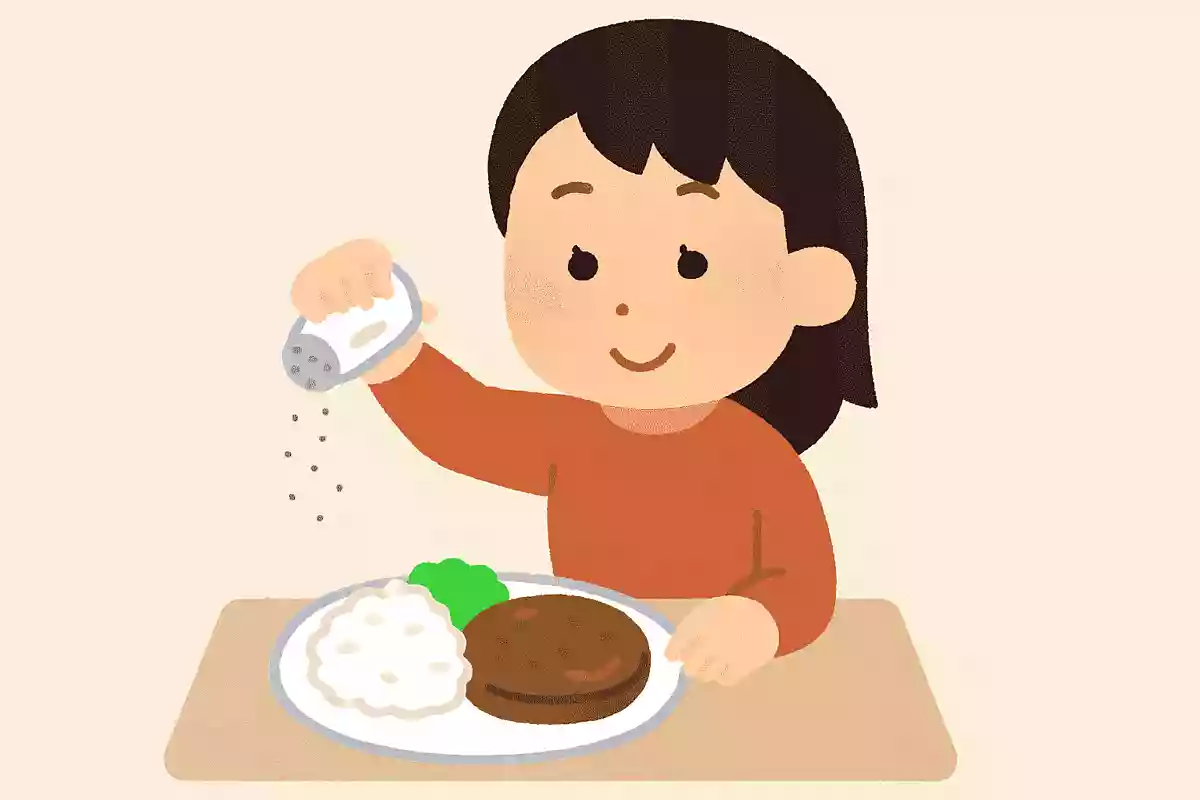
See the answer
source
“Sandō shite kureru” means someone will agree with your opinion. The source might be the kind of person who says a breezy “So—ssu!!” and readily agrees to anything.
Why is there a box with grass inside?

See the answer
chopstick case
If you put “しば (shiba)” inside “はこ (hako),” it becomes “はしばこ (hashibako).” It’s easier to understand if you think of the problem written entirely in hiragana!