

Interesting riddles: a collection of simple and fun questions

Riddles value flexible thinking and wordplay, and they’re said to be great for brain exercise and language training.
Indeed, the more associations you can draw from a question and the more words you know, the more riddles you’ll be able to solve.
In this article, we’ll introduce lots of easy and fun riddles!
We’ve included brief explanations along with the answers, so feel free to use them as a reference.
Now, let’s dive in and try some riddles!
- Easy Riddles for Elementary School Students
- [Interesting] A collection of brain teaser quiz questions. Let's train your brain!
- [Simple Riddles] A curated selection of fun questions that will excite everyone from kids to adults!
- [Challenging and Fun!] Quizzes & Riddles for Adults
- [Funny] Mean! 10-times Quiz/Question Collection
- Fun for kids and adults alike! Train your brain with easy riddles.
- [Easy] Quizzes That Elementary School Students Can Solve! A Collection to Nurture Wisdom
- Animal riddles
- Do you get tripped up too? A fun roundup of 10-time quiz questions
- [Interesting] Compilation of Trivia Quiz Questions
- [Trick Quiz] Quiz Questions That Excite Everyone from Kids to Adults
- Mental Workout: Casual Challenge! Riddles for Adults
- Fun quizzes for elementary school kids: a collection of questions everyone can enjoy together
Interesting riddles: A collection of easy and fun problems (21–30)
What animal gets lighter when you flip it over?
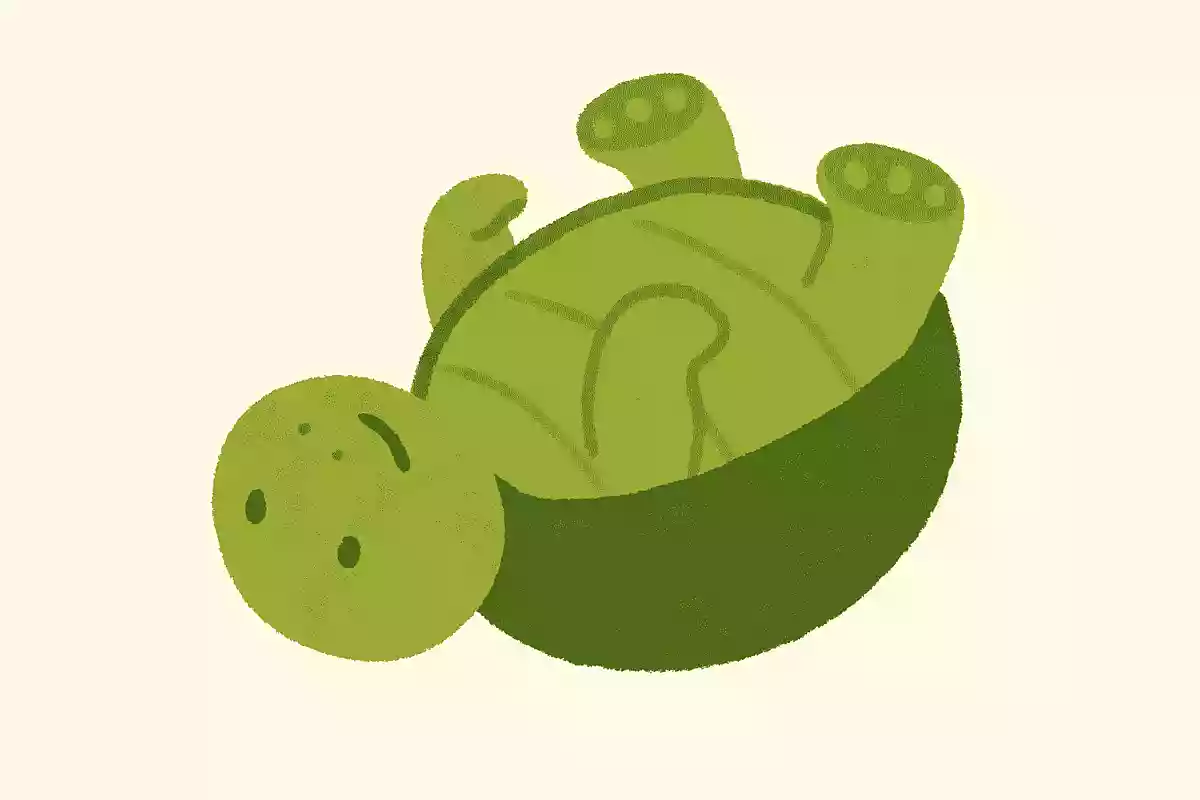
An animal that gets lighter when flipped over… Just imagining various animals flipping over makes you feel warm and fuzzy, doesn’t it? But no matter how many real animals you flip, you won’t reach the answer! And since there are so many animals, guessing at random won’t help much either.
The key to solving this riddle is to focus on the crucial word “karui” (軽い), meaning “light.”
When written in katakana, it’s “カルイ” (karui).
If you flip it—i.e., read it backward—it becomes “イルカ” (iruka), which means “dolphin.” So the answer is “dolphin.”

No matter how many times you call it, it never answers—what is it?

If you call your dad or mom, your teacher or your friends, they all answer you, right? But in this world, there are things that won’t respond no matter how much you call them… What are they? The answer is something you all know well.
The key to solving this riddle is to focus on the hiragana word yondemo.
First, try converting it to kanji.
If you try different options like 呼んでも (even if you call) and 読んでも (even if you read), you’ll arrive at the answer.
By the way, the correct answer is “a book.”
Interesting riddles: A collection of easy and fun problems (31–40)
What is something that won’t break no matter how much you try to break it?
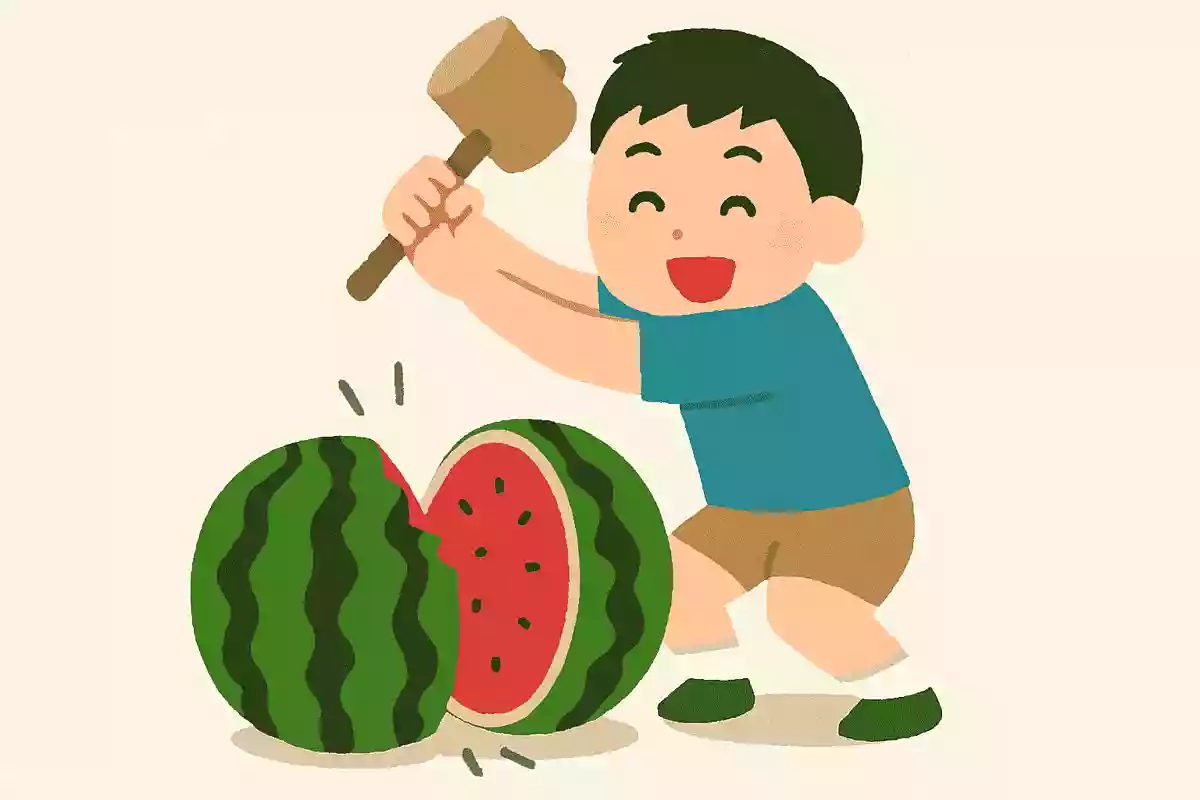
Have you ever had the experience of dropping something and breaking it? As the saying goes, “Anything with form will eventually break,” and glass or pottery will most likely shatter if you drop it.
But there are things in this world that don’t break even when you split them! In fact, they aren’t objects.
If you’re an elementary school student, isn’t there something you split during class? With that hint, you’ve probably figured it out.
The answer is “division.”
What kind of shell becomes scary when even 10 small ones gather together?
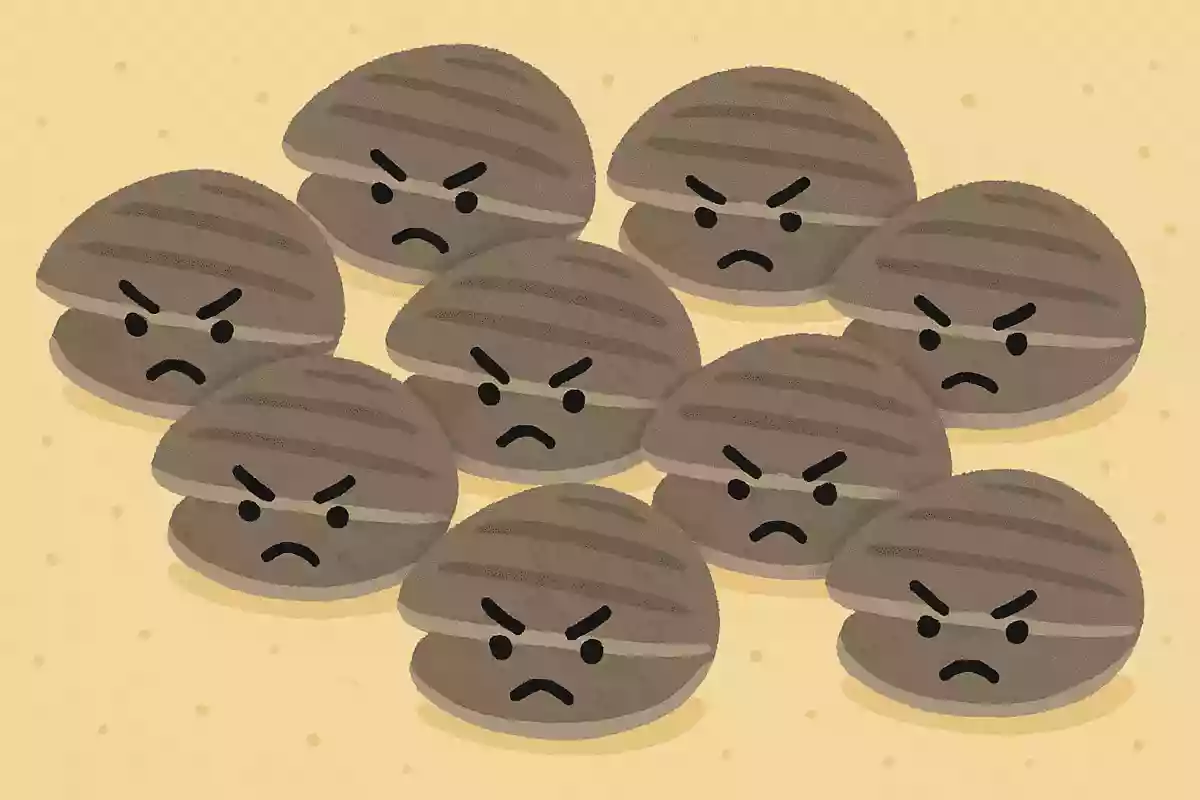
It’s a riddle that calls to mind Swimmy, the story where many small fish band together to drive away a big fish.
A shellfish that becomes scary when even ten of them gather… What do you imagine? This riddle doesn’t require much knowledge; it tests your flashes of insight, imagination, and point of view.
First, read the question carefully.
Then, rewrite the key words “shellfish” (kai) and “ten” (juu) into hiragana.
When you line them up, the name of a frightening creature should appear.
The answer is “kaijuu” (monster).
What kind of shellfish is a shellfish that’s taking a bath?

Speaking of shellfish, many of you have probably eaten clams, turban shells, or abalone at least once.
Some of you may have gone clam digging, caught and eaten shells yourselves, or searched the beach for shells to use as craft materials.
Here’s a riddle about shellfish.
We usually think shells live in the sea, but apparently they’re in the bath, too.
However, since this is a riddle, thinking about the biology or types of shellfish won’t help.
Start by taking “kai” as the keyword and associating it with things or words related to baths.
The answer is attakai (warm)!
Turn a kitten upside down and it’s still a kitten. What do you get if you turn a puppy upside down?
@igosso.youtube♪ Original Song – Igossou [YouTube] – Igossou [YouTube]
Let’s try a quiz about animals.
If you turn a kitten upside down, it’s still a kitten; if you turn a puppy upside down, it becomes… what? You’ll probably think, “Kitten is ‘koneko’… sure, even read backwards it’s still ‘koneko,’” and then tackle the question.
But if you follow that line of thinking, a puppy is ‘koinu,’ which can’t be read the other way around, and you’ll get stuck.
That’s when you should remember it’s a trick question.
That very line of thinking is the trick.
If you simply state the fact as it is, that’s the correct answer.
Trick Riddles and Mean Quizzes

Answer without falling for the trick! Here are some ideas for tricky riddle quizzes.
These riddles come with sneaky twists! Read each question carefully and work your way to the answer.
For example, you might see a question like: “There’s a car carrying an American and an Indian.
Who is driving the car?” Maybe some of you figured it out right away just from reading the question.
Aim for a perfect score and give it a try!
In conclusion
We’ve introduced a bunch of riddles, from easy ones to some that make you think a little. How many did you get right? If you found the riddles in this article fun, be sure to try the others too. And if you managed to answer all of today’s riddles correctly, you might enjoy creating your own riddles as well. Keep enjoying riddles!