

Take on the challenge like a puzzle! A collection of logic quizzes that also work as brain teasers.

A set of logic riddles that let you tackle problems with the mindset of a master detective.
Enjoy quizzes that appeal to all ages, from children to adults!
Many of the questions aren’t easy to solve by just reading the text as-is—you’ll often need a flash of insight and creative thinking.
Thinking about the precise meanings of words or jotting things down on paper or a board may lead you to the correct answer.
There are plenty of humorous questions too, so they’re great for brain exercises or recreational activities.
Give them a try—from casual, easy puzzles to more difficult challenges!
Challenge yourself with a puzzle-solving vibe! A collection of logic riddles that also work as brain teasers (1–10)
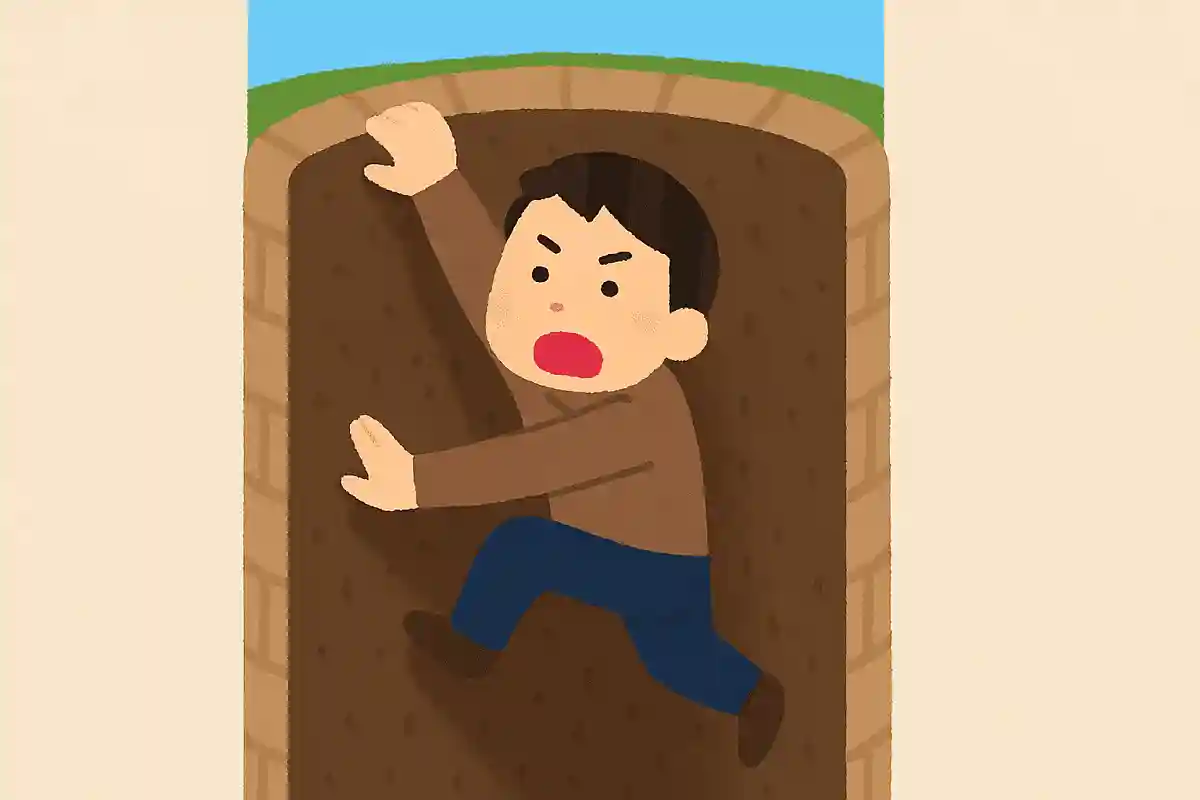
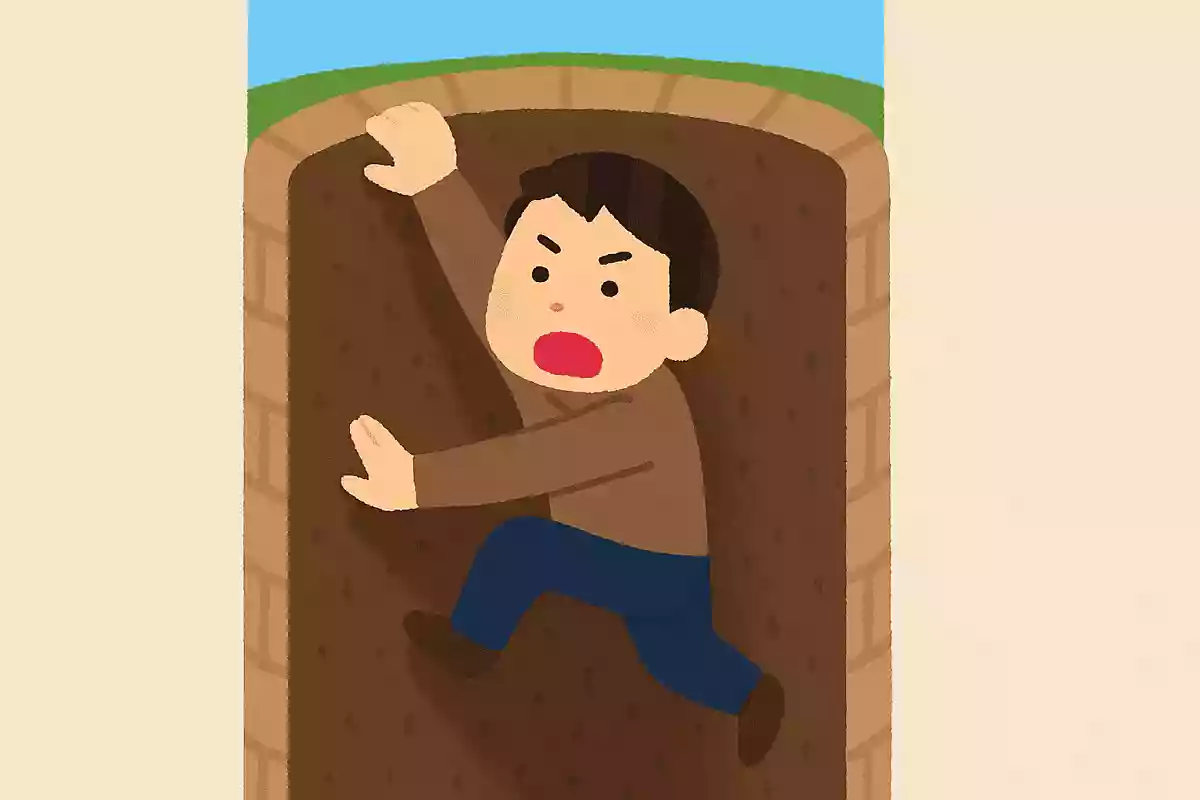
There is a man who has fallen into a 30-meter-deep well. He climbs 3 meters every hour, but immediately slips back 2 meters. How long will it take him to escape from the well?
See the answer
28 hours
After 27 hours have passed, the man is at the 27-meter mark from the bottom of the well. From there, he can climb 3 meters in one hour and escape—this is a logic puzzle. At first glance, it might seem like it would take 30 hours, but if you calmly note that he climbs 1 meter net each hour, you can solve it.

You were running a race and you passed the person in 4th place. What place are you in now?

See the answer
4th place
Even if you pass the person in 4th place, you won’t move up to 3rd; only your positions swap. It’s easier to understand if you imagine an actual running scene. This is a quiz where the key to the correct answer is whether you can interpret the simple wording as is.
I arranged to meet a friend from the United States who lives in Tokyo, and I got a message saying, “I’m at a place whose name is the same whether you read it from the top or from the bottom.” Where is this friend? Hint: They’re likely at ‘Takadanobaba’ (a palindromic place name in Japanese when written vertically).

See the answer
Akasaka
This is a quiz where you can figure out Japanese place names by writing them in Roman letters, since many foreigners read Japanese place names in romaji. When you write Akasaka in romaji, it becomes “AKASAKA,” and it reads the same from either direction, doesn’t it?
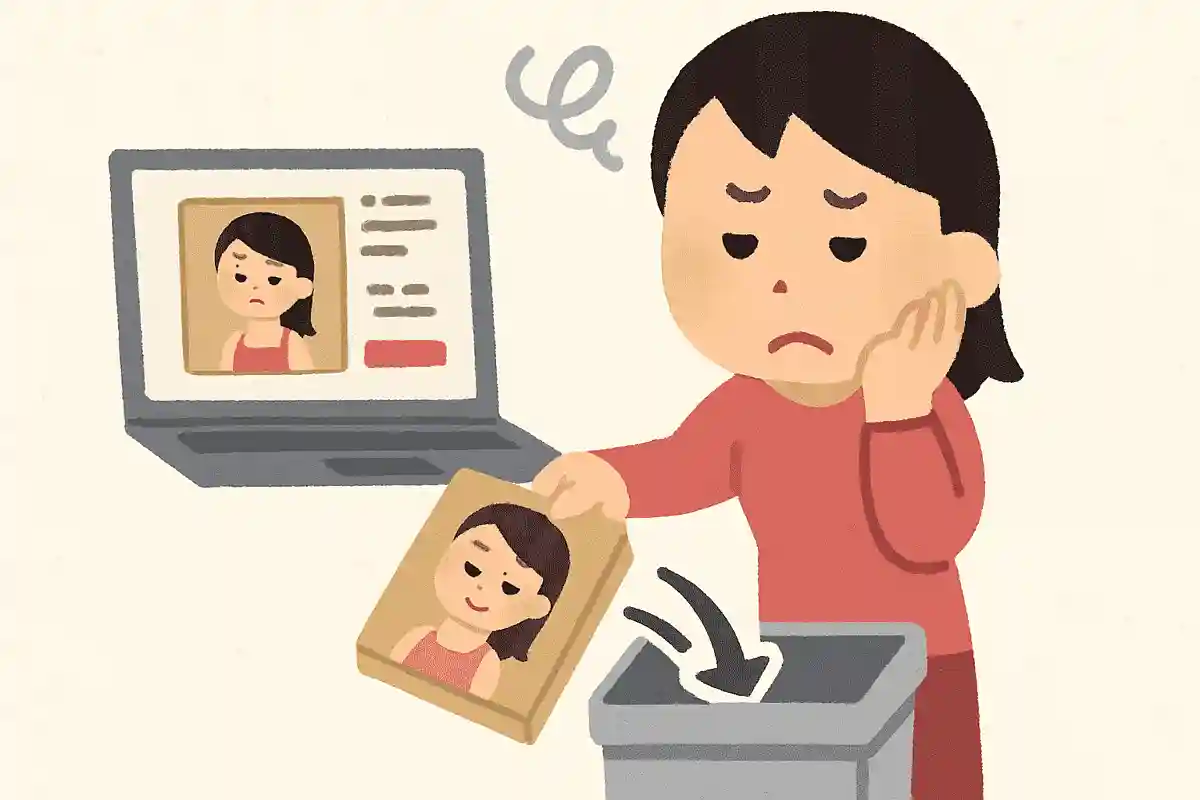
A woman bought an item online that she’d been looking forward to, and as soon as it arrived she threw it in the trash. Why did she do that?
See the answer
Because it was something to be used for the trash can.
It’s about buying items to put inside a trash can, such as dividers or bags. It’s like a trick question: the key is realizing they’re products meant to be used, not thrown away. Many people unconsciously get it wrong because of the word “trash can,” making it a popular logic puzzle.
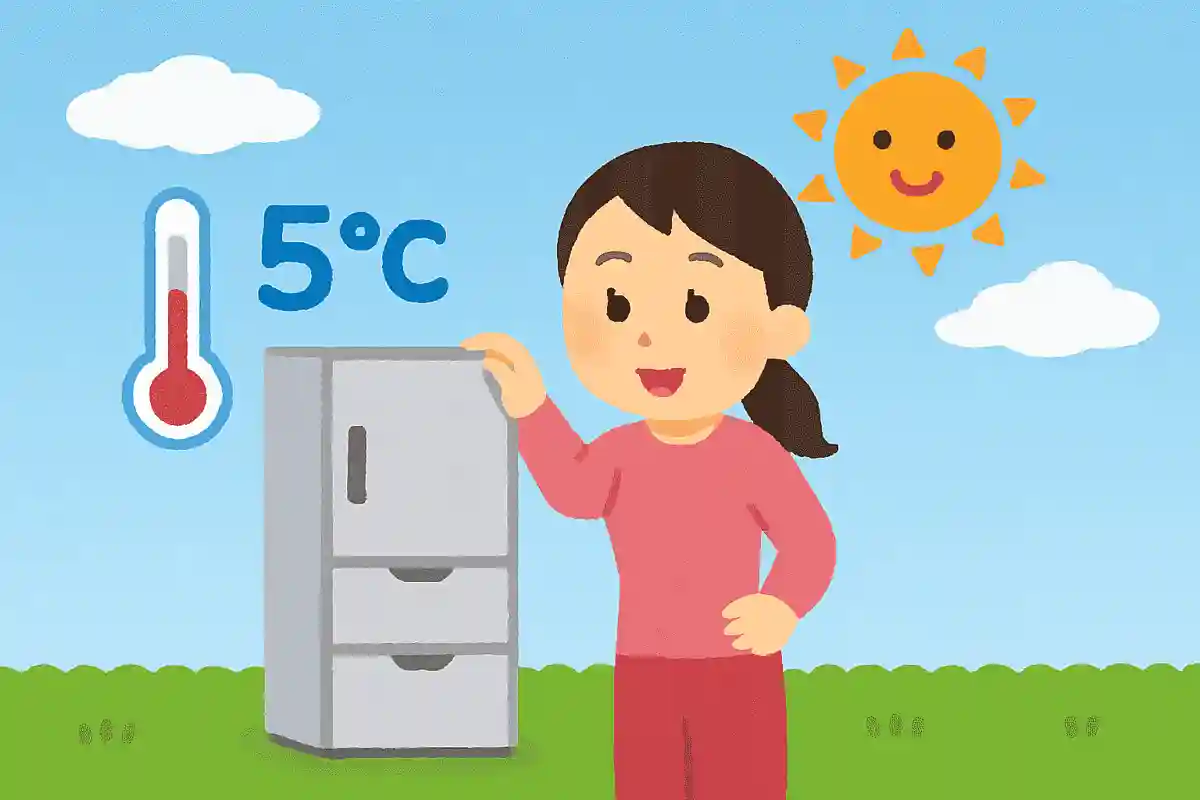
If you’re selling refrigerators in a region where the high temperature only reaches 5°C, how should you communicate so that people will buy a refrigerator?
See the answer
To prevent the freezing of food and other items
In areas where the highest temperature is 5°C, there should be many days when it gets even colder. As for refrigerators, they only cool down to temperatures that don’t cause freezing, so we can promote purchases with the aim of preventing items from freezing.
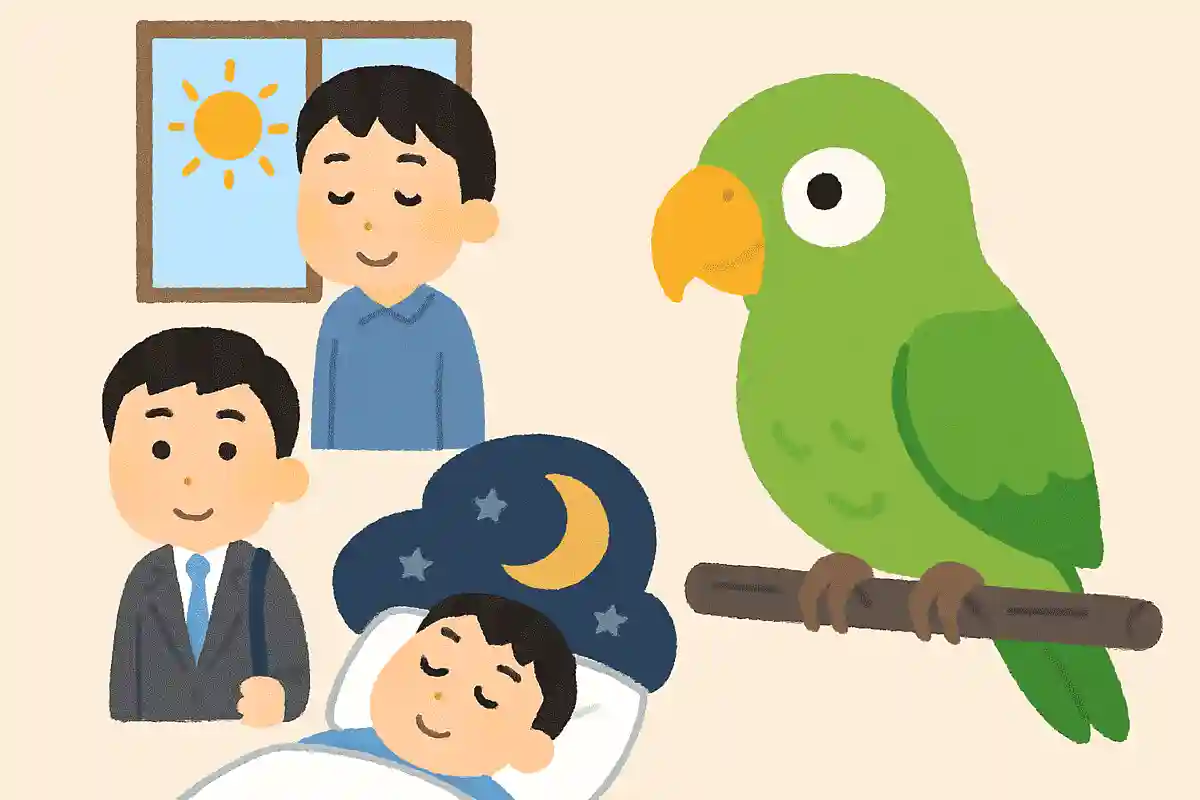
Suppose you have a parrot. When you wake up in the morning it greets you with “Good morning,” when you come home it says “Welcome back,” and when you go to bed it says “Good night.” What’s strange about this story?
See the answer
When you come home you’re supposed to say 'I’m back,' but the parrot, instead of mimicking you, says 'Welcome back.'
If you imagine actually going home to a house where a parrot is waiting, you’ll notice something odd about the problem statement. Understanding a parrot’s habit of repeating the same words is also key to solving the quiz.
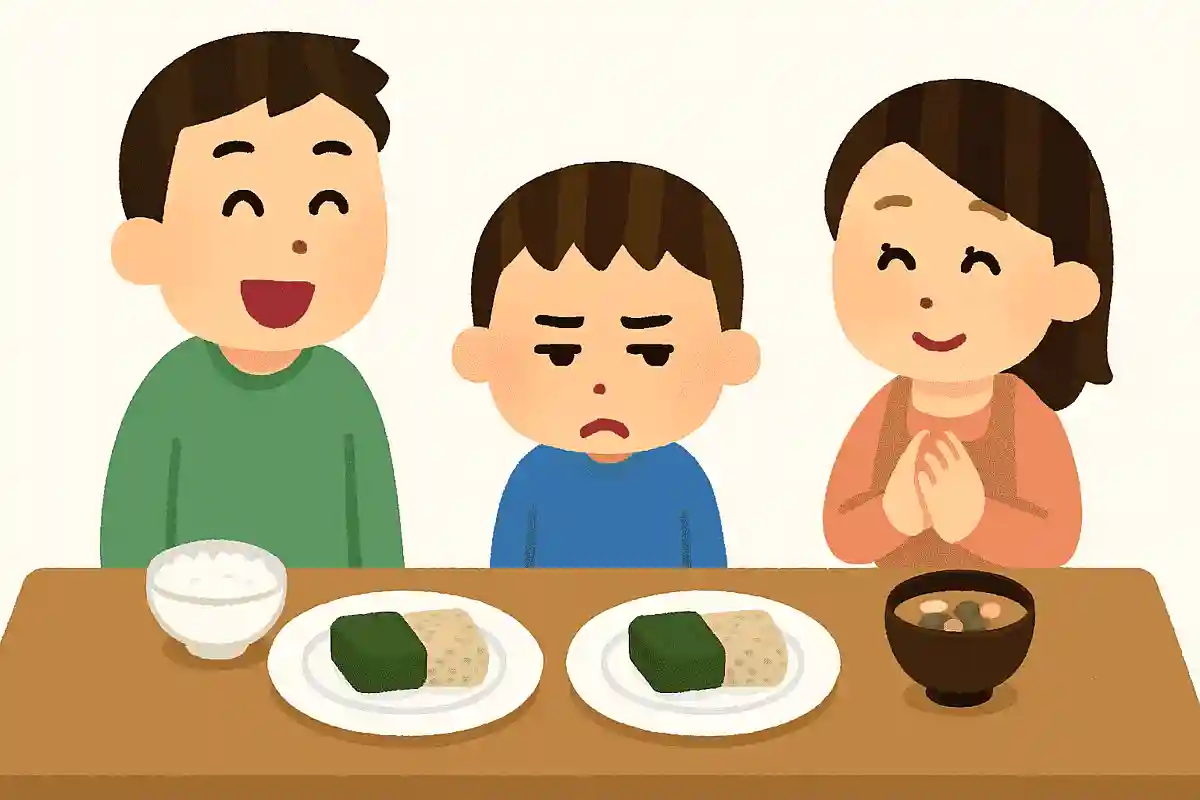
Seeing the dishes laid out on the table, the husband laughed and said, “Looks like we’ve got an easy meal today,” which made the child grimace, but earned him gratitude from his wife. Why is that?
See the answer
Because my husband cooked
Even if it was a shortcut meal, the fact that the husband cooked makes his wife happy. It’s also understandable that their child would make a face because it was a shortcut meal. It’s a heartwarming logic puzzle that conjures up warm family interactions.