



Takkyu Ishino, the composer for Denki Groove, is also active as a solo artist under the name takkyu ishino and as a DJ.
Denki Groove—and their predecessor band, Jinsei—are renowned for their performances, and his easygoing demeanor has won him a devoted, ever-growing fanbase.
Spotlight on him!
We’ve carefully selected and picked out tracks that have been especially popular so far!
His style is consistent—never simply chasing fads, yet never ignoring trends—delivering a sound that feels like a continual update of the techno that took the world by storm in the early ’90s.
If you find a track you love, grab the CD on Amazon!
Go ahead and make it yours!
- Takkyu Ishino’s Most Popular Songs Ranking [2026]
- Top Electric Groove Songs Ranking [2026]
- From Japan! Technopop masterpieces and recommended popular tracks
- Classic and popular tracks in Japanese techno
- The Appeal of 80s Techno Kayō: Classic and Popular Technopop Songs
- Perfume’s Best and Most Popular Songs [Technopop]
- Haruomi Hosono’s Most Popular Songs Ranking [2026]
- [90s Music] Shibuya-kei Classics: Recommended Popular Songs
- Kiyoshiro Imawano’s classic and popular songs
- Popular songs by TOKIO. A collection of tracks recommended for Japanese rock fans.
- ACIDMAN’s classic and popular songs
- NOKKO’s hit and popular songs
- Masterpieces and popular songs by Tokyo Jihen
Takkyu Ishino’s Best and Most Popular Songs (1–10)
Stereo NightsTakkyu Ishino
The karaoke-style music video is distinctive.
It features a use of the vocoder that was rare in technopop at the time.
Takkyu Ishino, playing a taxi driver, takes a woman to a land of dreams.
Combined with the visuals, it’s a catchy number that’s very popular with fans.
It carries a near-futuristic vibe reminiscent of Daft Punk, yet under Ishino’s hand it’s crafted into a sound that, in just the right balance, feels like down-to-earth local gourmet.
Ghost in the ShellTakkyu Ishino

This is the track used in the opening of the PlayStation game Ghost in the Shell, released in 1997.
Despite its simple style, it’s a cool piece that perfectly matches the game’s world.
Even though it doesn’t have lyrics or a clear melody, it somehow sticks in your head—an impressively memorable track.
It’s a song that really lets you feel the unique appeal of techno!

Tutti Frutti(Takkyu Ishino Remix)New Order

A remix of the new wave legends NEW ORDER, transformed into a floor-oriented track! It now features a distinctive, undulating bassline and an acid-tinged sound.
Japanese-produced techno remixes often lack a proper, authentic vibe, but this track is built to work on dance floors worldwide.
It’s a relatively new release from 2016.
PolynasiaTakkyu Ishino

Percussion sampled into a sampler.
It has a raw, lifelike sound, as if it were field recorded.
Chopped up and cut, it intertwines exquisitely with the TR-909 hi-hats to create a tribal techno groove.
As you can see, the music video depicts a gas explosion in slow motion.
A track that evokes old-school tribal techno like Joey Beltram.
Gamer‘s Night (Takkyo Ishino Remix)Mijk`s Magic Marble Box

A remix by Mijk’s Magic Marble Box, better known under the name Mijk Van Dijk.
Released in 1995 on the German label Superstition, this track features a madness-tinged melody that injects a sense of urgency into the dancefloor.
It incorporates a very short looped TB-303 bassline, and the flickering timbre of the toms creates a rising, build-up style of excitement.
BoteTakkyu Ishino
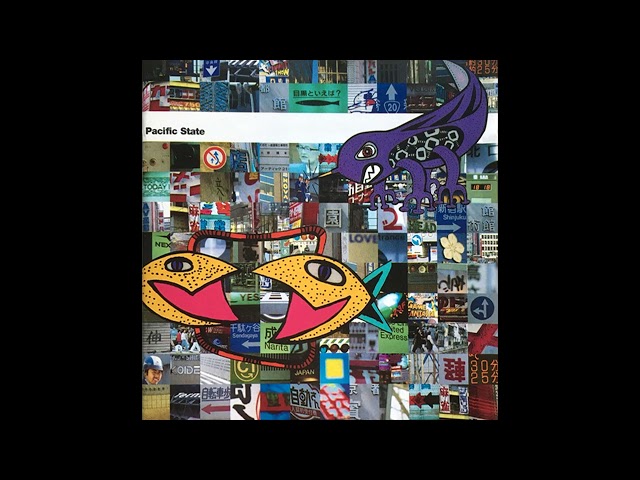
A track from a compilation album released by Deviant Records in 1997.
Looking back now, what a stellar lineup: Ken Ishii, Boom Boom Satellites, Q’hey, Yoshinori Sunahara, Rei Harakami, and even DJ Krush are all on it.
The track’s style is old-school techno that doesn’t chase trends, even considering the context of the time.
Around this period, techno started to calm down a bit, and minimal began to catch on around the world.
Pike (Takkyu Ishino Remix)Hikashu

This is a release that Takkyu Ishino contributed a remix to in 1996, and it’s an incredibly addictive track.
It’s one I’d love fans to revisit.
If you had to categorize it, it would fall under minimal techno.
Like Lil Louis’s “French Kiss,” it slows down partway through, and only then do you start to make out what’s being said, because the original vocals by Hikashu’s Koichi Makigami have been chopped up so finely.