

Iconic songs by Japanese rock bands from the 2000s [J-Rock]


The songs by Japanese rock bands that colored the music scene of the 2000s are all timeless classics that continue to influence many successor bands even in 2026.From Japanese rock that led the culture later dubbed the “Rokin’ On” scene, to youth punk with passionate messages that strike the heart, festival-dominating melodic hardcore, glamorous visual kei, and intense loud rock—this was an era where diverse music blossomed.In this article, we’ll introduce a selection of heartfelt masterpieces as a roster-style list of bands that were active in the 2000s.Use it as a reference for creating a playlist full of memories, and be sure to read to the end!
- Band Rankings Popular Among People in Their 40s [2026]
- [Neo-Visual Kei] A roundup of popular songs by V-kei bands from the 2000s
- A roundup of nostalgic bands recommended for men in their 30s [’90s & ’00s]
- All big hits! A roundup of classic J‑Pop songs that were popular in 2000
- 2000s Japanese Hits | Unforgettable Once You Hear Them! Exquisite Masterpieces
- A compilation of cool Japanese rock band songs. Recommended tracks for cover bands.
- [2026] Cool Japanese Rock Bands: From Rising Talents to Veteran Acts
- [J-Rock] Timeless masterpieces that colored the 1990s. Nostalgic hit songs.
- [2026] Classic Japanese hard rock songs: A roundup of must-listen hits
- Nothing but iconic hits that defined an era! 2000s classics popular on TikTok
- Ranking of Popular Band Songs Among People in Their 20s [2026]
- Girls’ rock: female vocal bands that were active in the 2000s
- Male Singer-Songwriters of the 2000s: Popular Song Ranking [2026]
Iconic songs by 2000s Japanese rock bands [J-Rock] (21–30)
rose flowerkururi
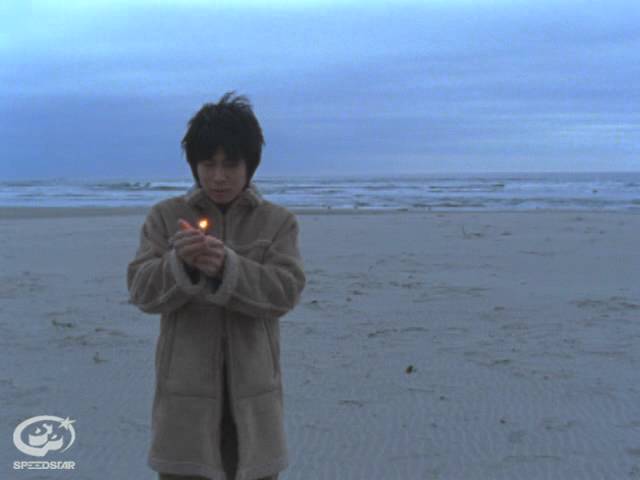
This is the seventh single by Quruli, a rock band formed by members of the Ritsumeikan University music circle Rock Commune.
The song was used as an insert track in the TV drama “Orange Days,” and has been covered by numerous artists.
Starting with a lyrical intro where palm-muted guitar and piano phrases overlap, the vocals enter with a slightly restrained melody, and the song progresses with a distinctive floating feel—very much the quintessential Quruli sound.
It’s a rock number with an addictive atmosphere that wasn’t seen in the J-pop scene of the 1990s.

Ultramarine DaysToukyou Jihen

This is the debut single by Tokyo Jihen, a five-piece rock band formed around Ringo Sheena—who enjoys immense popularity for her one-of-a-kind musicality—together with a lineup of top-tier musicians.
Beyond its distinctive vocals, every instrument commands attention, making for a track with a powerful, memorable impact no matter where you focus.
It became an emblematic song of a 2000s J-pop trend in which singer-songwriters were not presented as solo acts with backing bands, but as full-fledged members of a band.
The track is also known for its high quality, brimming with each member’s individuality.
A brisk, exhilarating rock tune that serves as both an introduction and a showcase of the extraordinary band that is Tokyo Jihen.
Midnight Claxon BabyTHEE MICHELLE GUN ELEPHANT

A track by THEE MICHELLE GUN ELEPHANT, the rock band known by abbreviations like “Michelle” and “TMGE,” which, despite their short period of activity, made a tremendous impact on the J-pop scene.
With an aggressive vocal delivery and a beefy, hard-hitting sound that screams “this is rock,” along with uniquely styled lyrics, this number lets you fully experience Michelle’s appeal.
The hysteric guitar tones and tight beats are the kind that naturally get any rock fan’s adrenaline pumping.
Within its short runtime, the song is packed with a one-of-a-kind sound that stood alone in the 2000s.
Tsubasaandāgurafu

A rock band from the Kansai region, Under Graph, whose name was chosen to express the idea of creating music that gives form to the deep, non-surface-level emotions of joy, anger, sorrow, and pleasure.
This is their first major-label single.
Although it had the lowest first-week sales among their major-label singles, it simultaneously went on to achieve their highest total sales, and is known as Under Graph’s signature song.
The intro’s sound—woven from a crisp, tight guitar and a floating, loose guitar—creates a distinctive impact.
For the 2000s, it’s a lyrical number whose somewhat nostalgic melody feels refreshingly new.
red-yellow fragrant olive (Osmanthus fragrans)Fujifaburikku

This is the third single by the rock band Fujifabric, who continued as a three-piece even after the sudden passing of Masahiko Shimura, their peerless singer-songwriter and central figure.
Released as the third entry in a series of singles themed around the four seasons, the song draws you into its world from the very beginning, with a gentle, autumnal arpeggio and the soothing resonance of slide guitar.
It’s a track where you can savor Fujifabric’s signature soundscapes—like the bassline that creates depth and the organ tones.
In the J-pop scene of the 2000s, when new musical sensibilities were emerging, this melancholic piece asserted its presence with an unwavering worldview and distinctive mode of expression.
higherthe band apart

This is one of the signature songs by the band apart, a group that carved out a unique presence in Japan’s rock scene of the 2000s.
Its melody, where fragility and beauty coexist, and lyrics that poignantly sing of wanting to soar high into the sky to reclaim what’s been lost, leave a lasting impression.
The track is included on the RECOGNIZE ep released in 2005.
The refreshing guitar riffs and groovy bass lines are also captivating, showcasing the band’s musicality to the fullest.
It’s the perfect song for moments when you’ve experienced heartbreak or setbacks and want to lift your spirits.
Be sure to listen closely to the lyrics and melody that will resonate in your heart.
The world calls it love.Sambomasutā

This is the fifth single by Sambomaster, a three-piece rock band known for their punk sound packed with shout-filled vocals that shake listeners’ hearts and lyrics with a fiery message.
Written specifically as the ending theme for the TV drama Densha Otoko, the song introduced many people to Sambomaster.
With lyrics that tie into the drama’s story and words that give you a push forward, it’s a powerful number brimming with the kind of intense messaging that’s quintessentially Sambomaster.
Even amid the diversification of musical styles in the 2000s, it delivers a timeless, straightforward rock tune.