

![Iconic songs by Japanese rock bands from the 2000s [J-Rock]](https://i.ytimg.com/vi_webp/IPBXepn5jTA/maxresdefault.webp)


The songs by Japanese rock bands that colored the music scene of the 2000s are all timeless classics that continue to influence many successor bands even in 2026.From Japanese rock that led the culture later dubbed the “Rokin’ On” scene, to youth punk with passionate messages that strike the heart, festival-dominating melodic hardcore, glamorous visual kei, and intense loud rock—this was an era where diverse music blossomed.In this article, we’ll introduce a selection of heartfelt masterpieces as a roster-style list of bands that were active in the 2000s.Use it as a reference for creating a playlist full of memories, and be sure to read to the end!
- Band Rankings Popular Among People in Their 40s [2026]
- [Neo-Visual Kei] A roundup of popular songs by V-kei bands from the 2000s
- A roundup of nostalgic bands recommended for men in their 30s [’90s & ’00s]
- All big hits! A roundup of classic J‑Pop songs that were popular in 2000
- 2000s Japanese Hits | Unforgettable Once You Hear Them! Exquisite Masterpieces
- A compilation of cool Japanese rock band songs. Recommended tracks for cover bands.
- [2026] Cool Japanese Rock Bands: From Rising Talents to Veteran Acts
- [J-Rock] Timeless masterpieces that colored the 1990s. Nostalgic hit songs.
- [2026] Classic Japanese hard rock songs: A roundup of must-listen hits
- Nothing but iconic hits that defined an era! 2000s classics popular on TikTok
- Ranking of Popular Band Songs Among People in Their 20s [2026]
- Girls’ rock: female vocal bands that were active in the 2000s
- Male Singer-Songwriters of the 2000s: Popular Song Ranking [2026]
Masterpieces by 2000s Japanese Rock Bands [J-Rock] (1–10)
All of the YouthNEW!Fujifaburikku

A classic by Fujifabric that blends fragility and beauty, the kind of song you suddenly want to hear at summer’s end.
Released in November 2007 as their 10th single, it was also included on the January 2008 album TEENAGER.
It has been featured widely in the media, including as the opening theme for the Nippon TV show “Oto Moe!” and in a LINE Mobile commercial.
The song captures emotions that mix the bittersweet feeling of passing seasons with the anxieties and hopes of growing up.
It’s perfect for listening on the way home at dusk or while feeling the slightly cooler night breeze.
A rock number that evokes nostalgia and resonates with memories across generations.
incredible speedNEW!andymori

A rock band that left a vivid impression despite their short period of activity, andymori delivers a track with a strong indie rock flavor.
Soyhei Koyamada’s vocals weave everyday scenes and a sense of restlessness into fragmentary words, while the raw, high-velocity band sound creates a refreshing feeling like sprinting straight through.
It’s the closing track on the album “andymori,” released in February 2009, and in 2025—15 years after its release—it drew renewed attention thanks to videos on social media.
Packed with energetic impulse in a short run time, this song is the perfect rock tune to lift your spirits on a sunny weekend drive or whenever you want a quick refresh.
A blue, deep, orange dayNEW!MASS OF THE FERMENTING DREGS

MASS OF THE FERMENTING DREGS is a rock band that continues to captivate fans with a fusion of ferocious roars and crystalline melodies.
Affectionately known as “Masudore,” they’ve led Japan’s alternative scene, and this track appears as the second song on their second album, “World Is Yours,” released in January 2009.
Co-produced with Kentaro Nakao, the record masterfully blends thick, layered guitar tones, exhilarating, high-velocity rhythms, and Natsuko Miyamoto’s vocals—aching yet powerful—in perfect harmony.
Rather than telling a direct story, the lyrics evoke emotion through color and a sense of blank space, leaving a vivid impression on listeners.
Since the 2020s, as the band has garnered overwhelming support from overseas, the song has achieved a staggering 15.8 million views on YouTube as of April 2026.
It’s an emotional number highly recommended for moments when you want to sink into the restlessness and nostalgia of youth, or when you want to feel the band’s overwhelming intensity.
JitterbugNEW!ELLEGARDEN

This is an ELLEGARDEN track where pounding beats and strong melodies coexist, giving you the courage to embrace doubt and failure and keep moving forward.
While holding onto the restless urgency of youth, it finds meaning in taking the long way around—a theme that resonates deeply with listeners.
It was used as the ending theme for a TBS music program in November 2003, helping to significantly boost the band’s profile.
Released as a single in November 2003, it’s also included on the classic album “BRING YOUR BOARD!!”.
A staple of their live shows, this song’s exhilarating sense of speed is invigorating, giving a push to anyone feeling stuck in daily life or hesitating to take on a new challenge.
Despair BillyNEW!Makishimamu Za Horumon

A track bursting with overwhelming energy, where fierce sound and densely packed wordplay intertwine.
It’s included as the second track on Maximum the Hormone’s classic 2007 album “Buiikikaesu.” Chosen as the second ending theme for the anime DEATH NOTE, it skillfully conveys the madness and foreboding atmosphere of the story’s latter half through sound.
The song kicks off with aggressive guitar riffs, and its thrilling structure—rapidly switching between shouts and catchy melodies in a short span—is a major draw.
While dealing with dark themes, it’s loaded with the band’s signature humor.
It’s a rock number you’ll want to blast when you need to blow away everyday frustrations or crank your energy to the absolute max.
Love SongNEW!GO!GO!7188

GO!GO!7188 was a three-piece band that blended traditional Japanese melodies with alternative rock and disbanded in 2012.
Their single “Koi no Uta,” released in October 2000, is a renowned track widely known as an on-air song for Nippon TV’s AX MUSIC FACTORY.
While evoking the raw energy of punk and garage, it features melodies with the familiarity of classic Japanese pop.
Its plainspoken lyrics capture unreachable feelings and frustration, gently resonating with listeners.
The tight, muscular performance unique to a three-piece is superb, making it a recommended song for anyone experiencing pure unrequited love or wanting to sink into a nostalgic rock ballad.
RebornNEW!Syrup16g
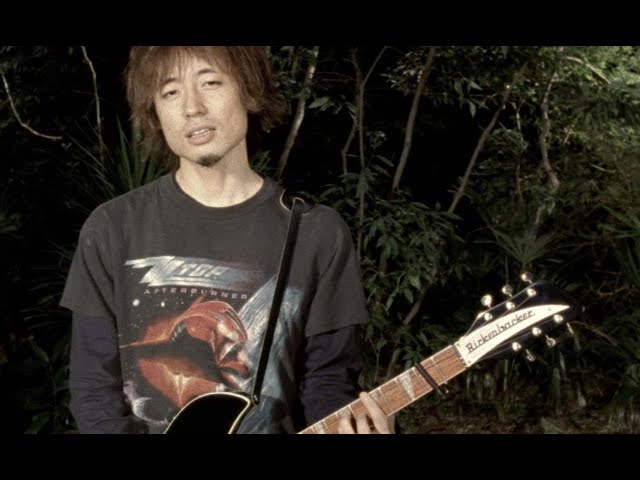
“Reborn,” a track included on syrup16g’s 2002 album “delayed,” has long been cherished as one of the band’s signature songs.
Upon its release, it was chosen as the opening theme for NHK-FM’s “Music Square,” and years later, in 2020, it was also used as the theme song for NHK BS Premium’s “Is There Any Home Video You Can’t Play Back?”.
Set against quiet arpeggios and vocals tinged with resignation, the song tells of gradually being reborn into a different self.
Its message, which seems to sketch a small hope beyond despair, will gently resonate with those who are deeply wounded or find life difficult.
Give it a listen when you want to immerse yourself in music alone at night.