

Classic and hit songs by nostalgic Japanese bands from the 1990s

The 1990s were an era when countless bands across a variety of genres were thriving.
Starting with the Being-kei bands, many visual-kei bands also emerged, and it was around the mid-90s that the melodic hardcore scene really took off in Japan.
Among them, quite a few bands are still active on the front lines today.
In this article, we’ll introduce classic songs by 90s bands that anyone who lived through that era will likely find “so nostalgic!!”
Of course, there are plenty of songs that feel nostalgic, but many of them are still beloved as timeless staples even now.
Please enjoy these tracks packed with the unique charm of that era.
- [J-Rock] Timeless masterpieces that colored the 1990s. Nostalgic hit songs.
- Debut song of a 90s visual kei band
- Band Rankings Popular Among People in Their 40s [2026]
- A special feature on classic and hit songs by bands that were active in the 1980s
- Popular Nostalgic Songs: J-Pop Ranking [1990s Japanese Music Ranking]
- Recommended Japanese bands for men in their 50s
- Iconic ballads of 90s J-pop: nostalgic mega-hits and fan favorites
- Ranking of Popular Songs by Japanese Male Singers from the 1990s [2026]
- Classic and hit J-pop songs from the nostalgic ’90s
- A coming-of-age song that was a hit in the ’90s. A classic and popular track in Japanese music.
- A 90s girls' band. A popular Japanese band.
- [Heisei Retro] Hit Japanese songs that defined the 1990s. Recommended J-POP classics.
- Hits that resonate across generations! Popular 1990s songs on TikTok
Classic and Hit Songs by Nostalgic Japanese Bands from the 1990s (81–90)
YAH YAH YAHCHAGE and ASKA
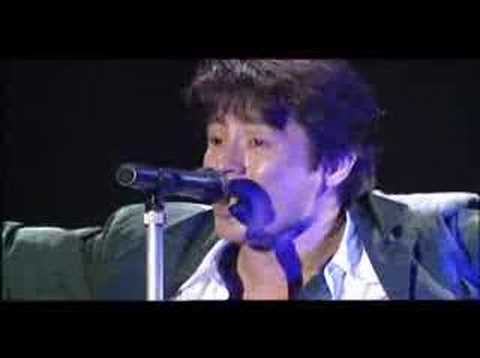
It’s their 31st single, and their first-ever double A-side single.
It was used as the theme song for the drama “If You Look Back, He’s There.” In the theme song’s video, CHAGE and ASKA are said to make cameo appearances.
In 2009, it was also featured in a Kirin Beer “Tanrei W” commercial.
Erotica SevenSazan Ōrusutāzu

Released as Southern All Stars’ 32nd single, it was used as the theme song for the Fuji TV drama “Akuma no KISS.” Kuwata, who wrote the lyrics and composed the music, has said that this song is the second installment of his “Eros Trilogy.” It became a hit second only to “TSUNAMI,” released in 2000.
That’s important.Daiji MAN Burazāzu Bando

Released as DaijiMAN Brothers Band’s 3rd single, it was used as the ending theme for TV Asahi’s “Sports Frontier.” After being selected as the theme song for Fuji TV’s “Hō-chan no Yamada Katsutenai TV,” its sales rose, and it reached No.
1 for January 1992.
Liar! Liar!B’z

This track seizes listeners’ hearts with its overwhelming guitar riffs and high-velocity sound.
Tak Matsumoto’s razor-sharp guitar work and Koshi Inaba’s powerful vocals blend beautifully, and the lyrics—offering a keen perspective on society—are equally compelling.
Released in October 1997 as the lead single from B’z’s ninth album, “SURVIVE,” it reached No.
1 on Oricon’s monthly chart.
It was also featured as the CM song for Perfect TV!’s “MUSIC FREAK TV” and served as the official theme for the NHL’s 1997 Japan Opening Series.
With its aggressive sound and strong message, this song is perfect for moments when you want to fire yourself up or stay true to your convictions.
lipsGLAY

A masterpiece that sensually portrays a heartrending romance, it deftly captures emotions swaying between passion and desire.
The protagonist’s irrepressible impulses and a foreboding sense of love’s fragility fuse beautifully in this gem of a song.
Released in May 1997 by GLAY, it was used as the ending theme for Fuji TV’s music program “HEY! HEY! HEY! MUSIC CHAMP” and topped the Oricon Singles Chart.
That autumn, it was also included on the acclaimed album “REVIEW – BEST OF GLAY.” It’s a track that resonates deeply when you want to unleash the passion hidden in your heart or when your feelings for someone special are growing stronger.
The powerful performance and emotional vocals create a world that will gently embrace not only rock fans but also anyone struggling with love.
WALKHUSKING BEE

It’s a powerful, catchy rock number that feels nostalgic and somehow brings you to tears! It’s a song by HUSKING BEE, the band fronted by Masafumi Isobe, included on their first album, GRIP, released in 1996.
The lyrics reflect the life you’re walking straight on, and the passionate vocals really hit you.
It’s like… your heart starts to burn! When you’re feeling down after making a mistake, this song might just help you.

Classic and Hit Songs by Nostalgic Japanese Bands from the 1990s (91–100)
DESIRELUNA SEA
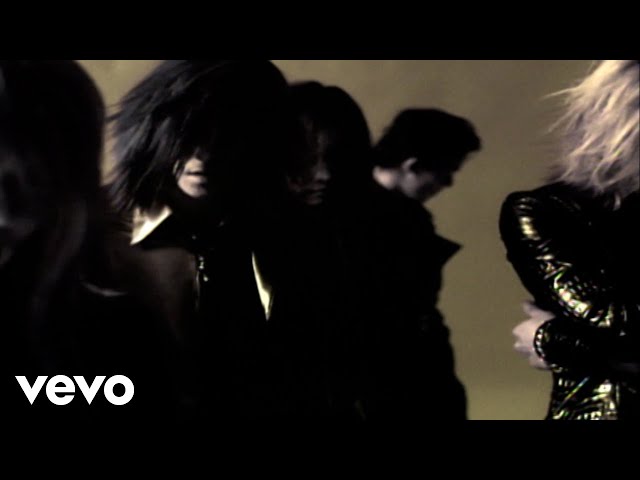
A quintessential 90s masterpiece that belts out passionate love.
This is a tour de force packed with LUNA SEA’s aggressive stance and fresh experimentation.
Rooted in alternative rock while weaving in elements of post-punk and goth rock, it unfolds a distinctive sonic world.
Released in November 1995, it topped the Oricon Singles Chart, stayed on the charts for 14 weeks, and became the band’s second best-selling single.
The lyrics, depicting fierce, profound love along with the accompanying anguish and resolve, resonate deeply with listeners.
Highly recommended for those who want to connect with the racing heartbeat and bittersweet emotions of being in love.