

Classic and hit songs by nostalgic Japanese bands from the 1990s

The 1990s were an era when countless bands across a variety of genres were thriving.
Starting with the Being-kei bands, many visual-kei bands also emerged, and it was around the mid-90s that the melodic hardcore scene really took off in Japan.
Among them, quite a few bands are still active on the front lines today.
In this article, we’ll introduce classic songs by 90s bands that anyone who lived through that era will likely find “so nostalgic!!”
Of course, there are plenty of songs that feel nostalgic, but many of them are still beloved as timeless staples even now.
Please enjoy these tracks packed with the unique charm of that era.
- [J-Rock] Timeless masterpieces that colored the 1990s. Nostalgic hit songs.
- Debut song of a 90s visual kei band
- Band Rankings Popular Among People in Their 40s [2026]
- A special feature on classic and hit songs by bands that were active in the 1980s
- Popular Nostalgic Songs: J-Pop Ranking [1990s Japanese Music Ranking]
- Recommended Japanese bands for men in their 50s
- Iconic ballads of 90s J-pop: nostalgic mega-hits and fan favorites
- Ranking of Popular Songs by Japanese Male Singers from the 1990s [2026]
- Classic and hit J-pop songs from the nostalgic ’90s
- A coming-of-age song that was a hit in the ’90s. A classic and popular track in Japanese music.
- A 90s girls' band. A popular Japanese band.
- [Heisei Retro] Hit Japanese songs that defined the 1990s. Recommended J-POP classics.
- Hits that resonate across generations! Popular 1990s songs on TikTok
Classic hit songs by nostalgic Japanese bands from the 1990s (21–30)
Singin’ in the Rainthe pillows

In May 1991, the Pillows included an ambitious track—marking their major-label debut—on the album Moon Gold.
The story begins as the protagonist arrives in a rain-soaked city in search of a new life, vividly capturing a youthful moment of setting out on a journey of self-discovery, despite loneliness and uncertainty.
Inspired by the American film Singin’ in the Rain, the song blends a bright, sprightly melody with energetic performance to create a hopeful piece.
Sawao Yamanaka’s passionately charged vocals, together with the layered sound crafted by the entire band, are sure to resonate deeply with listeners.
It’s a song that gently nudges you forward when you’re trying to face ahead or take a new first step.
Turn your feet toward the dance hall on 3104th Street.BLANKEY JET CITY

It’s a track that was included on their third album, frequently played live and also featured on their best-of compilation.
Fans know it well, but since it wasn’t released as a single, I think its general recognition is quite low.
It’s an up-tempo tune that’s pure, full-on Blankey style.
Young PeopleSanīdēi Sābisu

This is a song whose vocals seep into the heart like gentle sunlight, paired with a strikingly beautiful melody.
Through small everyday moments and scenery, it portrays the delicate emotions of adolescence—anxieties and conflicts about growing up, and the uncertainty of staying true to oneself.
The vocals are understated yet leave a deep afterglow, and the simple but richly expressive performance draws you into its world.
Released in April 1995 on Sunny Day Service’s major-label debut album “Wakamonotachi,” it has long been cherished as one of the band’s signature works.
It’s best enjoyed on a quiet night, alone with your thoughts.
You may find that the unspoken feelings in your heart are gently embraced.
HOWEVERGLAY
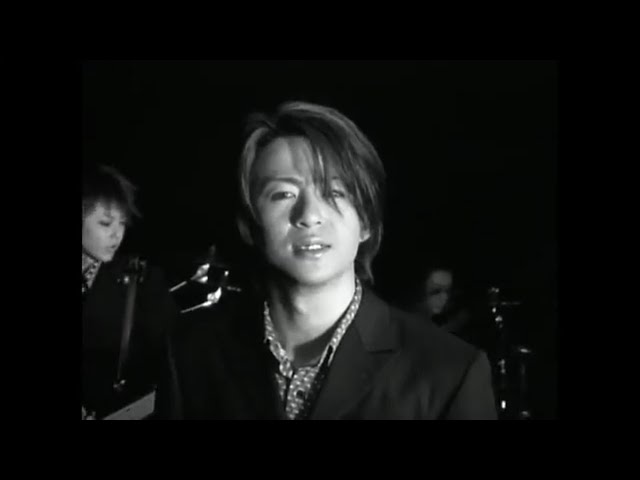
By now, there are probably many younger people who don’t know that GLAY began their career in the visual-kei scene and made their indie debut on Extasy Records, run by YOSHIKI of X JAPAN.
As you know, the four-piece from Hakodate, Hokkaido have long transcended narrow genre boundaries and continue to enjoy steady popularity well into the 2020s.
They boast the honor of having the third-highest cumulative CD album sales in Japan’s history, and their popularity—especially from the mid to late ’90s onward—was truly phenomenal, as they churned out one era-defining hit after another.
Their first million seller was the classic ballad “HOWEVER,” released in 1997.
It hardly needs any introduction at this point, but pay special attention to the bass line, which makes smart use of rests and was crafted with a reggae-tinged rhythm in mind—it’s incredibly cool, so be sure to listen for it!

Winter,againGLAY

This is GLAY’s 16th single.
It seems that TAKURO intentionally composed the intro with Celine Dion’s 1997 Titanic theme song, “My Heart Will Go On,” in mind.
The song uses many difficult words that you rarely encounter in everyday life.
BoogieTHEE MICHELLE GUN ELEPHANT

Although it even had a music video made for it on the Oricon No.
10 album “Chicken Zombies,” this track has been somewhat underappreciated—perhaps because the same album includes killer tunes like “Get Up Lucy” and “Birdmen,” which overshadow it.
It gives a modest impression with its mid-tempo pace, but its appeal really comes through after repeated listens.
Freeze My LoveGLAY

A single released in 1995.
It was written before they broke through, and it carries a rough, indie-like vibe overall.
Despite the dark atmosphere and tense mood of the track, TAKURO’s guitar solo is passionate, and this contrast feels like it’s moving from shadow to light, which is really cool.