

A collection of nostalgic Japanese hit songs from the 1980s that still linger in our ears


Speaking of the 1980s, it was a time when countless timeless hits emerged that remain popular even today!
It was also an era filled with artists who influenced many of today’s musicians, and in many ways can be seen as the dawn of J-POP leading up to the explosive million-selling boom of the 1990s.
In this article, we’ll introduce a generous selection of especially recommended songs from the hit-packed 80s.
Please enjoy these nostalgic chart-toppers that are sure to bring back memories of the time.
- Classic and hit Japanese pop songs from the nostalgic 80s
- Masterpieces and hit songs of 80s Japanese pop (kayōkyoku)
- [Nostalgic Classics] Hit Japanese Love Songs from the 1980s
- A special feature on classic and hit songs by bands that were active in the 1980s
- Cool songs from the Showa era. Masterpieces from Showa that shine with sensuality, passion, and rugged charm.
- 80s commercial songs. A roundup of Japanese songs from the 80s that have been used in commercials.
- Classic and hit J-pop songs from the nostalgic ’90s
- Classic and hit songs by nostalgic Japanese pop idols of the 80s
- Popular Nostalgic Hits and Classics Ranking [1980s Japanese Music Ranking]
- Evokes the charm of the good old days. Showa-era inspirational songs that are still loved today.
- Top Male Singer-Songwriter Hits of the 1980s: Ranking [2026]
- A heartbreak song that was a hit in the 1980s. A classic and popular track in Japanese music.
- So nostalgic it feels new? Showa retro classics that colored Japan’s period of rapid economic growth
Hit Japanese Songs from the 1980s: A Nostalgic Collection of Unforgettable Classics (61–70)
ff (fortissimo)HOUND DOG

A song with a very striking intro.
You could say it’s one of HOUND DOG’s signature tracks.
The keyboard timbre is emblematic of the ’80s.
The title “Fortissimo” is one of the musical dynamics markings, meaning “very loud.” True to that word, it’s a powerful classic with a strong sense of forward momentum.
Season in the SunTUBE
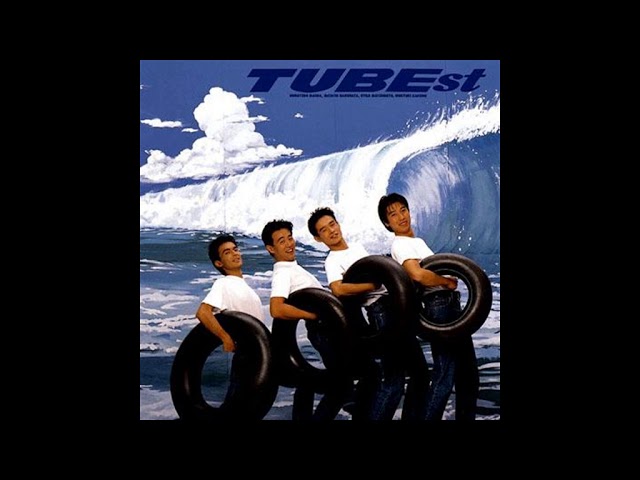
This is a signature song by TUBE, the legendary summer band.
Its exhilarating rhythm and liberating melody capture the essence of summer, and even after many years it has maintained its status as a classic summer anthem.
Under the big onionbakufū suranpu
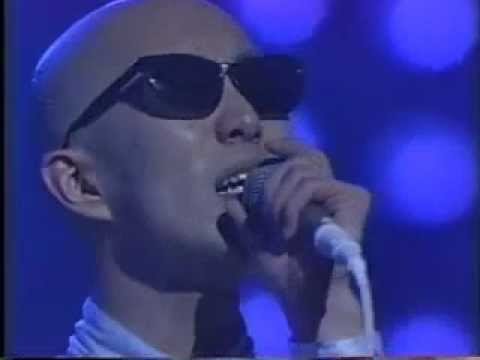
A signature song by Bakufu Slump.
Released in 1989, it was later covered by artists such as Masayoshi Yamazaki and Masayuki Tanaka.
It was used in a commercial for Cosmo Oil and as the main theme for Battle Heater.
The “big onion” isn’t a vegetable, but a decorative feature at a certain concert venue.
The song tells of a tender romance between a man and a woman who exchange letters.
They promise to meet in real life, but the woman never shows up—an achingly bittersweet ending.

WALKCHAGE and ASKA

Their 23rd single, released in 1989.
Although it peaked at No.
20 on the Oricon chart, it was used in a commercial as the tie-in song for SUBARU’s VIVIO, becoming a smash hit that foreshadowed CHAGE and ASKA’s golden era in the 1990s.
It was re-released in 1992, reaching No.
3 on Oricon at that time.
A timeless CHAGE and ASKA classic with enduring popularity among fans.
Teenage in GlassHikaru GENJI

Many of you might already know this, but a lot of Hikaru GENJI’s songs were by CHAGE and ASKA, and “Glass no Jūdai” was written and composed by Ryo Asuka.
It may feel a bit Showa-era, but I think it still absolutely holds up in the Reiwa era.
I can still remember the shock of them coming out on roller skates.
They’re no longer active, but the song remains a timeless classic you can keep listening to forever.

The Girl Who Leapt Through TimeHarada Tomoyo

The theme song of the same name from Nobuhiko Obayashi’s “Onomichi Trilogy” film The Girl Who Leapt Through Time.
It’s sung by Tomoyo Harada, who also starred in the movie, with lyrics and composition by Yumi Matsutoya, known as Yuming.
Played over the ending, the song was etched vividly into viewers’ minds by the film’s direction, and it ranked No.
1 in Record Collectors’ “Top 100 Idol Songs of the ’80s.” And as for whether Tomoyo Harada truly ‘leapt through time,’ I have my doubts—she seems to have maintained an unchanging beauty, hasn’t she?
DEAR FRIENDSPERSONZ

It was used as the theme song for the drama “Mamahaha Boogie,” became a long-running hit, and is one of PERSONZ’s signature songs, released in 1989.
Surprisingly, this song was actually born out of an incident in which vocalist Jill was stabbed by her ex-husband out of jealousy.
Her captivating husky voice leaves a lasting impression.
