

A collection of nostalgic Japanese hit songs from the 1980s that still linger in our ears


Speaking of the 1980s, it was a time when countless timeless hits emerged that remain popular even today!
It was also an era filled with artists who influenced many of today’s musicians, and in many ways can be seen as the dawn of J-POP leading up to the explosive million-selling boom of the 1990s.
In this article, we’ll introduce a generous selection of especially recommended songs from the hit-packed 80s.
Please enjoy these nostalgic chart-toppers that are sure to bring back memories of the time.
- Classic and hit Japanese pop songs from the nostalgic 80s
- Masterpieces and hit songs of 80s Japanese pop (kayōkyoku)
- [Nostalgic Classics] Hit Japanese Love Songs from the 1980s
- A special feature on classic and hit songs by bands that were active in the 1980s
- Cool songs from the Showa era. Masterpieces from Showa that shine with sensuality, passion, and rugged charm.
- 80s commercial songs. A roundup of Japanese songs from the 80s that have been used in commercials.
- Classic and hit J-pop songs from the nostalgic ’90s
- Classic and hit songs by nostalgic Japanese pop idols of the 80s
- Popular Nostalgic Hits and Classics Ranking [1980s Japanese Music Ranking]
- Evokes the charm of the good old days. Showa-era inspirational songs that are still loved today.
- Top Male Singer-Songwriter Hits of the 1980s: Ranking [2026]
- A heartbreak song that was a hit in the 1980s. A classic and popular track in Japanese music.
- So nostalgic it feels new? Showa retro classics that colored Japan’s period of rapid economic growth
Hit J-Pop Songs of the 1980s: A Collection of Nostalgic Classics That Still Linger in Our Ears (21–30)
Startled and GoodTahara Toshihiko

Toshihiko Tahara, who gained attention on “3-nen B-gumi Kinpachi-sensei” and helped lead the 1980s idol boom as part of the “Tanokin Trio.” Following his debut song, this track also reached No.
1 on the Oricon charts, and its charm lies in a brisk, pop sound infused with a jazz flavor.
Released in September 1980 as his second single, it was also well known as the CM song for Glico’s Almond Chocolate, in which he co-starred with Seiko Matsuda.
This song, which earned him the Best New Artist award at the 22nd Japan Record Awards, features a dazzling brass arrangement that is sure to lift your spirits just by listening.
Sing it at karaoke with friends who shared those youthful days, and if you mimic the choreography as you go, the whole place is bound to be filled with a happy vibe!
Boogie Boogie I Love YouTahara Toshihiko
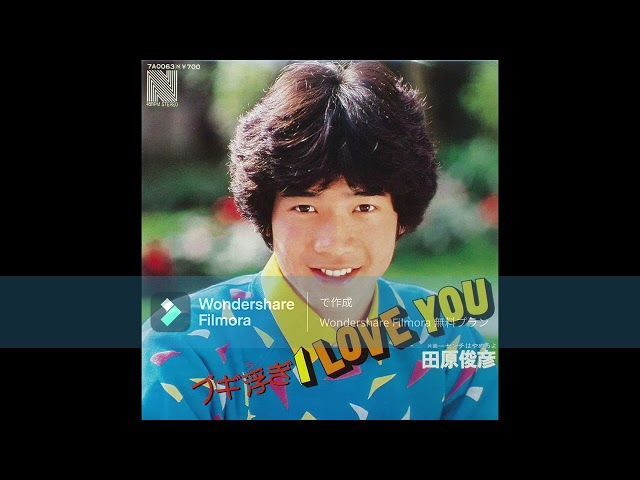
Toshihiko Tahara, who, together with Masahiko Kondo and Yoshio Nomura, led the 1980s idol boom as the “Tanokin Trio.” This work, his fourth single released in 1981, also became widely known at home as the CM song for “Sakura Color,” in which he himself appeared.
The pop, buoyant melody crafted by Satoshi Miyashita and the light, breezy sound riding on a boogie rhythm make you feel like your body starts moving on its own just by listening.
The flashy performance on music shows—where his pure white costume got wet and changed color—has become the stuff of legend, showcasing his talent as an entertainer.
This irresistibly cheerful dance number will lift your spirits when you’re feeling down, and anyone who remembers those days is sure to break into a smile!
CROSS TO YOUotoko

This is their fourth single overall, released in August 1989.
It’s a fast-paced rock number that makes full use of the style where every member of Otokogumi takes lead vocals.
The lyrics depict breaking free from the status quo and looking toward tomorrow with hope, carrying a powerful energy that really pushes listeners forward.
It was also used as a CM song for a watch brand, and its urbane sound coming from TV left a strong impression.
The album “San” includes an alternate version with different lyrics and arrangement, giving fans the fun of comparing the two.
Perfect for a night drive or whenever you’re ready to take on a challenge—it’s guaranteed to get your spirits up!
Blue Jeans MemoryKondō Masahiko

This is the third single by Masahiko Kondo, created by the Showa-era hit-making duo of lyricist Takashi Matsumoto and composer Kyōhei Tsutsumi.
A classic that captures the headlong rush of youth and the bittersweet resolve of a young person setting off for the big city.
Released in June 1981, the song became a major hit as the theme for the film of the same name, in which Kondo himself starred.
The soul-shaking shouted line near the end was actually Kondo’s own idea! It took the top spot on the Oricon Weekly Chart and on “The Best Ten,” sending Japan into a frenzy at the time.
Why not listen to this song when you want to rekindle that fiery feeling from back then, or when you need to psych yourself up for a big moment?
Yokohama teakKondō Masahiko

Set against the nightlife of Yokohama, this work portrays a slightly grown-up lovers’ escapade.
It’s Masahiko Kondo’s second single, released in March 1981.
At the time, it became a hit that found its way into living rooms through music shows, even reaching No.
1 on “The Top Ten.” It has long been cherished as a local Yokohama song, evoking a bittersweet page from youthful days.
The catchy chorus riding on a jive rhythm leaves an unforgettable impact after just one listen.
It’s perfect as background music for a nighttime drive or for anyone who wants to feel the heat of those days and get a boost of energy.
Love = Do!Tahara Toshihiko

This is the third single released in January 1981 by Toshihiko Tahara, who led the idol scene of the ’80s.
Set to a lively disco- and funk-inspired beat, the cheerful sound is highlighted by the catchy “cha-cha” shouts.
The lyrics, which capture the excitement and flutter of a budding romance, are enough to lift your spirits just by listening.
In addition to topping the Oricon weekly chart, a unique TV performance featuring backup dancers dancing with dolls delighted viewers at home.
The irresistibly catchy choreography will have your body moving—perfect for livening up a karaoke session with friends! Be sure to give this timeless classic a listen.
Ruby RingTerao Akira

Although Akira Terao is best known for his image as an actor, he was also active as a singer in the 1980s.
Among his works, the 1981 release “Ruby no Yubiwa” (Ruby Ring) greatly elevated his reputation as a vocalist.
The song was included on his first album, “Reflections,” released the same year, and can also be heard on “Re-Cool Reflections,” the 2006 re-recording of that album.