

Classic and hit Japanese pop songs from the nostalgic 1960s

Japan in the 1960s was a tumultuous era: right in the midst of the so-called “period of rapid economic growth,” hailed as the Miracle of the East, with developments like the Tokyo Olympics and the Osaka World Expo.
In the music scene, beyond the frenzy surrounding The Beatles’ visit to Japan, there were many epoch-making events—such as Kyu Sakamoto’s classic “Ue o Muite Arukō” topping the U.S.
charts under the title “SUKIYAKI.”
In this article, we’ll introduce nostalgic Japanese pop songs that colored Japan in the ’60s.
Enjoy these beloved classics—from kayōkyoku and folk songs to Group Sounds (GS)—that remain popular even with today’s younger generation!
- Nostalgic Japanese hit songs from the 1960s. A collection of popular Showa-era classic melodies.
- Classic and hit kayōkyoku songs from the nostalgic 1960s
- Legendary Japanese rock masterpieces and hit songs of the 1960s
- Popular Showa-era pop. Timeless hit songs.
- Hit songs in Japan in the late 1960s
- Female Singer-Songwriters of the ’60s: Popular Songs Ranking [2026]
- Back to those nostalgic days… Classic and hit Western songs of the 1960s
- Ranking of Popular Oldies and Classic Songs [1960s Japanese Music Rankings]
- Popular Japanese songs among men in their 60s: recommended masterpieces and classic tracks
- [Revisited] A roundup of popular and classic Showa-era songs that are trending now [2026]
- Love songs that resonate with women in their 60s: gem-like romance tunes that revive memories of youth.
- Recommended Summer Songs for People in Their 60s: Classic and Popular J-Pop Hits [2026]
- Great Western rock classics and hit songs of the '60s
Classic and hit Japanese pop songs from the nostalgic 1960s (21–30)
Angel’s TemptationMayuzumi Jun

Angel’s Temptation is the fourth single by Jun Mayuzumi, released in 1968 by Toshiba Musical Industries.
It reached No.
3 on the Oricon charts and won the Japan Record Award.
Jun Mayuzumi’s powerful and captivating vocals garnered widespread popularity.
Samba of PartingHasegawa Kiyoshi
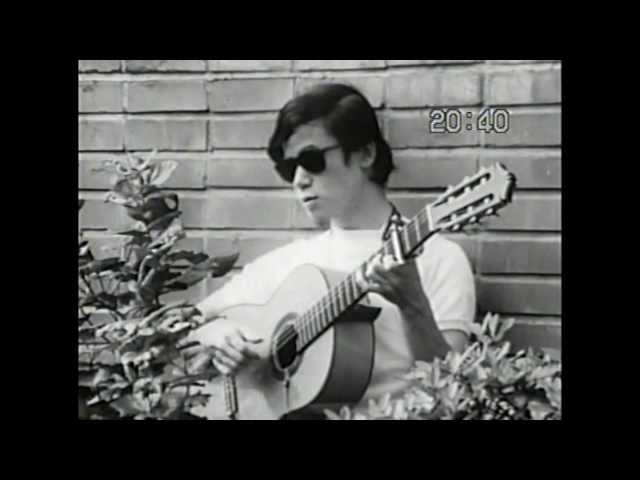
Farewell Samba is the debut single by Kiyoshi Hasegawa, released in 1969.
Its folk-like style resonated with young people and became a hit.
He is acclaimed for his clear singing voice and superb guitar playing.
Having lost his sight in childhood, he also drew attention as a “blind singer.”
The Brown-Noser MarchHana Hajime to Kureēji Kyattsu

Gomasuri March is the 12th single by Hachiji Hana and the Crazy Cats, released in 1965.
Sung by Hitoshi Ueki, it became a hit.
The song was featured in the film The Most Flattering Man in Japan.
Although Hachiji Hana and the Crazy Cats became famous as a comedic band, they possessed exceptional performance technique.
Misty Lake MashuFuse Akira

“Kiri no Mashūko” (Foggy Lake Mashu) is the fifth single by Akira Fuse, released in 1966.
It won the Japan Record Award for Composition.
Fuse’s powerful, resonant voice gained wide popularity.
This song also helped make the then-little-known Lake Mashu famous.
I’m gonna cry (boo-hoo).Moriya Hiroshi

“Boku wa Naichicchi” was Moriyasu Hiroshi’s record debut single, released in 1960.
Although he had been active as a rockabilly singer, from this song onward he began singing more pop-style numbers.
He was the first artist affiliated with HoriPro to achieve a hit song.
Please, God!Za Tenputāzu

A youthful prayer, staking sweet feelings on God, resounds alongside a heartfelt longing for love.
The Tempters’ passionate message is vividly colored by Kenichi Hagiwara’s husky voice and the band’s unified performance.
Released in March 1968, the song reached No.
2 on the Oricon chart and was also used in a Kanebo cosmetics commercial.
Its sound, infused with blues and R&B elements, continues to shine as a symbol of the golden age of Group Sounds.
This classic, which gently embraces the hearts of youth troubled by love, is perfect for moments when you want to be honest with your pure feelings or reaffirm your thoughts for someone special.
Don’t look back.Za Pīnattsu

“Furimukanaide” is a single by The Peanuts, released in 1962.
At a time when covers of foreign songs were mainstream, it became a major hit as an original Japanese pop song.
It was The Peanuts’ first hit with an original song.