

Classic and hit Japanese pop songs from the nostalgic 80s

A special feature on Japanese hit songs that colored the 1980s! These include hits by artists who went on to have a major impact on later eras and by idols who enjoyed charismatic popularity—songs so beloved that many people can still sing along today.
Many timeless classics remain popular, especially revival hits and Showa-era kayōkyoku that have gained traction among younger generations even in the Reiwa era and beyond.
That said, when you think, “I want to listen to Japanese music from the ’80s,” it can be hard to decide where to start.
We’ve put together a selection focused on massively successful hits that we recommend you listen to first in those moments.
Use this as a companion to reminisce about memories from back then or to discover new music!
- A collection of nostalgic Japanese hit songs from the 1980s that still linger in our ears
- Best City Pop Classics: Recommended Popular Songs [Timeless & Modern]
- Masterpieces and hit songs of 80s Japanese pop (kayōkyoku)
- 80s commercial songs. A roundup of Japanese songs from the 80s that have been used in commercials.
- A special feature on classic and hit songs by bands that were active in the 1980s
- Top Male Singer-Songwriter Hits of the 1980s: Ranking [2026]
- Classic and hit songs by nostalgic Japanese pop idols of the 80s
- Top 1980s Female Singer-Songwriters: Popular Songs Ranking [2026]
- A collection of nostalgic hit songs and classics from the 70s
- Popular Showa-era pop. Timeless hit songs.
- [Nostalgic Classics] Hit Japanese Love Songs from the 1980s
- [1980s Western Music] Nostalgic 80's Best Hit Songs
- Evokes the charm of the good old days. Showa-era inspirational songs that are still loved today.
Classic and Hit J-Pop Songs from the Nostalgic ’80s (91–100)
Green poinsettiaKawai Sonoko

A Christmas song by Sonoko Kawai, the original beautiful idol.
In Onyanko Club, she had an older-sister presence, and after graduating from the group she continued to release hit songs one after another.
“Midori no Poinsettia” is a rare track in that it wasn’t written by Yasushi Akimoto, who produced the Onyanko-related projects.
Its heartbreakingly poignant lyrics—overlaying the sorrow of a broken heart onto a green poinsettia—fit Sonoko Kawai perfectly.
For those who spent their youth with Onyanko, this song might hit right on target.
It’s included on her debut album “Sonoko,” so please give it a listen if you have the chance!
Love Can’t Stop ~Turn It Into Love~Wink

Wink was a duo formed by two winners—one from the first half and one from the second half—of a certain magazine’s beauty contest.
In the beginning, they performed many overseas cover songs, and “Ai ga Tomaranai ~Turn It Into Love~” was originally a Kylie Minogue track.
Their movements, reminiscent of wind-up, music box-powered dolls, also became a hot topic.
A flawless rock ’n’ rollerarajin
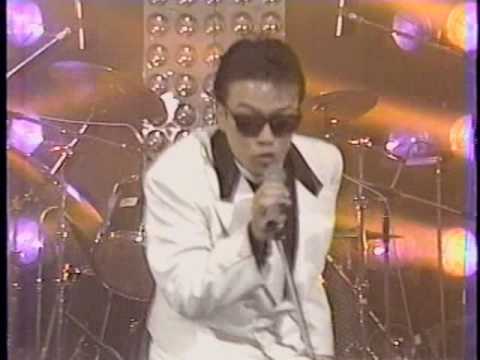
A self-proclaimed rock star youth, obsessing over looks and behavior, portrays his not-so-successful love life with a unique sense of humor.
The world evoking the youth culture of the time—complete with tsuppari delinquents and Harajuku’s Takenoko-zoku—lovingly depicts rebellion against society and bold self-assertion.
Featured on the album “ALADDIN VS Aladdin,” the song reached No.
5 on TBS’s The Best Ten in February 1982.
Later, a parody version of the song was used as the theme for the Fuji TV drama “Ijiwaru Otetsudai-san,” cementing its status as a cross-generational favorite.
metropoliskurisutaru kingu

This Crystal King urban mega-hit is often thought to be a 1970s song because it was released in November 1979, but in fact it became widely acclaimed later, turning into a hit around the start of 1980.
It placed third on the annual rankings, reached number one on the monthly charts, and even topped the weekly charts, making it a quintessential staple of the 1980s.
Falling in LoveKobayashi Akiko

This song became the theme for the TBS drama “Friday Wives” and was a big hit.
The drama itself shows several married couples getting together, looking like they have a good time—being friendly, throwing parties, and seeming to enjoy their relationships—but behind the scenes they’re having affairs, and the story is quite messy.
The song’s lyrics also deal with an affair-like theme, so it was a perfect fit.
The True Face of the StormKudō Shizuka

It seems she had already been active as a singer before joining Onyanko Club.
She had a yankee (delinquent) and goofy persona.
Her yankee appeal was especially popular, and she herself valued those fans.
Many of the songs she sang were excellent, with some even written by Miyuki Nakajima.
Mysterious Peach PieTakeuchi Mariya

“Fushigi na Peach Pie” (Mysterious Peach Pie) is the fourth single by Mariya Takeuchi, released in 1980.
It gained popularity after being used in a Shiseido cosmetics commercial and reached No.
3 on the Oricon charts.
This song brought Mariya Takeuchi wide recognition.