

Classic and hit Japanese pop songs from the nostalgic 80s

A special feature on Japanese hit songs that colored the 1980s! These include hits by artists who went on to have a major impact on later eras and by idols who enjoyed charismatic popularity—songs so beloved that many people can still sing along today.
Many timeless classics remain popular, especially revival hits and Showa-era kayōkyoku that have gained traction among younger generations even in the Reiwa era and beyond.
That said, when you think, “I want to listen to Japanese music from the ’80s,” it can be hard to decide where to start.
We’ve put together a selection focused on massively successful hits that we recommend you listen to first in those moments.
Use this as a companion to reminisce about memories from back then or to discover new music!
- A collection of nostalgic Japanese hit songs from the 1980s that still linger in our ears
- Best City Pop Classics: Recommended Popular Songs [Timeless & Modern]
- Masterpieces and hit songs of 80s Japanese pop (kayōkyoku)
- 80s commercial songs. A roundup of Japanese songs from the 80s that have been used in commercials.
- A special feature on classic and hit songs by bands that were active in the 1980s
- Top Male Singer-Songwriter Hits of the 1980s: Ranking [2026]
- Classic and hit songs by nostalgic Japanese pop idols of the 80s
- Top 1980s Female Singer-Songwriters: Popular Songs Ranking [2026]
- A collection of nostalgic hit songs and classics from the 70s
- Popular Showa-era pop. Timeless hit songs.
- [Nostalgic Classics] Hit Japanese Love Songs from the 1980s
- [1980s Western Music] Nostalgic 80's Best Hit Songs
- Evokes the charm of the good old days. Showa-era inspirational songs that are still loved today.
Masterpieces and hit songs of nostalgic Japanese pop from the 80s (11–20)
Paradise GalaxyHikaru GENJI

This iconic song by Hikaru Genji, which brightened the 1980s, is a gem of a ballad crafted by ASKA.
Its lyrics, stressing the importance of dreams and imagination, resonate deeply with listeners.
Their roller-skate dance performances were unforgettable and the envy of kids at the time.
Released in March 1988, it hit No.
1 on the Oricon charts and stayed on the rankings for 25 weeks, becoming a massive hit.
It’s a must-listen not only for Johnny’s fans but also for anyone interested in ’80s music.
Perfect for livening up a karaoke session—get ready for a heart-pounding, nostalgia-filled good time.
If tomorrow were to…warabe

A gem of a ballad that paints everyday happiness and hope.
Released in 1983, it quickly gained popularity as an insert song on TV Asahi’s “Kin-chan no Dokomade Yaruno!” The clear vocals of Warabe and the gentle, unhurried melody resonate deeply.
With lyrics penned by Toyohisa Araki, the song celebrates the joy of spending sunny and rainy days alike with a loved one, striking a chord with many listeners.
It topped the Oricon year-end singles chart and is frequently sung at karaoke, with numerous cover versions by various artists.
A heartwarming classic you’ll want to listen to with someone special.
DJ in My LifeShibugakitai

Released in April 1985 as a single by Shibugakitai, this song features poignant lyrics about music on the radio awakening memories of a summer romance, paired with period-typical synthesizer tones.
It became widely known as the commercial song for Honda’s scooter “DJ-1,” and was also used as the theme song for the group’s starring film, “Barrow Gang BC.” It peaked at No.
4 on the Oricon charts and became a hit, selling about 178,000 copies.
Though it is a dazzling idol pop number, its heart-wrenching melody likely resonates deeply with the generation that spent their youth in the ’80s.
Boogie Boogie I Love YouTahara Toshihiko
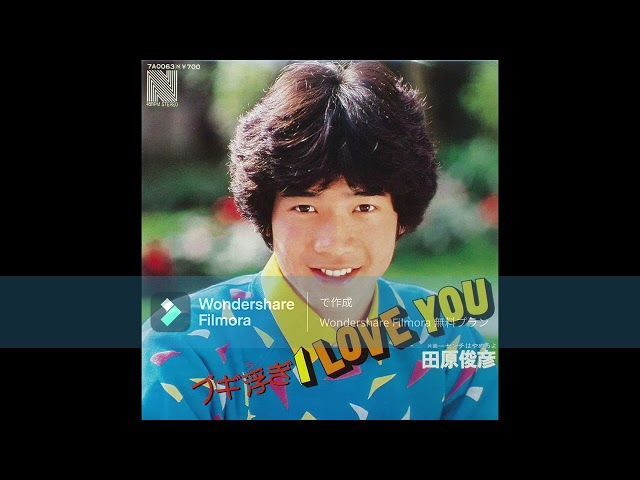
Toshihiko Tahara, who, together with Masahiko Kondo and Yoshio Nomura, led the 1980s idol boom as the “Tanokin Trio.” This work, his fourth single released in 1981, also became widely known at home as the CM song for “Sakura Color,” in which he himself appeared.
The pop, buoyant melody crafted by Satoshi Miyashita and the light, breezy sound riding on a boogie rhythm make you feel like your body starts moving on its own just by listening.
The flashy performance on music shows—where his pure white costume got wet and changed color—has become the stuff of legend, showcasing his talent as an entertainer.
This irresistibly cheerful dance number will lift your spirits when you’re feeling down, and anyone who remembers those days is sure to break into a smile!
Parting Highwayotoko

A rock number that surges with the exhilaration of tearing down a national highway at dawn, while the unique aches of youth press against your chest.
Featured on their landmark debut album “Otokogumi,” released in September 1988, this track has long been cherished by fans as a crucial opening song on a classic record packed with the raw energy and youthful drive of a freshly debuted band.
The lyricist’s highly narrative writing sets the sorrow of parting to a propulsive sense of speed, and the song was later selected for the ballad compilation “BEST OF BALLADS.” It’s perfect not only as driving BGM, but also for anyone who wants to soak in bittersweet memories and draw strength for tomorrow.
Blue Jeans MemoryKondō Masahiko

This is the third single by Masahiko Kondo, created by the Showa-era hit-making duo of lyricist Takashi Matsumoto and composer Kyōhei Tsutsumi.
A classic that captures the headlong rush of youth and the bittersweet resolve of a young person setting off for the big city.
Released in June 1981, the song became a major hit as the theme for the film of the same name, in which Kondo himself starred.
The soul-shaking shouted line near the end was actually Kondo’s own idea! It took the top spot on the Oricon Weekly Chart and on “The Best Ten,” sending Japan into a frenzy at the time.
Why not listen to this song when you want to rekindle that fiery feeling from back then, or when you need to psych yourself up for a big moment?
Classic and hit Japanese pop songs from the nostalgic 1980s (21–30)
Blue Sky Only YouHikaru Ippei

A landmark debut single marking the long-awaited start of singer activities by Ippei Hikaru, who broke out playing a student on “Mr.
Kinpachi in Class 3-B” and was gaining attention as an actor.
Released in May 1981, the single features lyrics by Takashi Matsumoto and music by Kunihiko Kase—a quintessential 80s idol pop track.
Its breathless melody carries the impatience and single-mindedness of young love, while the rhythmic call-and-response in the chorus creates a live-concert feel—packed with elements that capture listeners’ hearts.
It even peaked at No.
19 on the Oricon charts, reflecting the fervor of the time.
Try humming it under a clear blue sky on a sunny day!