

[Start Here] Jazz Masterpieces: A Must-Listen Album Selection


What kind of impression do you have of the musical genre known as jazz?
You might think of it as somewhat stylish, or perhaps a bit intimidating and highbrow.
The history of jazz, which includes many subgenres, can’t be summed up easily—and of course, it’s not just music from a bygone era.
This time, for those who are interested but don’t know where to start, we’ve picked out a selection of classic, standard albums that have gone down in jazz history—perfect as your first listen.
Be sure to check them out!
- The Royal Road of Jazz: Classic modern jazz masterpieces. Popular tracks you should listen to at least once.
- Hall of Jazz: Classic Blue Note Records. Recommended jazz albums.
- [For Beginners] Classic Modern Jazz Albums: Recommended Records to Start With
- [Jazz Intro] Classic Jazz Tracks Recommended for First-Time Listeners
- [Western Music] Classic jazz guitar albums: recommended records you should listen to at least once
- A roundup of classic Western jazz-funk albums—from staples to the latest releases
- [BGM] Delicious Jazz Classics You’d Want to Hear in a Restaurant [2026]
- A roundup of famous jazz standards featured in the hugely popular jazz manga BLUE GIANT
- [2026] Jazz piano masterpieces: from standards to recent favorites
- Introduction! A collection of recommended masterpieces and standard numbers for jazz beginners
- Classic swing jazz tunes. Recommended popular songs.
- Jazz Piano Masterpieces: From Classic Essentials to Contemporary Favorites
- Classic Dixieland jazz tunes. Recommended popular songs.
Start with this one: Jazz masterpieces. A must-listen album selection (71–80)
Feeling GoodNina Simone
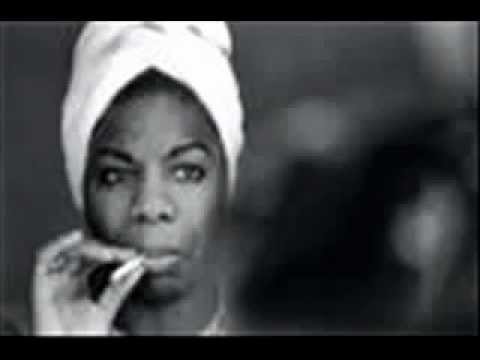
A song written by British songwriters Anthony Newley and Leslie Bricusse for the 1965 Broadway musical The Roar of the Greasepaint – The Smell of the Crowd.
In the Broadway production, it was performed by actor Gilbert Price.
This Nina Simone version has become one of her best-known songs.
The Girl From IpanemaAstrud Gilberto & Stan Getz

In 1961, jazz guitarist Charlie Byrd, who had toured Brazil, introduced tenor saxophonist Stan Getz to Brazilian bossa nova, leading to the release of the smash hit Jazz Samba in 1962.
What is now a familiar meeting of jazz and bossa nova took shape through this very sequence of events.
The album we’re highlighting today, Getz/Gilberto, is renowned—alongside the aforementioned Jazz Samba—as an epoch-making work that fused jazz and bossa nova.
Credited jointly to Getz and bossa nova singer-guitarist João Gilberto, it was released in 1963, became a major hit reaching No.
2 on the Billboard chart, and won a Grammy Award.
Though it drew mixed reactions in some quarters, it undeniably helped bring widespread recognition of bossa nova to the United States.
From the moment the opening track—The Girl from Ipanema, the extraordinarily famous classic sung by Astrud Gilberto, João’s wife at the time whose career breakthrough it became—begins, you feel as if you’re tasting the atmosphere of South America you couldn’t possibly know firsthand.
It’s a highly recommended album for newcomers to both jazz and bossa nova.

In a Sentimental MoodDuke Ellington & John Coltrane

The more you learn about jazz history and its musicians, the more you’re amazed at how often truly legendary pairings have produced lavish collaborations.
The album introduced here, Duke Ellington & John Coltrane, is exactly one of those works.
Duke Ellington, born in 1899, was the jazz pianist who ignited the swing era.
John Coltrane, the saxophonist who, in his short 40-year life, raced through jazz’s transformative phases—from hard bop to modal jazz and on to free jazz.
This 1962 recording by these generational giants is said to have been done all in single takes at Duke’s request.
Led by the Ellington-composed standard In A Sentimental Mood, the track list centers on Duke’s classic repertoire, yet both artists honor each other’s individuality to craft a refined, mature jazz statement.
If you’re interested in either of them, this is a beautiful album you absolutely should hear.
And the cover art is fantastic, too!
[Start with this one] Jazz masterpieces: A must-hear album selection (81–90)
Lullaby of BirdlandElla Fitzgerald

A piece composed in 1952 by George Shearing, an Anglo-American jazz pianist.
Named after the saxophonist Charlie “Bird” Parker and performed by many prominent jazz musicians, it is a tribute to the New York jazz club Birdland.
The Days of Wine and RosesOscar Peterson Trio
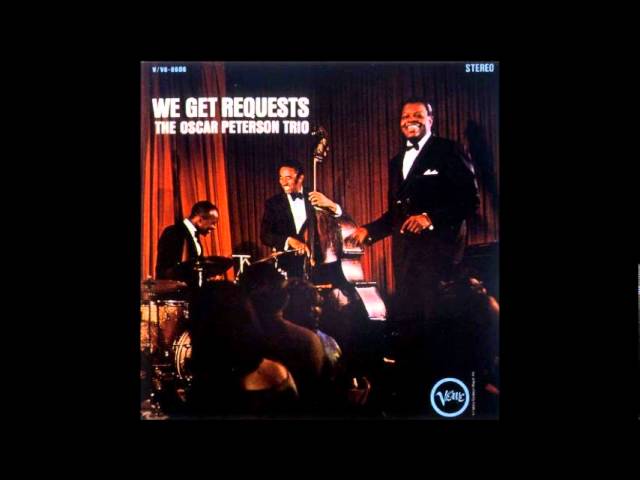
Among the many jazz pianists, Oscar Peterson from Montreal, Canada, possessed top-tier technique, yet instead of emphasizing complexity, he conveyed the joyful, feel-good side of music.
Over his long career he released countless works, won seven Grammy Awards, and received the 11th Praemium Imperiale, among other honors—achievements that place him in a unique position in the history of modern jazz.
While many geniuses and mavericks experimented to expand the possibilities of jazz, Peterson essentially never strayed from his regal, straight-ahead style, continuing to perform with an upbeat sound that fused swing and bop to communicate the pure fun of jazz.
Even just looking at the album cover, you can’t help but smile at how happy the three players seem—We Get Requests is one of Peterson’s signature albums.
Released in 1964, it’s a classic that includes well-known tunes such as Days of Wine and Roses, composed by the famed film composer Henry Mancini.
If you want to savor the comfort and joy of swinging jazz to your heart’s content, this is essential listening.
Relaxin’ at CamarilloCharlie Parker

A piece Charlie Parker wrote about the period he spent at Camarillo State Hospital in Ventura County, California.
He had damaged his mental and physical health through drugs and alcohol and was repeatedly hospitalized in psychiatric institutions.
The track was recorded in 1947 after his discharge, when he returned to Los Angeles.
My Funny ValentineChet Baker
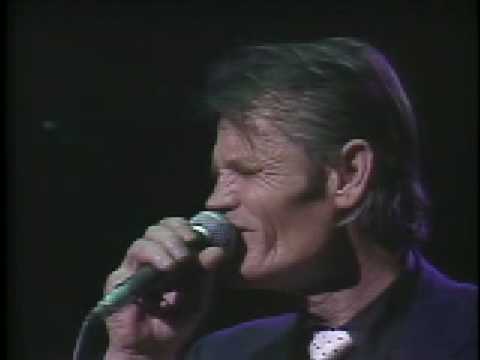
A song written by composer Richard Rodgers and lyricist Lorenz Hart for the 1937 Broadway musical “Babes in Arms.” It has been sung by many artists, including Chet Baker, Frank Sinatra, Billie Holiday, and Tony Bennett.