

[Start Here] Jazz Masterpieces: A Must-Listen Album Selection


What kind of impression do you have of the musical genre known as jazz?
You might think of it as somewhat stylish, or perhaps a bit intimidating and highbrow.
The history of jazz, which includes many subgenres, can’t be summed up easily—and of course, it’s not just music from a bygone era.
This time, for those who are interested but don’t know where to start, we’ve picked out a selection of classic, standard albums that have gone down in jazz history—perfect as your first listen.
Be sure to check them out!
- The Royal Road of Jazz: Classic modern jazz masterpieces. Popular tracks you should listen to at least once.
- Hall of Jazz: Classic Blue Note Records. Recommended jazz albums.
- [For Beginners] Classic Modern Jazz Albums: Recommended Records to Start With
- [Jazz Intro] Classic Jazz Tracks Recommended for First-Time Listeners
- [Western Music] Classic jazz guitar albums: recommended records you should listen to at least once
- A roundup of classic Western jazz-funk albums—from staples to the latest releases
- [BGM] Delicious Jazz Classics You’d Want to Hear in a Restaurant [2026]
- A roundup of famous jazz standards featured in the hugely popular jazz manga BLUE GIANT
- [2026] Jazz piano masterpieces: from standards to recent favorites
- Introduction! A collection of recommended masterpieces and standard numbers for jazz beginners
- Classic swing jazz tunes. Recommended popular songs.
- Jazz Piano Masterpieces: From Classic Essentials to Contemporary Favorites
- Classic Dixieland jazz tunes. Recommended popular songs.
[Start with this one] Jazz masterpieces: a must-listen album selection (21–30)
Seven Come ElevenCharlie Christian
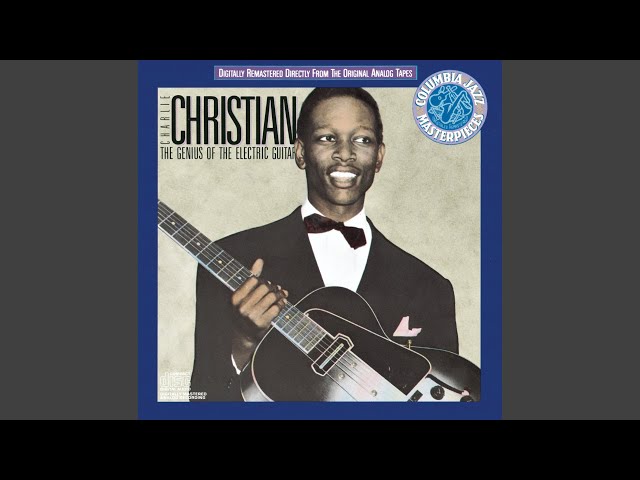
Charlie Christian, the innovator who elevated the electric guitar to a solo instrument.
Though he passed away at just 25, The Genius Of The Electric Guitar compiles his performances from 1939 to 1941 with the Benny Goodman Orchestra—a disc packed with the fervor of the transitional era from swing to bebop.
His horn-like, flowing single-note solos and the then-groundbreaking, fat tone of the electric guitar can be fully savored on classics like Rose Room and Solo Flight.
His playing, which influenced not only later jazz guitarists but even the world of rock, is a must-listen for anyone looking to expand the possibilities of the guitar.
Despite being historical recordings, their groove and forward-looking spirit remain as vibrant as ever!
The SidewinderLee Morgan
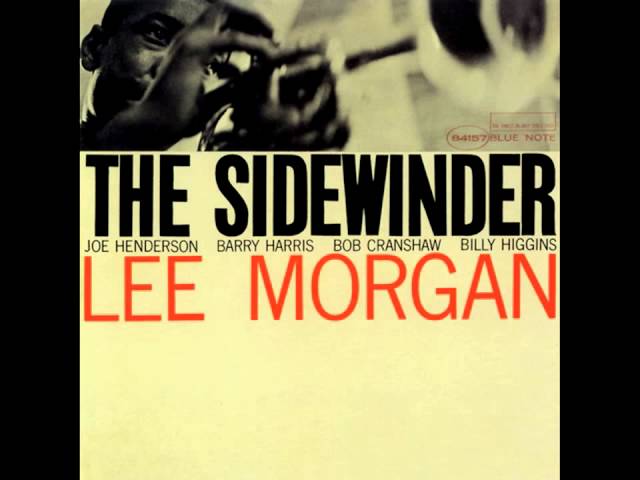
Hailed as a prodigy in Philadelphia and tapped for Dizzy Gillespie’s big band at 18, Lee Morgan rose to become a flagship artist for Blue Note Records as a trumpeter who navigated hard bop and soul jazz with effortless command.
Recorded in December 1963 and released in 1964, The Sidewinder is a towering masterpiece in jazz history.
Its title track, where a 24-bar blues progression intertwines with a Latin beat and a funky bass line, became so popular it was even used without authorization in a Chrysler commercial, reaching No.
25 on the Billboard Pop chart.
The album was such a smash that it’s said to have rescued Blue Note from financial trouble.
The ensemble—Joe Henderson’s tenor sax and Barry Harris’s piano—captures a club’s raw heat and vibrancy, conveying the appeal of jazz in the most direct, exhilarating way.
StepsCecil Taylor

Cecil Taylor’s Unit Structures, still hailed as one of the most important works of 1960s free jazz, is a landmark album released by Blue Note Records in 1966.
Known for his distinctive, percussive approach to the piano, Taylor took on this project with a seven-piece ensemble—trumpet, two alto saxophones, two bassists, and drums.
The result is an ambitious work that largely abandons conventional chord progressions and song forms, instead realizing his unique concept of constructing structure by combining units of sound.
The layered low-end space woven by the two basses and the complex textures created by the horn section evoke the feel of meticulously assembled chamber music, even as the music remains atonal.
Moments that may first sound chaotic are, in fact, guided by a rigorous blueprint.
I recommend setting aside preconceptions and immersing yourself fully in this powerful sonic world.
Cleopatra’s DreamBud Powell

Many early jazz musicians, despite their exceptional talent, struggled with various personal issues, and Bud Powell—the jazz pianist often called a leading figure of the so-called bebop style—was one of them.
Universally recognized as a genius pianist who also composed outstanding masterpieces, Powell was highly regarded for his potential from the start of his career and left recordings worthy of his talent.
However, due to health problems and other issues, he fell into alcohol and the like.
For these reasons, his peak period is generally considered the recordings from the late 1940s to the early 1950s.
Here, though, I’d like to introduce The Scene Changes: The Amazing Bud Powell (Vol.
5), released by the prestigious Blue Note Records in 1958.
In any case, Cleopatra’s Dream—known in Japan by the widely popular title “Kureopatora no Yume”—is simply superb.
It’s a piece you should hear at least once, a masterpiece that stands in jazz history.
By the way, the humming and groans you hear in the track are Powell’s own.
Why not start with this song to discover Powell’s allure, and let it be your gateway to exploring his other classic albums?

RefugeAndrew Hill

Known for his complex, labyrinthine compositions and exceptional improvisational prowess, Andrew Hill is a pianist and composer who epitomizes Blue Note’s golden era.
While influenced by Thelonious Monk and Bud Powell, he forged his own musical language and frequently collaborated with masters such as Eric Dolphy and Joe Henderson.
His 1965 release Point of Departure is celebrated as a landmark that boldly crossed the boundary between post-bop and the avant-garde.
Featuring a stellar lineup—including Kenny Dorham on trumpet and a young Tony Williams on drums—the album was cut live in a single take, yielding a rare sound where the tension of odd meters and polyrhythms coexists with Blue Note’s signature soulfulness.
It is a masterpiece in which structural experimentation and emotional expression fuse at a high level—an essential work that helped open new paths for the future of jazz.
RememberHank Mobley

Born in 1930, tenor saxophonist Hank Mobley—one of the leading figures of hard bop—is known for his distinctive style, famously described by critics as the “middleweight champion of the tenor sax.” His rounded tone, neither too aggressive nor too sweet, and his melodious, songful phrasing are hallmarks of his playing.
Recorded at Van Gelder Studio in February 1960 and released by Blue Note Records that October, Soul Station is widely regarded as Mobley’s masterpiece.
Featuring a one-horn quartet with the golden rhythm section of Wynton Kelly, Paul Chambers, and Art Blakey—who were active in Miles Davis’s band—the album contains six tracks that perfectly balance warm, soulful originals with standards.
A flowing, richly expressive work, it’s an ideal introduction to hard bop and a true classic.
A Night In TunisiaArt Blakey

The group led by Art Blakey, The Jazz Messengers, was active from the early 1950s until 1990 and is known as a gateway for young jazz musicians.
Released in 1954, A Night at Birdland is a live recording from a famous New York jazz club.
It is still highly acclaimed as a landmark of hard bop.
The improvisations by a stellar lineup—such as Clifford Brown on trumpet and Horace Silver on piano—are a highlight.
The energetic, groove-filled performances let you fully savor the essence of jazz.
It’s a perfect album for anyone interested in jazz but unsure where to start.