

[Start Here] Jazz Masterpieces: A Must-Listen Album Selection


What kind of impression do you have of the musical genre known as jazz?
You might think of it as somewhat stylish, or perhaps a bit intimidating and highbrow.
The history of jazz, which includes many subgenres, can’t be summed up easily—and of course, it’s not just music from a bygone era.
This time, for those who are interested but don’t know where to start, we’ve picked out a selection of classic, standard albums that have gone down in jazz history—perfect as your first listen.
Be sure to check them out!
- The Royal Road of Jazz: Classic modern jazz masterpieces. Popular tracks you should listen to at least once.
- Hall of Jazz: Classic Blue Note Records. Recommended jazz albums.
- [For Beginners] Classic Modern Jazz Albums: Recommended Records to Start With
- [Jazz Intro] Classic Jazz Tracks Recommended for First-Time Listeners
- [Western Music] Classic jazz guitar albums: recommended records you should listen to at least once
- A roundup of classic Western jazz-funk albums—from staples to the latest releases
- [BGM] Delicious Jazz Classics You’d Want to Hear in a Restaurant [2026]
- A roundup of famous jazz standards featured in the hugely popular jazz manga BLUE GIANT
- [2026] Jazz piano masterpieces: from standards to recent favorites
- Introduction! A collection of recommended masterpieces and standard numbers for jazz beginners
- Classic swing jazz tunes. Recommended popular songs.
- Jazz Piano Masterpieces: From Classic Essentials to Contemporary Favorites
- Classic Dixieland jazz tunes. Recommended popular songs.
[Start with this one] Jazz masterpieces: a must-hear album selection (11–20)
Speak No EvilWayne Shorter

The title, quoted from the Japanese proverb made famous by the Three Wise Monkeys—“see no evil, speak no evil, hear no evil”—is just so cool, isn’t it? Speak No Evil is the third album released under his own name by tenor and soprano saxophonist Wayne Shorter, who hails from New Jersey, United States, and it came out in 1964.
Shorter is a towering figure who left a remarkable mark on jazz history: he played with Art Blakey’s Jazz Messengers and Miles Davis’s Quintet, and later co-founded Weather Report, one of the pioneering fusion groups.
He even toured Japan during his Jazz Messengers days, and he’s remained very popular here.
This album is a gem of modal jazz that fully showcases Shorter’s slightly shadowy, mysterious allure, and it’s widely regarded as one of his early masterpieces.
Drawing on themes such as black magic, which Shorter was interested in at the time, it offers an adventurous, New Thing–leaning approach while keeping the melodies beautiful and accessible.
It’s the kind of music you want to listen to alone in your bedroom at midnight.
By the way, the woman on the cover is Shorter’s then-wife, Japanese American Teruka Eileen Nakagami!

I’m a Fool to Want YouBillie Holiday
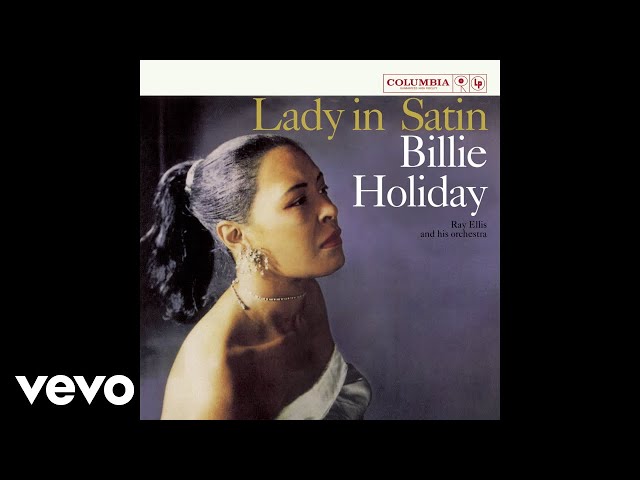
In the history of jazz vocals, Billie Holiday—remembered as a legendary figure—returned to Columbia Records in the twilight of her career to make Lady in Satin in 1958, a work that shines with special brilliance as the last album released in her lifetime.
Backed by a 40-piece orchestra and sumptuous strings, the album departs from her once-clear tone, offering a deeply affecting expression etched with the hardships of life.
Wrapped in Ray Ellis’s luxurious arrangements, the standards she sings here are all masterful performances that fully showcase Holiday’s emotional depth.
Though opinions were divided at the time, the album is now reappraised as a masterpiece that most vividly captures her soul, and it’s a must-listen for anyone seeking the essence of jazz vocals.
Track A- Solo DancerCharles Mingus

Charles Mingus, highly regarded not only as a bassist but also as a visionary composer ahead of his time, was a great artist who continually projected Black pride and a complex identity into his music.
Released in 1963, The Black Saint and the Sinner Lady is considered his masterpiece.
Conceived as music for ballet, the work unfolds as a grand suite that explores the duality of saint and sinner, fusing elements of gospel, blues, and classical music.
The meticulous ensemble work and improvisation by the eleven-piece band are breathtaking, making it an artistic achievement that transcends the boundaries of jazz.
The fact that Mingus’s own psychoanalyst contributed to the liner notes further underscores the work’s deep introspection.
For anyone wishing to experience the profound depths of jazz, this is an essential album.
Ghosts: First VariationAlbert Ayler

Even the Japanese title ‘Spiritual Unity’ alone hints at a religious exaltation and profound spirituality—this is a landmark of free jazz.
Recorded in 1964 and released the following year by tenor saxophonist Albert Ayler, who pushed the most radical forms of expression in the 1960s, Spiritual Unity is a shock to the jazz system despite its minimal trio of Gary Peacock on bass and Sunny Murray on drums.
Beginning with simple themes rooted in gospel and marching tunes, the music swiftly dismantles tonality and rhythm, plunging into a torrent of sound where screams and prayers intersect—nothing short of breathtaking.
Released on the independent label ESP-Disk, the album initially sparked polarized reactions, but over time it has secured an unshakable reputation as a “scripture of free jazz.” For listeners unaccustomed to jazz, some moments may feel challenging, but I hope you’ll set aside theory and simply revel in the joy of surrendering to this sonic experience.
Lullaby of BirdlandSarah Vaughan

Known by the nickname “The Divine One,” Sarah Vaughan is recognized as a master of jazz vocals—alongside Billie Holiday and Ella Fitzgerald—for her rich projection and astonishing three-octave range.
She launched her professional career after winning at the Apollo Theater in 1942, and while performing with bebop giants like Dizzy Gillespie and Charlie Parker, she forged her own distinctive style.
Recorded between 1954 and 1955, the album Sarah Vaughan is famed as her only collaboration with the brilliant, short-lived trumpeter Clifford Brown and later earned induction into the Grammy Hall of Fame.
Centered on standards such as “Lullaby of Birdland” and “April in Paris,” the selection showcases a sublime interplay between Vaughan’s beautiful vibrato and Brown’s lyrical trumpet, offering a full immersion in the sophistication of modern jazz.
It’s a masterpiece we urge anyone seeking the allure of jazz vocals to hear first.
Just FriendsCharlie Parker
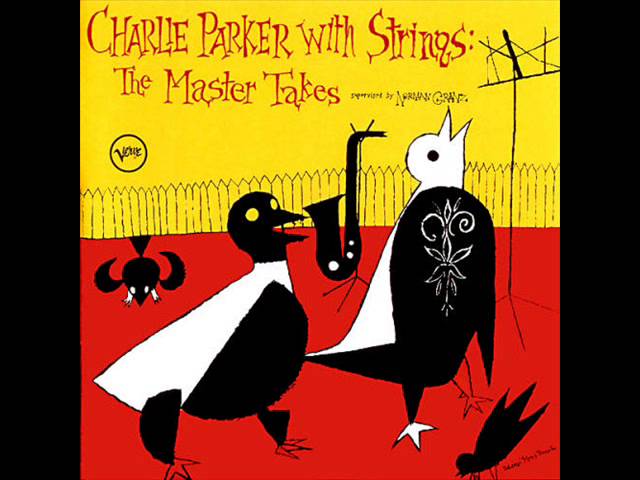
Charlie Parker, also known by his nickname “Bird,” was a pioneering figure who helped forge bebop—the prototype of modern jazz—in the early 1940s, and he is revered by jazz fans worldwide as the “Father of Modern Jazz.” Sadly, Parker’s private life was far from exemplary, and his troubled day-to-day existence led to his death at the young age of 34.
Even so, his musical achievements are immeasurable in the history of jazz.
Clint Eastwood, famed for his maverick love of jazz and for directing several documentaries on jazz musicians, also produced and directed the 1988 film “Bird,” which focused on Parker.
Here, I’d like to introduce “Charlie Parker With Strings,” a two-disc collection compiling recordings Parker made between 1947 and 1952.
As the title suggests, it’s a collaboration with orchestra: within the sweet, retro-tinged string sound, Parker’s alto sax stands out with stunning presence and beauty.
If you want to savor the alto saxophone’s tone in a romantic mood, this is a must-listen.
[Start with this one] Jazz masterpieces: a must-listen album selection (21–30)
ImaginationArt Pepper

A quintessential West Coast jazz classic: Art Pepper’s masterpiece “Meets The Rhythm Section.” This 1957 recording realized the dream collaboration with Miles Davis’s rhythm section.
Amazingly, Pepper was reportedly told about the session only on the day itself.
Even so, his cool yet emotional saxophone tone resonates beautifully.
The refined performance—melding elements of cool jazz and bebop—is sure to captivate not only jazz fans but newcomers as well.
A truly essential album that marked a turning point in Pepper’s life.
Highly recommended for anyone curious about jazz but unsure where to start!