

[2026] Jazz piano masterpieces: from standards to recent favorites


Jazz piano, where the piano takes center stage, has enjoyed enduring popularity in Japan for many years.
We often hear standard numbers performed in legendary recordings by classic jazz pianists, as well as their own original masterpieces, and many of us grow familiar with them naturally—even without consciously thinking of them as jazz.
This article shines a spotlight on jazz piano, presenting a curated selection that includes not only standards but also outstanding original compositions.
While topics like this tend to highlight the strength of classic tunes, this piece also features popular tracks by pianists and piano trios who debuted in the 2000s and beyond, making it enjoyable for both beginners and dedicated jazz fans.
- It’s so cool if you can play these on the piano! A selection of irresistibly charming masterpieces.
- Jazz Piano Masterpieces: From Classic Essentials to Contemporary Favorites
- Cool jazz piano: from classic favorites to hidden gems.
- Introduction! A collection of recommended masterpieces and standard numbers for jazz beginners
- [For Adults] Recommended for Piano Recitals! A Curated Selection of Impressively Sounding Masterpieces
- [2026] Introducing recommended jazz medley videos!
- The Royal Road of Jazz: Classic modern jazz masterpieces. Popular tracks you should listen to at least once.
- Classic swing jazz tunes. Recommended popular songs.
- Difficult Piano Pieces: From Classical to Jazz Piano
- [Christmas] Songs That Sound Cool on Piano! A Pick of Classics and All-Time Favorites
- [Autumn Jazz] Classic and Popular Jazz Songs to Enjoy in the Fall
- Today's Jazz: Tunes for today! A selection of timeless classics and contemporary jazz
- [Start Here] Jazz Masterpieces: A Must-Listen Album Selection
[2026] Jazz piano masterpieces: From standards to recent favorites (21–30)
Softly As In A Morning SunriseWynton Kelly

This piece, also widely known by its Japanese title “Asahi no Yō ni Sawayaka ni,” is one of the standard tunes often played at jazz sessions.
Over its relatively simple chord progression, how a solo is developed truly showcases the soloist’s skill, and the piece reveals a variety of expressions depending on the pianist performing it.
In A Sentimental MoodDuke Ellington & John Coltrane

Recorded in 1962.
The whispered, ephemeral piano of the master Ellington is beautiful, isn’t it? The piano lines that gently accompany the young saxophonist are unimaginably beautiful, and the session between these two feels miraculous.
Truly a supreme track.
Is there any other piece so overflowing with euphoria?
[2026] Jazz Piano Masterpieces: From Standards to Recent Hits (31–40)
FantasistaMarc Van Roon

An original composition by Mark van Roon, pianist of the European Jazz Trio.
Performed in Amsterdam, the Netherlands.
An afternoon tea-time setting in a pleasant room.
The audience’s relaxed atmosphere makes you feel as if you’re right there.
Song for My FatherHorace Silver

Released in 1965 by hit-maker Horace Silver, who was active with the Jazz Messengers, this Song for My Father is said to have been born from his experiences traveling in Brazil.
Because Silver’s father was of Portuguese descent, the piece received its title.
A key figure in the development of hard bop, Silver—perhaps drawing on his father’s roots—also showed a deep interest in African and Latin music, skillfully incorporating those influences into his compositions and arrangements.
It’s a track distinguished by his crisp, incisive piano playing.

Fly Me to the MoonOscar Peterson

Because “Fly Me to the Moon” was used as the ending theme for the TV anime Neon Genesis Evangelion, it may be strongly associated in Japan with vocal jazz or bossa nova.
However, its melodic charm remains fully intact in 4-beat piano jazz as well.
For some listeners, it might even sound refreshingly new.
MistyErroll Garner
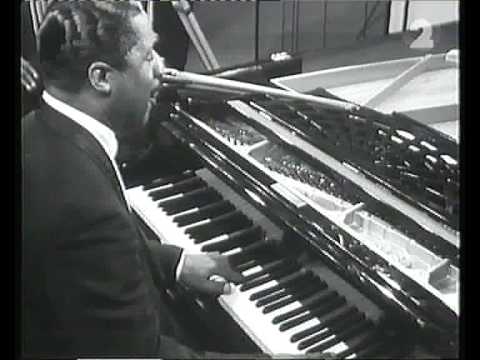
Here is a beautiful ballad composed in 1954 by jazz pianist Erroll Garner.
He came up with the idea for the piece while flying, gazing out the airplane window shrouded in fog.
Since he couldn’t write music, it’s said that he rushed to the hotel piano to play it so it could be recorded before he forgot it.
Because of that origin, the piece originally had no lyrics, but words were later added, and it has since become a favorite among vocalists as well.
It’s one of the most famous jazz ballads—easily among the top five.
My Funny ValentineBill Evans

A masterpiece whose melancholy-soaked melody pierces the heart, “My Funny Valentine.” While many renowned performances feature vocals or trumpet weaving the tune in a conversational way, for a piano rendition I’d highlight Bill Evans’s version.
His nuanced push and pull, achieved through masterful control of touch and dynamics, is truly exceptional.