

[Western Jazz] A Special Feature on Standard Numbers You’ve Heard at Least Once

When you hear the term “jazz standards,” what songs come to mind?
In fact, many of the tunes you’ve probably heard at least once in TV commercials or as background music in department stores are jazz standards.
This time, with “standards” as our theme—beloved for years as jazz music—we’ll introduce a wide range of classics, from songs originally written for films that went on to be covered repeatedly by jazz artists, to numbers composed by jazz musicians themselves.
We’ll present a broad lineup spanning everything from famous prewar pieces and postwar modern jazz to notable ’70s fusion tracks and even popular music from the ’80s.
- The Royal Road of Jazz: Classic modern jazz masterpieces. Popular tracks you should listen to at least once.
- [Jazz Intro] Classic Jazz Tracks Recommended for First-Time Listeners
- Famous Western jazz classics. Recommended popular songs.
- Jazz commercial songs. Popular commercial songs.
- Ranking of Popular Jazz Songs
- Start here first! Classic jazz-rock masterpieces. Recommended popular tracks.
- Jazz to Enjoy in Winter: Masterpieces and Legendary Performances Beyond Just Christmas Songs [2026]
- [2026] Masterpieces of jazz vocals: recommended albums you should listen to at least once
- Classic swing jazz tunes. Recommended popular songs.
- A classic jazz ballad from Western music. A world-famous masterpiece and popular song.
- [For Beginners] Classic Modern Jazz Albums: Recommended Records to Start With
- Introduction! A collection of recommended masterpieces and standard numbers for jazz beginners
- [2026] Introducing recommended jazz medley videos!
[Western Jazz] A Special Feature on Standard Numbers You’ve Heard at Least Once (1–10)
SpainChick Corea
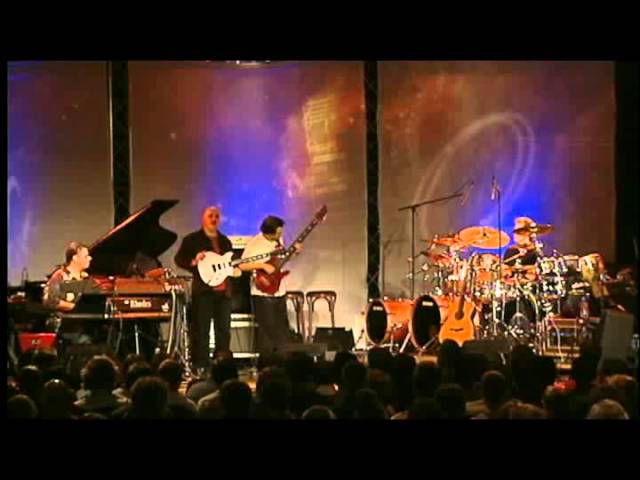
As a standard number born within the jazz fusion genre, on par with Weather Report’s “Birdland” in fame and popularity, wouldn’t it be Chick Corea’s masterpiece “Spain”? First performed by the renowned fusion group Return to Forever—formed in 1972 around keyboardist Chick Corea and bassist Stanley Clarke—the track appears on their second album, “Light as a Feather,” released in 1973.
Known as one of Corea’s signature tunes, it’s a gem whose rhythmic yet wistful main flute phrase, rhythms informed by Latin music and Afrobeat, and superb improvisations by each instrument blend into a stunning whole.
Naturally, it’s been covered countless times, leaving many outstanding performances, and there’s even a cover version featuring Japan’s celebrated jazz pianist Hiromi Uehara performing with Chick Corea himself.
If you’re interested, be sure to check out the album “Duet,” which the two released together in 2008.

Stolen MomentsOliver Nelson

It is a masterpiece that could be called a pinnacle of jazz, woven from luscious melodies and sophisticated harmonies.
Released in 1961 on Oliver Nelson’s album “The Blues and the Abstract Truth,” this piece quickly became a jazz standard.
It is distinguished by its unique 16-bar form and a structure that skillfully incorporates elements of minor blues.
The beautiful phrases played by Freddie Hubbard on trumpet and Nelson on saxophone captivate listeners and won’t let go.
A must-listen for everyone who loves jazz.
Take The A TrainDuke Ellington
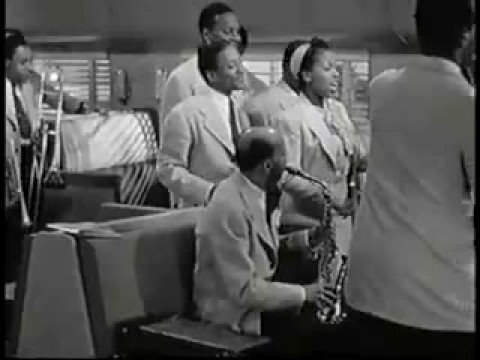
The piece known in Japan by the extremely famous title “A Ressha de Ikō” is, in fact, “Take the ‘A’ Train,” one of the quintessential jazz standards and the theme song of the Duke Ellington Orchestra, which sparked the prewar swing boom with its overwhelming performances and produced many standards.
While Duke himself left behind numerous masterpieces as a composer, “Take the ‘A’ Train” was actually written at his request by Billy Strayhorn, the orchestra’s pianist.
It was premiered by the band in 1941, released on record, and became a major hit.
The “A Train” refers to New York City’s A subway line—that is, the subway—and perhaps the swinging rhythm and rolling piano tone led some listeners to picture a powerful train running under a blue sky.
In Japan, many singers and ensembles have covered the song; among the famous versions, Hibari Misora sang a rendition with Japanese lyrics that was also released as a single, and Japan’s renowned big band Nobuo Hara and His Sharps & Flats likewise featured the number.
[Western Jazz] A Special Feature on Standard Numbers You’ve Heard at Least Once (11–20)
Autumn LeavesCannonball Adderley

As the title “Autumn Leaves” suggests, the melody carries a certain wistfulness that many people will feel they’ve heard somewhere before.
While “Autumn Leaves” is cherished as a famous jazz standard, the original version was a chanson titled “Les Feuilles mortes.” It traces back to accompaniment music for a ballet composed in 1945 by Joseph Kosma, a Hungarian-born composer who had moved to France.
The following year, screenwriter Jacques Prévert added lyrics, and the song appeared in Marcel Carné’s film “Gates of the Night,” sung by Yves Montand—marking the beginning of “Les Feuilles mortes.” Later, Juliette Gréco’s performance brought the song wider recognition, and when English lyrics were added and the piece was introduced to the United States, it received the title “Autumn Leaves.” After a winding journey, the song came to be loved in America as well.
From the late 1950s onward, prominent jazz musicians began covering it in earnest; the versions on Cannonball Adderley’s “Somethin’ Else” and Bill Evans’s “Portrait in Jazz” are especially well known.
It’s also great fun to compare the chanson “Les Feuilles mortes” with its jazz arrangements and enjoy the differences.
MistySarah Vaughan
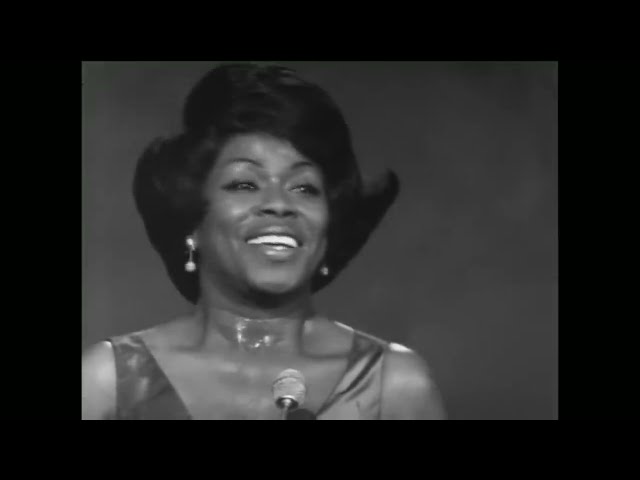
The queen of jazz delivers a masterpiece that likens the sweet feelings of falling in love to mist.
Her rich power and expressive nuance brilliantly capture a wavering heart—truly striking.
Released in 1958, the song became a popular standard covered by many artists.
In 1971, it was even used as a film title, boosting its recognition further.
Its relaxed tempo and romantic melody make it perfect for anyone feeling the tenderness and uncertainty of love.
Surrender yourself to Sarah Vaughan’s voice and relive both the joy and the anxiety of romance.
A Night in TunisiaDizzy Gillespie

Also known in Japan by the title “Tunisian Night,” A Night in Tunisia is a tune co-written by the famed jazz trumpeter Dizzy Gillespie and pianist Frank Paparelli.
It’s said to have been composed in 1942, though some sources place it in 1943 or 1944.
Gillespie was a key figure in bebop—the prototype of modern jazz—and many jazz artists quickly adopted the piece into their live repertoires as a standout of the new generation of jazz.
By the 1950s, it had already secured its status as a standard.
The song’s structure—combining an Afro-beat section characteristic of Gillespie, who also helped bring Latin jazz to wider recognition, with a classic four-beat jazz section—is irresistibly cool and stylish.
Lyrics were later added, and the piece has continued to be loved as a vocal song as well.
Notably, Chaka Khan wrote her own lyrics and remade it as a funk version under the title And The Melody Still Lingers On (A Night in Tunisia), even recording it with composer Gillespie himself.
It’s included on her 1981 album What Cha’ Gonna Do for Me, so be sure to check that out too!
All The Things You AreCharlie Parker
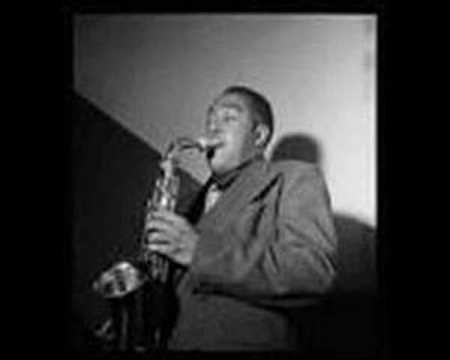
Born in 1939, All the Things You Are is a world-famous standard whose beautiful melody and poetic lyrics touch the heart.
Originally composed by Jerome Kern—who produced many enduring standards—for a musical, the show itself unfortunately failed to achieve commercial success.
It’s fascinating that from a musical considered a flop emerged a standard that has been loved across generations.
Beyond the sheer quality of the tune, its frequently shifting key centers and intriguing chord progression have made it a favorite among jazz musicians in many settings—piano trios, saxophonists, trumpeters, and more—resulting in numerous classic recordings.
There are too many great examples to list, but this time I’m highlighting a trumpet performance by Charlie Parker, a founder of modern jazz.
For a vocal version, I recommend the legendary jazz singer Ella Fitzgerald’s rendition!