

[Western Jazz] A Special Feature on Standard Numbers You’ve Heard at Least Once

When you hear the term “jazz standards,” what songs come to mind?
In fact, many of the tunes you’ve probably heard at least once in TV commercials or as background music in department stores are jazz standards.
This time, with “standards” as our theme—beloved for years as jazz music—we’ll introduce a wide range of classics, from songs originally written for films that went on to be covered repeatedly by jazz artists, to numbers composed by jazz musicians themselves.
We’ll present a broad lineup spanning everything from famous prewar pieces and postwar modern jazz to notable ’70s fusion tracks and even popular music from the ’80s.
- The Royal Road of Jazz: Classic modern jazz masterpieces. Popular tracks you should listen to at least once.
- [Jazz Intro] Classic Jazz Tracks Recommended for First-Time Listeners
- Famous Western jazz classics. Recommended popular songs.
- Jazz commercial songs. Popular commercial songs.
- Ranking of Popular Jazz Songs
- Start here first! Classic jazz-rock masterpieces. Recommended popular tracks.
- Jazz to Enjoy in Winter: Masterpieces and Legendary Performances Beyond Just Christmas Songs [2026]
- [2026] Masterpieces of jazz vocals: recommended albums you should listen to at least once
- Classic swing jazz tunes. Recommended popular songs.
- A classic jazz ballad from Western music. A world-famous masterpiece and popular song.
- [For Beginners] Classic Modern Jazz Albums: Recommended Records to Start With
- Introduction! A collection of recommended masterpieces and standard numbers for jazz beginners
- [2026] Introducing recommended jazz medley videos!
[Western Jazz] A Special Feature on Standard Numbers You’ve Probably Heard at Least Once (21–30)
My Funny VallentineFrank Sinatra

When you hear the famous jazz standard “My Funny Valentine,” do you first think of a vocal version or an instrumental one? In this article, I introduce Frank Sinatra’s vocal rendition, but the tune has been covered in many forms by numerous musicians—for example, Miles Davis featured it as the opening track on his 1957 album Cookin’, and Jim Hall and Bill Evans covered it at a much faster tempo than the original on their classic album Undercurrent.
The song was originally composed by Richard Rodgers—who left an indelible mark on American music with his vast body of work, particularly in musical theater—for the musical Babes in Arms, with lyrics by Lorenz Hart, Rodgers’s well-known collaborator.
By the way, among jazz singer covers, Chet Baker’s vocal version is also extremely famous.
It appears on the West Coast jazz classic Chet Baker Sings, released in 1956.

The Girl from IpanemaStan Getz & Joao Gilberto

Stan Getz, who created the monumental 1962 release Jazz Samba with Charlie Byrd, bringing bossa nova elements into jazz and igniting the bossa nova boom in the United States.
In 1964, he teamed up with the renowned Brazilian bossa nova singer João Gilberto to release Getz/Gilberto, which became a massive hit and earned high acclaim, including a Grammy Award.
The Girl from Ipanema, included on Getz/Gilberto and sung by João Gilberto and Astrud Gilberto, also became a hit single.
It is the most famous standard in the bossa nova genre and a beloved tune among jazz musicians.
Composed in 1962 by Antônio Carlos Jobim, a leading figure in Brazilian music, with original Portuguese lyrics by Vinícius de Moraes—poet, translator, diplomat, and journalist—the Getz and Gilberto version of The Girl from Ipanema is considered the most famous rendition worldwide.
Many jazz artists have continued to embrace the song since, so it’s well worth checking out their various interpretations.
[Western Jazz] A Special Feature on Standard Numbers You’ve Heard at Least Once (31–40)
Summer TimeBillie Holiday
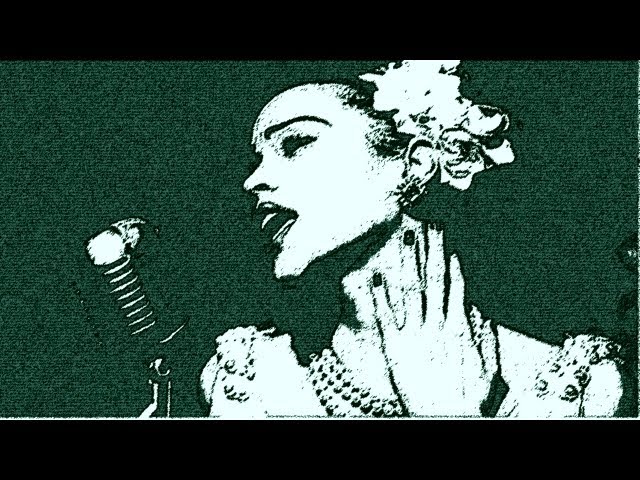
George Gershwin, who worked across a wide range of genres—from opera and musicals to film scores, orchestral works, and concertos—was active in both popular and classical music and is even called a composer who helped create American music.
Among the many masterpieces he produced, let’s look at the timeless standard “Summertime,” a song that continues to be covered across all musical genres, not only jazz but also soul and pop.
Composed as an aria for the groundbreaking 1935 opera Porgy and Bess—remarkable at the time for its all-Black cast—the piece is sung by the heroine as a lullaby within the story.
Although it has inspired an enormous number of cover versions, the first to achieve widespread popular success is said to be the rendition sung in 1936 by the legendary female jazz singer Billie Holiday.
Among covers by white artists, the version performed by the equally legendary rock singer Janis Joplin is especially famous.
Despite being a song in which the lyrics play a crucial role, countless jazz musicians have also performed it as an instrumental, which shows how its universal, superb melody continues to captivate the hearts of musicians and listeners alike.
In conclusion
Listening to the classic songs featured in this article, gathered under the theme of jazz standards, you’ll probably realize that each one goes beyond the bounds of jazz to be “background music everyone has heard at least once.” We’ll continue to introduce standards that remain beloved by many, so please look forward to it!