

[2026] Songs I Want to Try at Karaoke! A Roundup of Popular Showa-Era Kayōkyoku

Even in the 2020s, the songs that still enjoy unwavering popularity at karaoke are the kayōkyoku hits that colored the Showa era.
The term “Showa kayō” is well known even among younger generations, partly thanks to the global popularity of city pop and more.
Above all, there are simply so many timeless classics—these are beloved tracks that keep getting sung at karaoke across all ages.
For those of you who are eager to try singing Showa-era kayōkyoku, this article rounds up recommended popular karaoke picks, focusing mainly on hits from the 1970s and 1980s.
Every song is a famous tune you’ve likely heard at least once, so teens and people in their 20s—feel free to use this as inspiration for your karaoke repertoire!
- A collection of nostalgic hits from the ’70s to 2000s that are perfect for livening up karaoke
- [Songs from the Showa Era] Introducing classic tracks that are easy to sing at karaoke.
- [For People in Their 40s] Karaoke Songs That Are Easy to Sing: 2026 Ranking
- When you can’t decide what to sing at karaoke: Easy-to-sing classic hits from the Showa era
- From Showa-era kayōkyoku to pop: songs that sound cool when you can really sing them
- Popular 80s hits for karaoke. Sing kayōkyoku and pop songs!
- [Karaoke] A roundup of songs that are easy for women to sing!
- Timeless classics only! Showa-era hit songs perfect for acoustic sing-alongs
- [Showa Era] A roundup of nostalgic folk song classics and popular tracks you’ll want to sing at karaoke
- Classic enka songs you’ll want to sing at karaoke: recommended popular tracks
- Even karaoke beginners can relax! Easy-to-sing songs for men
- [2026] Easy Enka Songs for Karaoke: Recommended Picks — Women Singers Edition
- Songs Men Want Women to Sing at Karaoke: Irresistible Tracks [2026]
[2026] Songs I Want to Try Singing at Karaoke! Popular Showa-Era Kayōkyoku Hits (1–10)
Boat SongYashiro Aki

It is one of Aki Yashiro’s signature songs, released in 1979.
It was her first song from a male perspective, with lyrics written by Yū Aku.
The song won the Gold Prize at the 21st Japan Record Awards and has been performed three times on NHK’s Kōhaku Uta Gassen, making it one of Yashiro’s hallmark numbers.
Kanda Riverkaguya hime

Released in September 1973, this work is a classic that delicately portrays the lives and emotions of young people in the Showa era.
Known as one of Kaguyahime’s signature songs, it sold an impressive 1.6 million copies.
Centered on themes of humble yet happy days and a bittersweet farewell, it depicts the pure love and inner struggles of students at the time.
The everyday life of a couple living in a tiny four-and-a-half tatami room, and the young man’s feelings as he grapples with his girlfriend’s “kindness,” resonate deeply with listeners.
It’s a great choice for karaoke if you want to savor the Showa vibe or enjoy pure love songs.
Sing it while reminiscing with friends, and you’re sure to have a moving, memorable time.
MasqueradeShonentai

This was Shonentai’s debut single, which immediately hit No.
1 on the Oricon chart.
It became Shonentai’s biggest hit among their debut singles.
The song won numerous newcomer awards and remains a go-to at parties and events—easy to sing and easy to dance to.
[2026] Songs I Want to Try Singing at Karaoke! Popular Showa-Era Kayōkyoku Tracks (11–20)
Journey of the HeartTULIP

Released in 1973, this song is TULIP’s signature work and the hit that dramatically changed their career.
Characterized by simple folk-rock acoustic guitar and memorable lyrics, it conveys the feelings of leaving for Tokyo and the lingering emotions for a woman left behind.
Used as the theme song for the TV show “Ninjō Ippon Kokoro no Tabi” and in commercials for the Toyota Carina, it has been covered by many artists and is cherished as a classic of Japanese folk music.
If you sing it at karaoke, it’s best to deliver it gently while savoring the sense of departure and youthful passion.
Slow motionNakamori Akina

It’s the spring season, full of a sense that new journeys are about to begin.
This classic song about the flutter of first love catapulted Akina Nakamori into stardom as her debut single.
Released in May 1982, it was crafted by a stellar team: lyrics by Etsuko Kisugi and music by Takao Kisugi.
There’s a story that during her very first recording session, she pronounced the title as “Slow Motion—,” which gives a glimpse of the fresh innocence of Nakamori, who was 16 at the time.
Lightly sketching the beginning of a romance, the song remains beloved across generations at karaoke.
Why not savor its spring-breeze freshness alongside Nakamori’s clear, transparent vocals?
Pink sighTakahashi Mariko
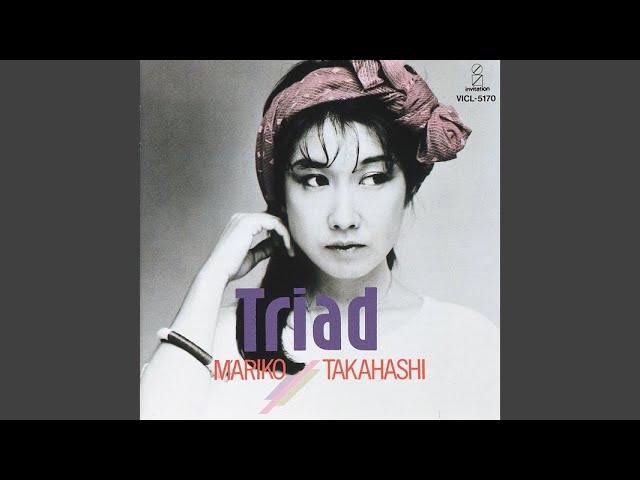
When it comes to iconic songs of the 1980s, this track is the one.
Its distinctive exotic atmosphere evokes the Mediterranean, and its alluring worldview—depicting the romance of a mature woman—is part of its charm.
Mariko Takahashi’s overwhelming vocal prowess further elevates the piece.
Released in May 1984, it was used in a commercial for Mitsuki’s “Camellia Diamond” and peaked at No.
4 on the Oricon weekly chart.
When singing it at karaoke, try leaning into the exotic vibe and fully expressing a sophisticated, adult allure.
younger boykyandīzu

With this song, Candies made their first appearance on the Red and White Song Battle (Kōhaku Uta Gassen).
Even today, it’s a song that idols sometimes perform on music programs.
There are many videos for people who want to practice the cute choreography.
It’s also a song that many idols have released cover versions of.