

[Piano Pieces] Easy for Children to Play! A Roundup of Simple Classical Works


One of the reasons children who have just started piano lessons lose interest is that they begin to feel, “Piano is hard…” If reading music is difficult and practice doesn’t progress, or if their fingers don’t move the way they want and they can’t get a passing mark from the teacher, they tend to develop negative feelings toward the piano they started with such excitement.
In this article, we’ll introduce easy classical pieces that are approachable even for children.
There are always individual differences in how difficult something feels and how quickly one progresses, but please pick pieces that suit your child so they can feel, “Piano is fun!”
- [For Elementary School Students] Brilliant, Showy Masterpieces That Sound Impressive at Piano Recitals
- [Beginner] Recommended Piano Pieces to Play at a Recital
- [For Piano Recitals] Simple yet Cool Classical Pieces
- For Beginners: Easy to Play and Sounds Impressive! Pieces That Shine at Piano Recitals
- [For Kids] Play Piano with One Finger! Recommended Songs Collection
- [Classical Music] All pieces under 3 minutes! A collection of short and cool piano pieces
- Disney Classics on Piano: A Curated Selection of Easy Pieces, Perfect for Recitals
- Piano Masterpieces: Surprisingly Easy Despite Sounding Difficult!? A Curated Selection Perfect for Recitals
- Beginner to Intermediate: Chopin pieces with relatively low difficulty. Recommended works by Chopin.
- Recommended for piano beginners! 10 sheet music picks that adults can enjoy too
- [Beginner] Also great for piano recitals! Classical pieces that look cool when you can play them
- Even beginners can play them easily on the piano! A curated selection of popular and latest J-POP songs.
- For Preschoolers to Elementary School Children: Challenging Piano Pieces — A Curated Selection from Competition Repertoire
[Piano Pieces] Easy Even for Kids! A Roundup of Simple Classical Works (91–100)
Brave SoldierCornelius Gurlitt

With a march-like, powerful rhythm that tickles a boy’s heart, this piece fills you with energy as you listen.
Featured on the album “Album for Children,” it captivates with its clear melody and the left hand’s steady, pulsing accompaniment.
Its resonant sound shines on stage, while offering ample joy in performance.
The right hand’s melody unfolds dramatically, firmly supported by the left hand’s rhythm—an ideal structure for practice.
Combining cool flair with sheer fun, this work is a perfect fit for boys learning the piano.
Chase the mysteryJuhara Ryoko

A piece characterized by a mysterious, thrilling atmosphere.
Its storyline-like structure, which unfolds gradually from a suspenseful introduction, creates a sense of immersion reminiscent of game or anime background music.
Though only about the difficulty level of completing Beyer, it skillfully weaves in rhythmic changes and harmonic progressions, resulting in a work that shines on stage.
Included in the album “Piano Land 5: Sing and Play with Your Teacher” and published by Ongaku No Tomo Sha in February 1992, this piece is beloved for allowing performers to express the music as if telling a story.
Highly recommended for those who want to perform at recitals or competitions.
With a powerful performance, it is sure to captivate the audience.
Variations in E-flat major, Op. 82, MWV U 158 — Theme: Andante assai espressivoFelix Mendelssohn

An elegant set of variations consisting of a theme and five variations.
Composed in July 1841, it bears the typical characteristics of the Romantic era while overflowing with profound emotional expression and delicate musicality.
The theme begins with a calm, expressively rich melody, followed by an ornamental first variation, a second variation characterized by harmonic changes, a lively third variation, and a quiet fourth variation.
In the fifth variation, the theme reappears, bringing the piece to a close with a beautiful afterglow.
With its approachable melody and a level of difficulty that can certainly be mastered through careful practice, this work is recommended for those who wish to explore Mendelssohn’s world or take on Romantic piano repertoire.
Songs Without Words, Book I, Op. 19, No. 4: A Secret ConversationFelix Mendelssohn

This is a gentle miniature whose calm, graceful melody seeps into the heart.
Written in 1830, the piece lets its melody flow as if singing, giving the impression of confiding a secret feeling to someone.
It’s approachable for anyone who can read music, built from a simple left-hand accompaniment and a richly expressive right-hand melody.
Its charm lies in a slow tempo that unfolds like storytelling, and despite having no lyrics, it carries abundant emotional expression.
It’s an excellent choice for those who wish to savor the elegance of Romantic music or refine their expressive touch.
Why not take your time, enjoy the tranquil passage of time, and practice it with care?
Songs Without Words, Book II, Op. 30, No. 1: MeditationFelix Mendelssohn
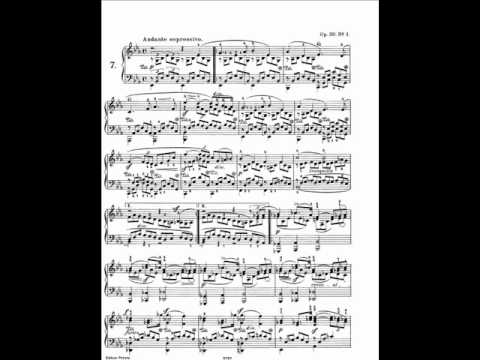
This work, notable for its slow and gentle melody in E-flat major, is one of the pieces from the Songs Without Words published in Bonn in May 1835.
Evoking the atmosphere of quiet meditation, it combines rich lyricism with relatively modest technical demands.
Cast in ternary form, it features a coherent structure and simple yet profound emotional expression, making it a valuable teaching piece for developing a pianist’s expressiveness.
It is an ideal choice for those looking to broaden their repertoire or seeking a calm, reflective piece.
Livia Rév’s 1986 recording received France’s Grand Prix du Disque and is highly acclaimed for its delicate interpretation.
“Butterflies,” Op. 2, No. 12: “Final Scene and the Returning Brothers”Robert Schumann

The twelfth piece, the finale of Robert Schumann’s Op.
2 Papillons, is an elegant miniature depicting the end of a masquerade ball.
Published in 1831, it delicately portrays the ball’s conclusion and the participants’ journey home.
Light yet sentimental in atmosphere, it is notable for its quotation of the traditional “Grandfather’s Dance” melody.
In the closing measures, the sound gradually fades, evoking the image of the ballroom lights being extinguished one by one.
This piece is recommended for pianists who have mastered the basics and wish to explore the rich expressiveness of the Romantic era.
Savor Schumann’s poetic world while cherishing the music’s narrative quality.
“Butterflies,” Op. 2, No. 3: “Waltz”Robert Schumann

From Robert Schumann’s early collection Papillons, Op.
2, I would like to introduce No.
3, “Waltz,” written in E-flat major.
Completed in 1831, this piece was inspired by the masquerade scene in Jean Paul’s novel Flegeljahre.
It features a light, lively rhythm and brilliant melodies, vividly evoking the atmosphere of a ball.
Schumann’s poetic and delicate expressiveness shines through, and it is a piece approachable even for beginner pianists.
Recommended for those who wish to enjoy the fusion of literature and music, or to experience Schumann’s characteristically warm Romantic style, this work remains an important part of the classical repertoire and continues to be loved by many pianists today.