

Solo indoor play ideas for elementary school kids: a collection to turn boredom into fun time


Wondering how to spend all that free time? For elementary school kids, discovering their own hobbies and ways to play is an important part of growing up.
With activities they can enjoy quietly indoors, even a boring rainy day can turn into something special! Here, we’ll introduce fun indoor activities like jigsaw puzzles and scratch art that can nurture children’s interests and talents.
They might even discover a new hobby or skill they can get totally absorbed in on their own!
Solo indoor play ideas for elementary school kids! A collection of boredom-busters that turn free time into fun (1–10)
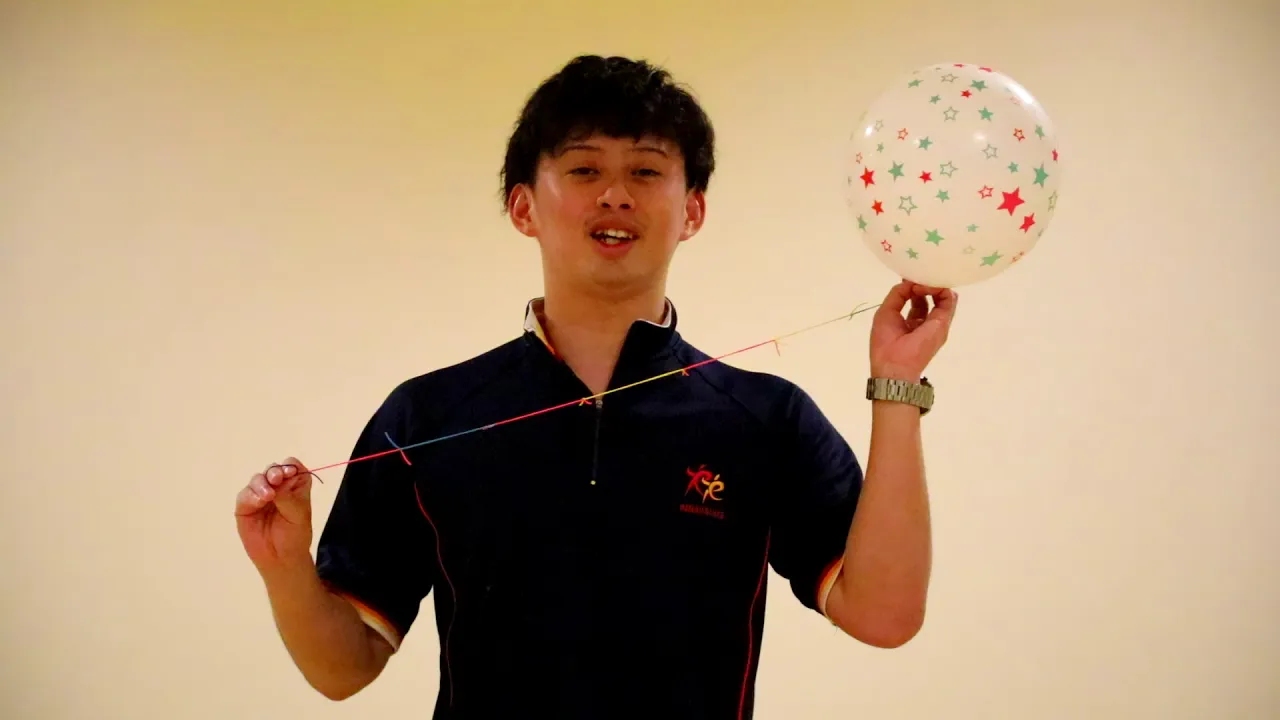
Make and Play! Solo Balloon Volleyball

Balloon Volleyball is a game kids can play on their own using a balloon and a rubber band.
It’s fun indoors not only for elementary schoolers but also for younger children.
For example, by connecting balloons with a rubber band, kids can tap or return incoming balloons gently, which helps them control their strength and play safely.
Watching the balloon float softly and chasing it slowly also naturally nurtures focus and a sense of timing.
You can even try kicking it like in soccer—simple tweaks make it a game you can enjoy over and over.
It’s perfect for indoor play, so give it a try!

Let’s try making a tangram

Here’s an idea for making a handmade tangram, a puzzle that’s popular with children.
There are many store-bought options, but you can make one yourself if you have construction paper.
Creating it on your own also leads to discoveries about numbers.
Tangrams let you freely choose colors and shapes while having fun, and they nurture creativity and spatial awareness.
As kids cut out the pieces and arrange them, they naturally develop fine motor skills and concentration.
Completing a figure or making an original design gives them a sense of accomplishment and boosts their confidence.
A handmade tangram isn’t just a toy—it becomes a warm, enriching experience that supports children’s intellectual and emotional growth.
Traditional playground games techniques

Kendama and spinning tops may seem difficult at first, but when you keep trying and finally succeed, you’ll feel a real sense of “I did it!” As you practice, you steadily develop fine finger movements, body balance, and hand-eye timing—that’s a key benefit.
Focusing while you play also nurtures perseverance and a never-give-up attitude.
If you practice and show off your tricks with friends or family, their “That’s awesome!” will give you courage and confidence.
These toys help both mind and body grow while having fun, so give them a try!
Rubik’s Cube

A game that feels like puzzle magic: twisting a Rubik’s Cube to make all six faces match.
Each time the colorful faces line up perfectly, it steadily builds your thinking and concentration.
The joy of “I made it this far!” leads to confidence.
By learning the sequences and moves, you also boost your planning skills and memory.
If you play by racing the clock with friends or family, you’ll discover the fun of cooperating and cheering each other on.
Start with just one face—repeat small challenges and enjoy playing!
cute ice cream
https://www.instagram.com/reel/Cv2ErEXAgzP/Here’s how to make a cute treat that even elementary school kids can make! It’s an easy homemade ice pop.
First, prepare your favorite ice pop molds, like the ones sold at 100-yen shops.
Mix one snack-sized yogurt cup with 1 teaspoon of honey.
Pour the mixture into the molds and freeze—your ice pops are ready! If you used animal-shaped molds, you can draw faces using bamboo charcoal powder mixed with a little water.
You can also use a chocolate pen, but it tends to harden and can be hard to draw with.
You can leave out the honey for a less sweet version, so try different flavors and have fun experimenting!
Programming

Programming, which became a compulsory subject in elementary schools in 2020, is also perfect as a solo activity.
Kids can recreate what they learned at school at home or make simple original games, offering a sense of accomplishment and fulfillment that other activities can’t match—so it’s highly recommended.
While adults may find programming intimidating and hard to approach, children, who absorb new things quickly, can learn while having fun and may become completely engaged.
Plus, beyond solo play, having your child teach you can turn it into meaningful family time, so give it a try.

Ball games you can play alone

Here are five ball games you can play by yourself! First: kick the ball yourself, run, and pass it through your legs.
You’ll use your head, too, as you think about how hard to kick.
Second: toss the ball up and pass it through your arms—moving your body is the key.
Third: balance one ball on top of another and keep it still.
Fourth: hold the ball above your head, bend your body backward, pass it through your legs, and catch it—great for flexibility.
Finally, a game using a hula hoop: while the hoop is spinning, move the ball.
You don’t need to throw or kick hard to have fun with any of these, so give them a try!